Global ExpeditionsPeak Performance Series Nepal

Everest Peak Performance

Accelerated. Smart. Real.

35 days Group: Maximum 4 climbers per team $140,000 per person

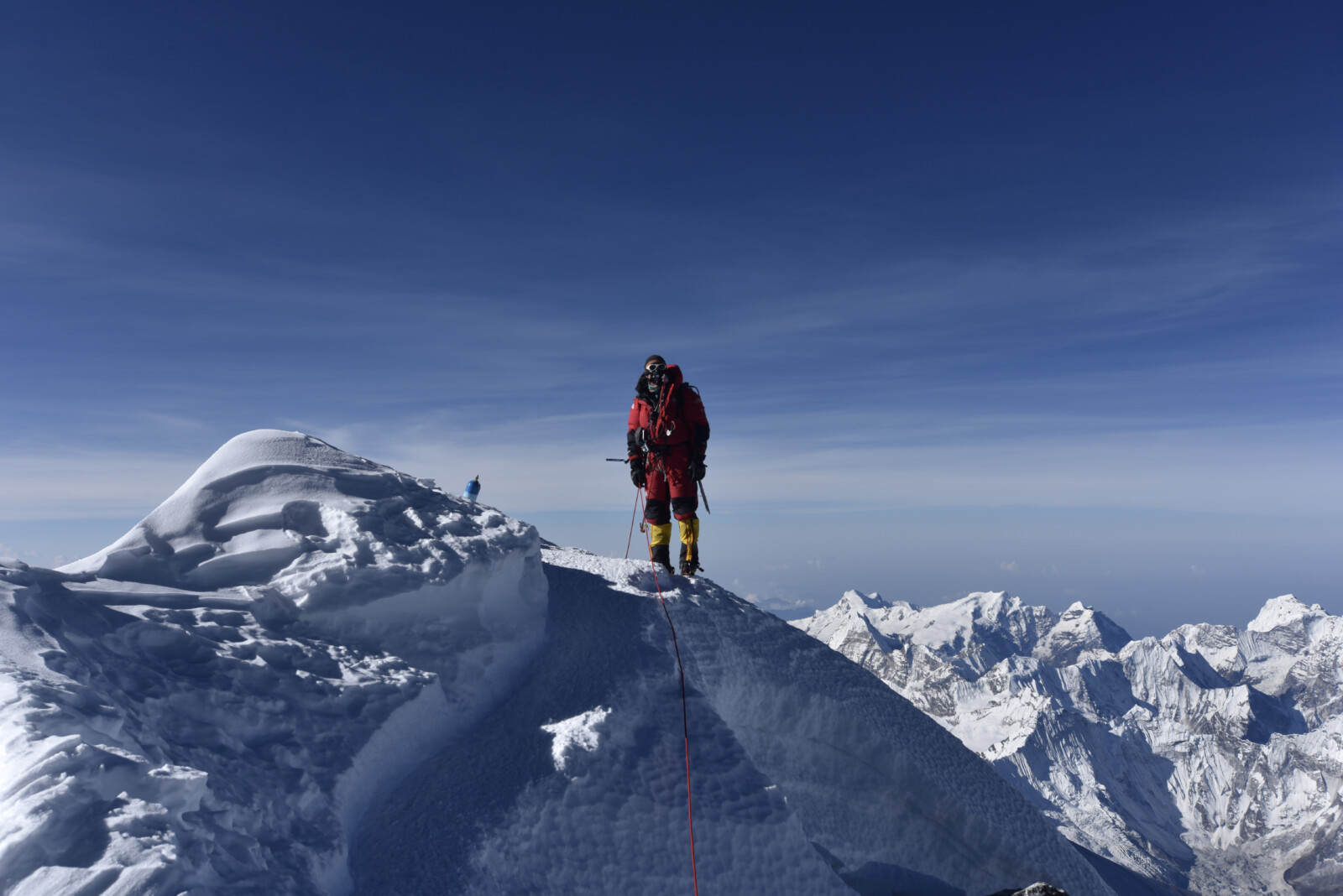
At Benegas Brothers Expeditions, Everest is more than a summit — it’s the ultimate expression of preparation and purpose. Our 35-day Peak Performance Expedition blends decades of Himalayan expertise with a modern, time-efficient approach: small teams, real acclimatization, and calm, precise leadership from Willie and Damian Benegas.

About This Expedition

The Everest Peak Performance Expedition represents the evolution of modern Himalayan climbing — where efficiency, preparation, and trust converge.

Built for climbers who value purpose over pace, this program rethinks every stage of a traditional Everest climb. You’ll gain real acclimatization by climbing Mera Peak (6,476 m), not just trekking. You’ll recover at Lukla, where rest and readiness replace fatigue. Then, you’ll move directly into the Khumbu, arriving at Everest Base Camp truly prepared — focused, rested, and ready to perform.

With a maximum of four climbers, each paired 1:1 with a personal Sherpa, and guided personally by Willie or Damian Benegas, this is a finely tuned, small-team approach — one that values communication, professionalism, and genuine experience at altitude.

This expedition is not about speed — it’s about bringing everything together: preparation, experience, logistics, and teamwork. Every decision, every ascent, every rest day is designed to align at the perfect moment — so when the time comes to climb, the entire system works in harmony.

Pre-Acclimatization Program

Preparation for Everest begins long before arriving in Nepal. All climbers in our Peak Performance program receive a personalized pre-acclimatization plan utilizing Hypoxico altitude simulation systems, designed to safely stimulate red blood cell production and improve oxygen efficiency weeks before departure.

This program is fully supported by Willie and Damian Benegas, who monitor your progress, and by our expedition physician, Dr. Bernabé Abramor, a high-altitude medical specialist with years of field experience in the Andes and Himalaya.

By combining this science-based preparation with real climbing adaptation on Mera Peak, you’ll arrive at Everest Base Camp stronger, safer, and physiologically ready — maximizing summit potential and minimizing risk.

Pre-Acclimatization Overview

Science-Based Preparation — Weeks Before Departure

Our Everest Peak Performance climbers begin altitude adaptation before ever leaving home.

  • Hypoxico Altitude Systems: Each participant trains with a personalized Hypoxico program to safely build red-blood-cell density and oxygen efficiency over 4–6 weeks prior to departure.
  • Expert Medical Oversight: Monitoring and guidance by Dr. Bernabé Abramor, high-altitude physician and long-time BBE medical advisor, ensuring safe progression and optimal physiological adaptation.
  • Direct Support from Willie & Damian Benegas: Regular check-ins, adjustment of training targets, and detailed review of acclimatization data to align readiness with expedition objectives.

The result: you arrive in Kathmandu already acclimatized, energized, and primed for high performance on Mera Peak and Everest.

The Benegas Brothers Difference

For over 25 years, Willie and Damian Benegas have defined professionalism and trust in high-altitude guiding. From the Andes to the Himalaya, their philosophy is simple: Small teams. Real preparation. Informed decision-making.

This is Everest redefined for modern climbers — where experience, efficiency, and authenticity come together.

Accelerated. Smart. Real.

35-Day Sample Itinerary

 Arrive Kathmandu – Yak & Yeti Hotel. Team briefing, gear checks, and logistics review.

Helicopter flight to Kothe (3,600 m) – begin pre-acclimatization trek. Easy hike and rest.

Gradual ascent to Thagnak (4,350 m) with glacier training and acclimatization hikes.

Climb to high camp and summit Mera Peak (6,476 m) – descend to Khare for recovery.

Morning helicopter flight from Mera to Lukla (2,860 m).Start recovery phase — afternoon rest, showers, hearty meals.

Full rest day in Lukla. Optional short hike, hydration, and gear prep for Everest.

Morning helicopter flight to Everest Base Camp (5,350 m).Settle into camp, orientation, and light acclimatization walk.

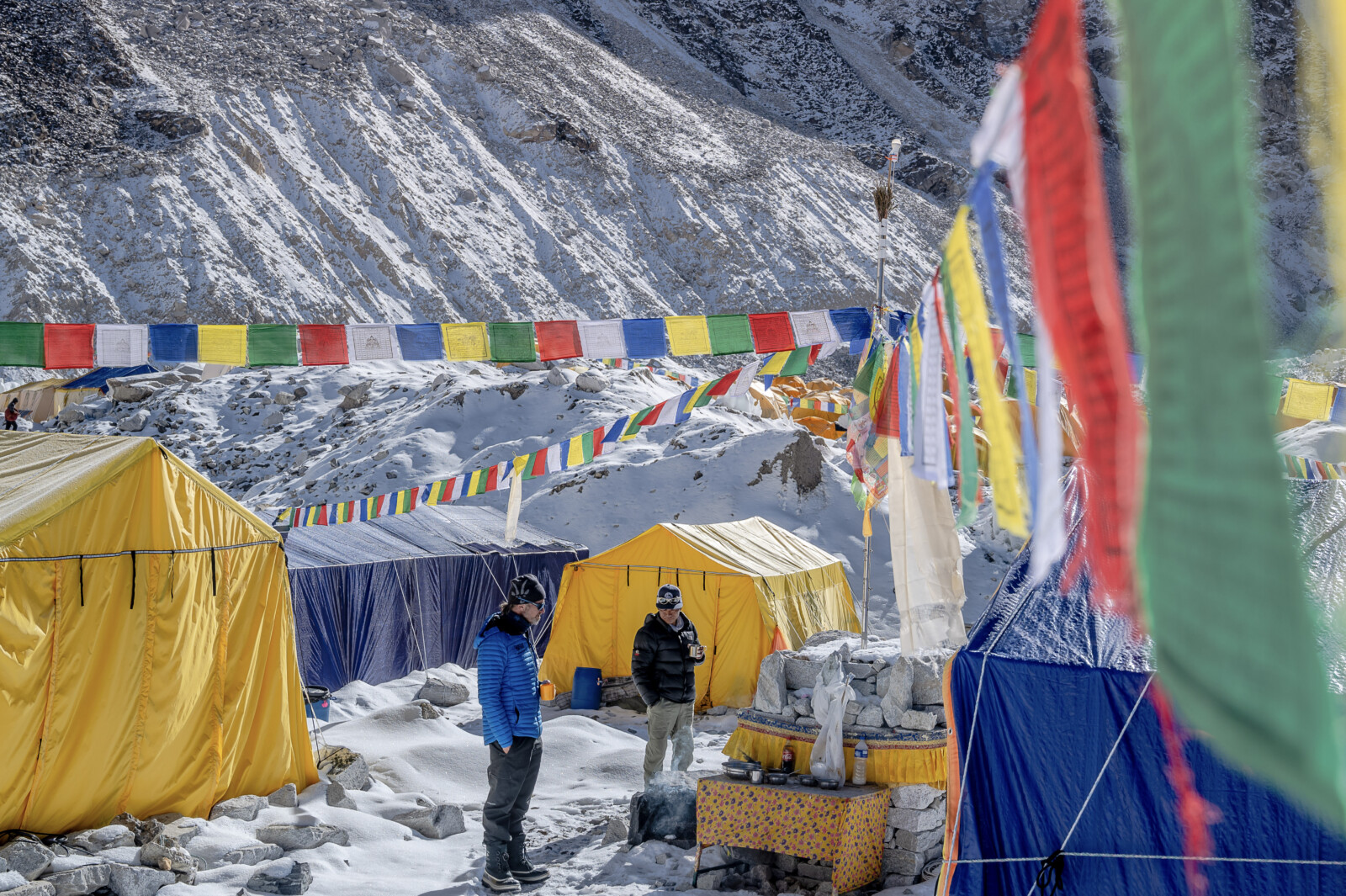
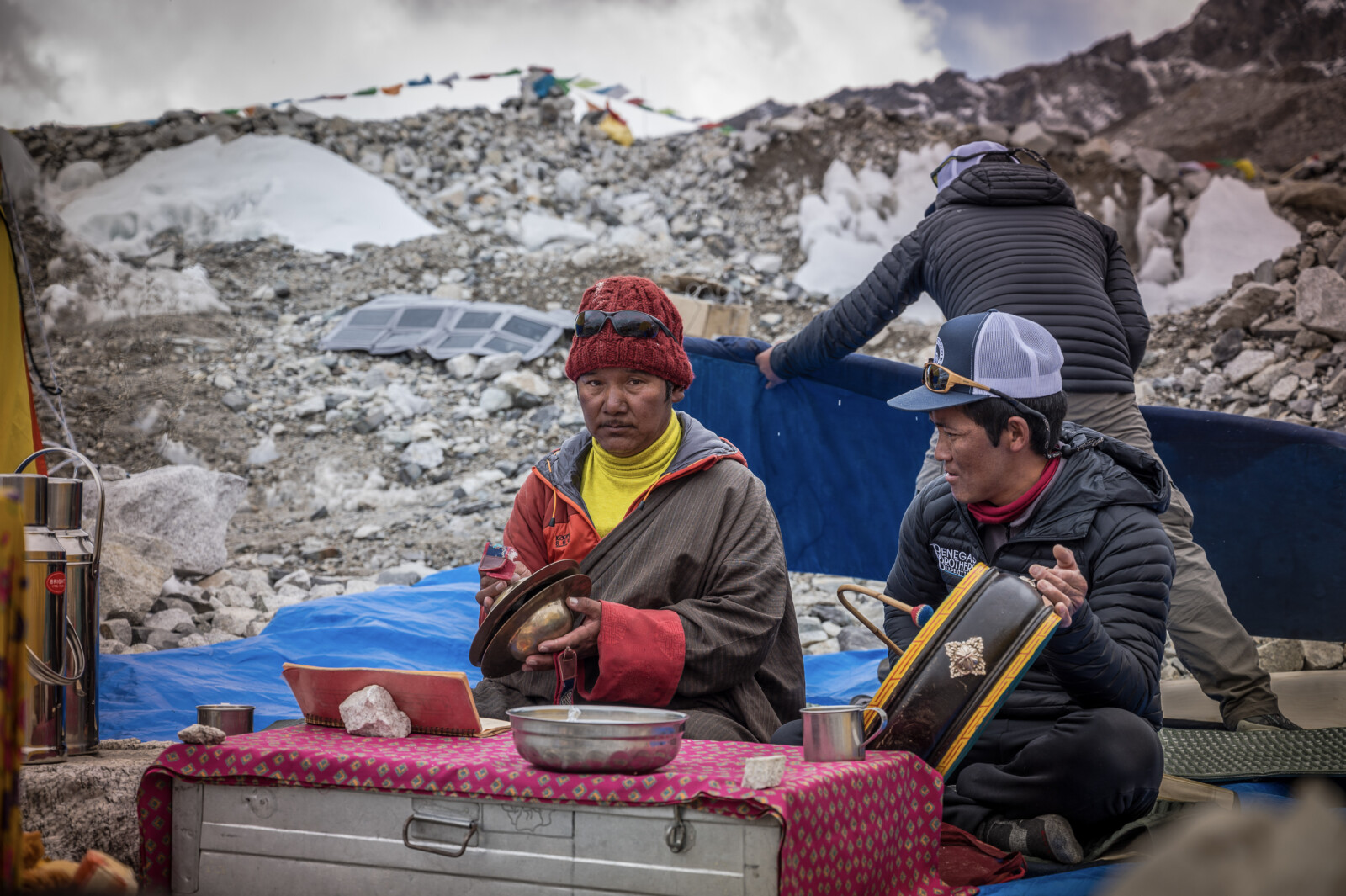
Active rest – Puja ceremony, glacier skills, and oxygen-system review.

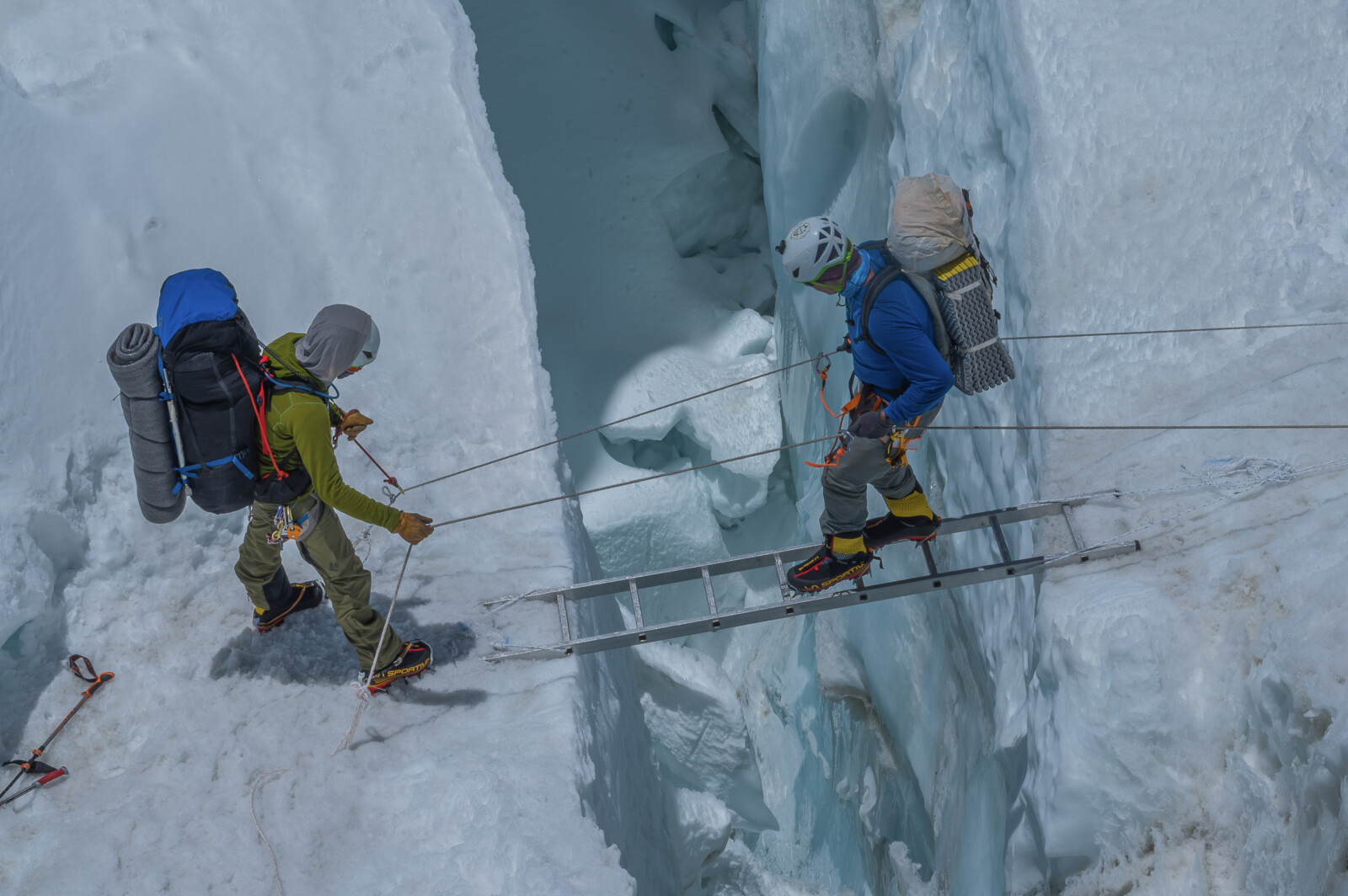
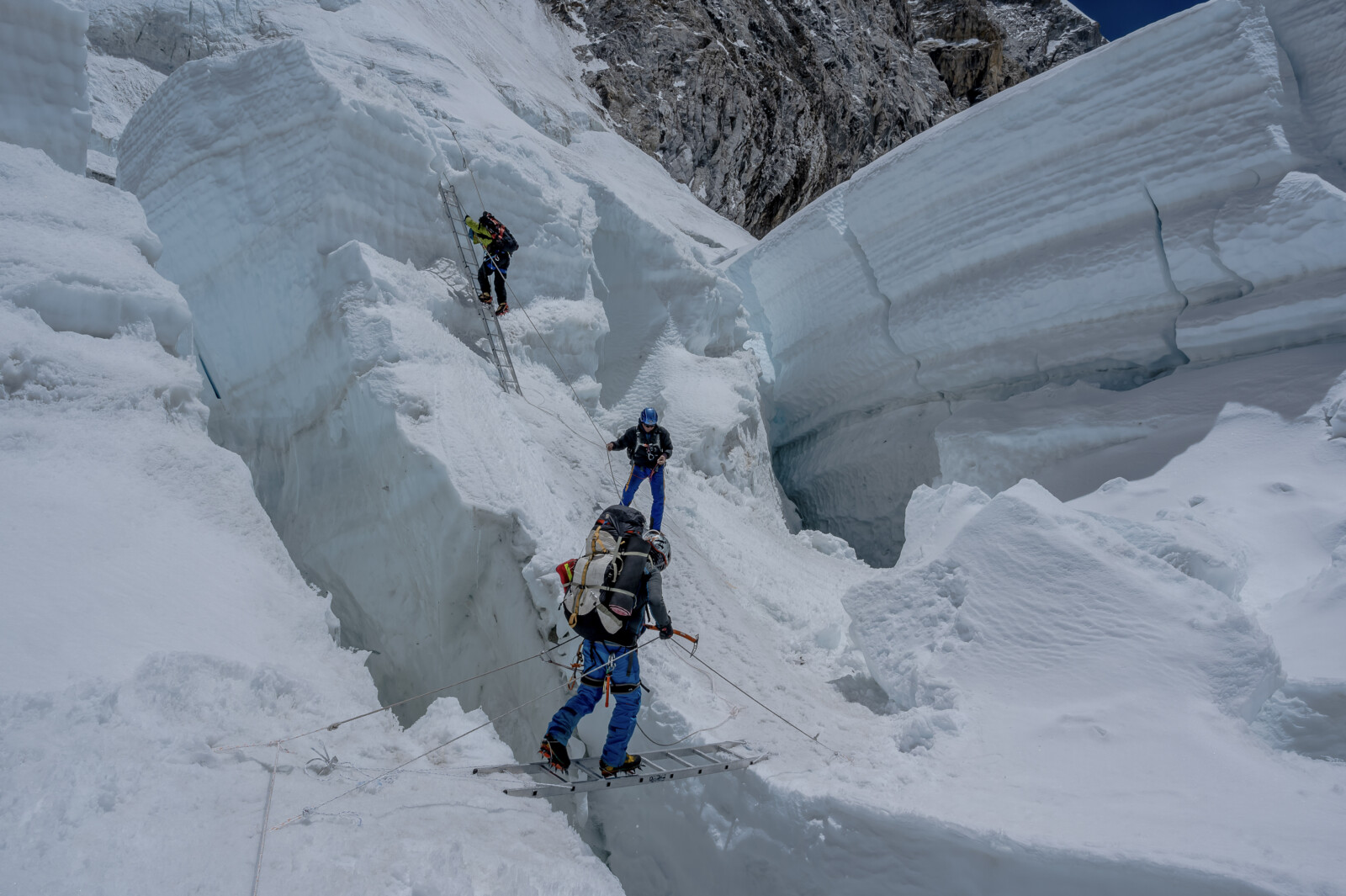
First rotation through Camp 1 (6,000 m) and Camp 2 (6,400 m) – sleep at C1, tag C2, and descend to EBC.

Recovery at EBC or optional heli descent to lower valley (Dingboche/Namche) and return.

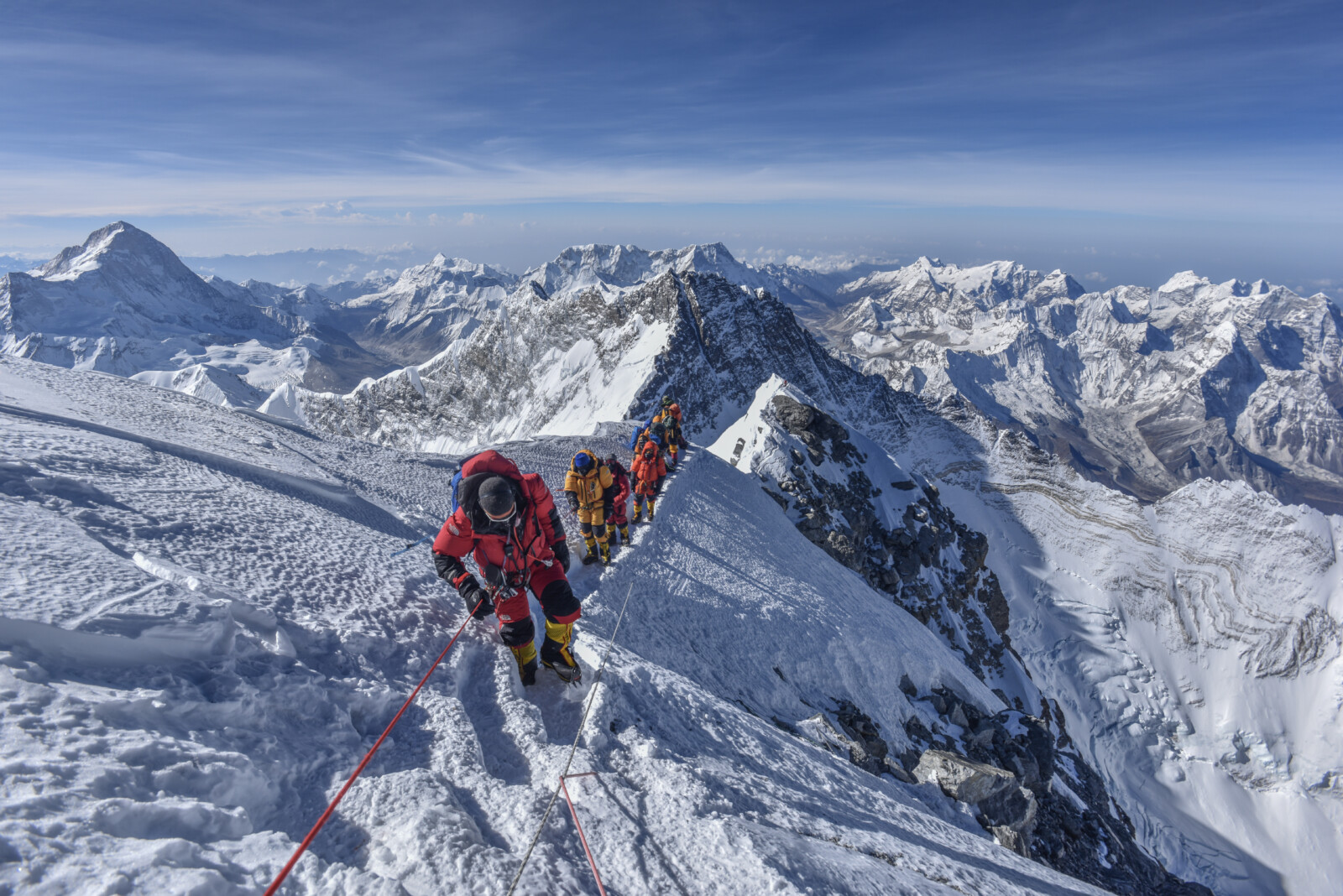
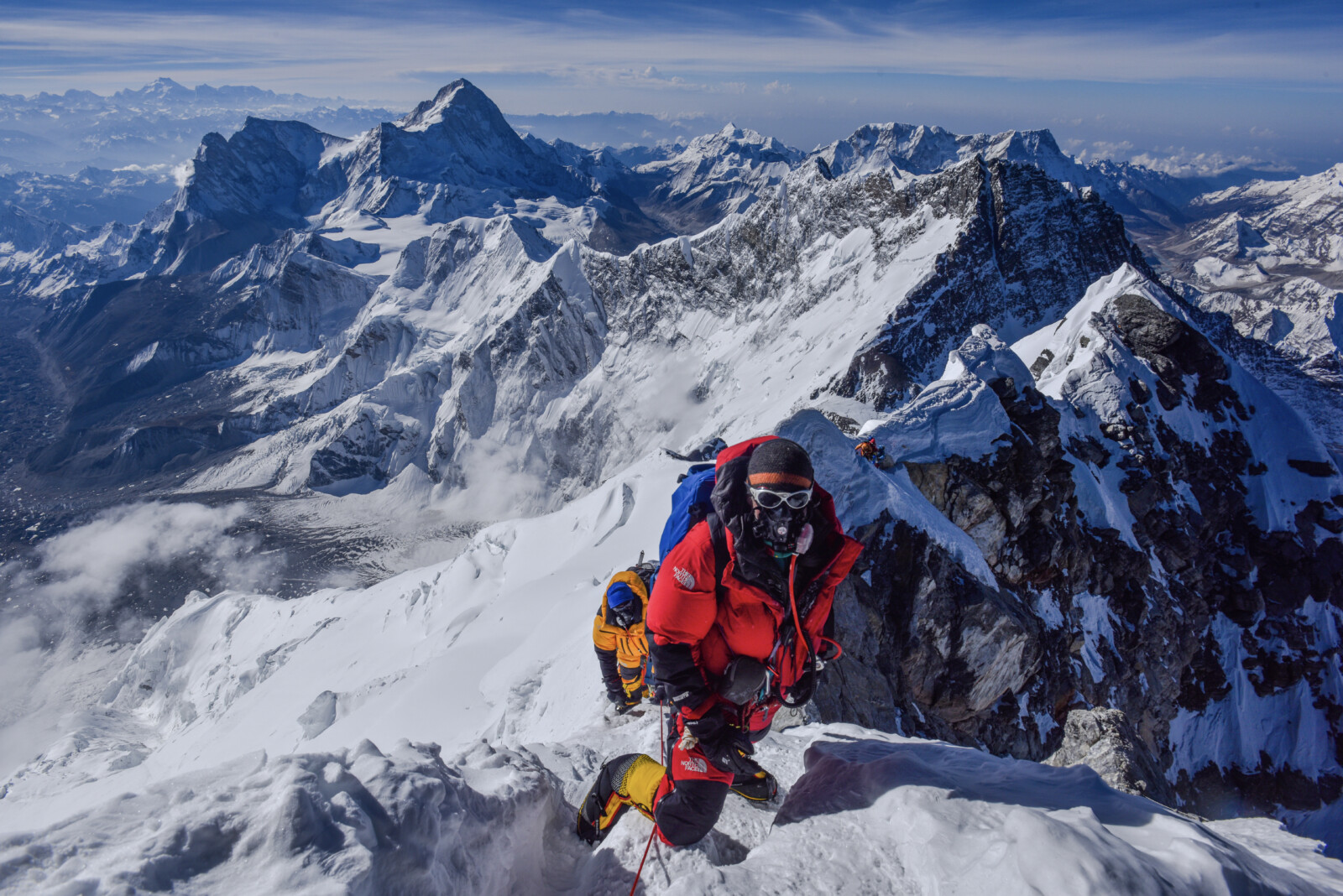
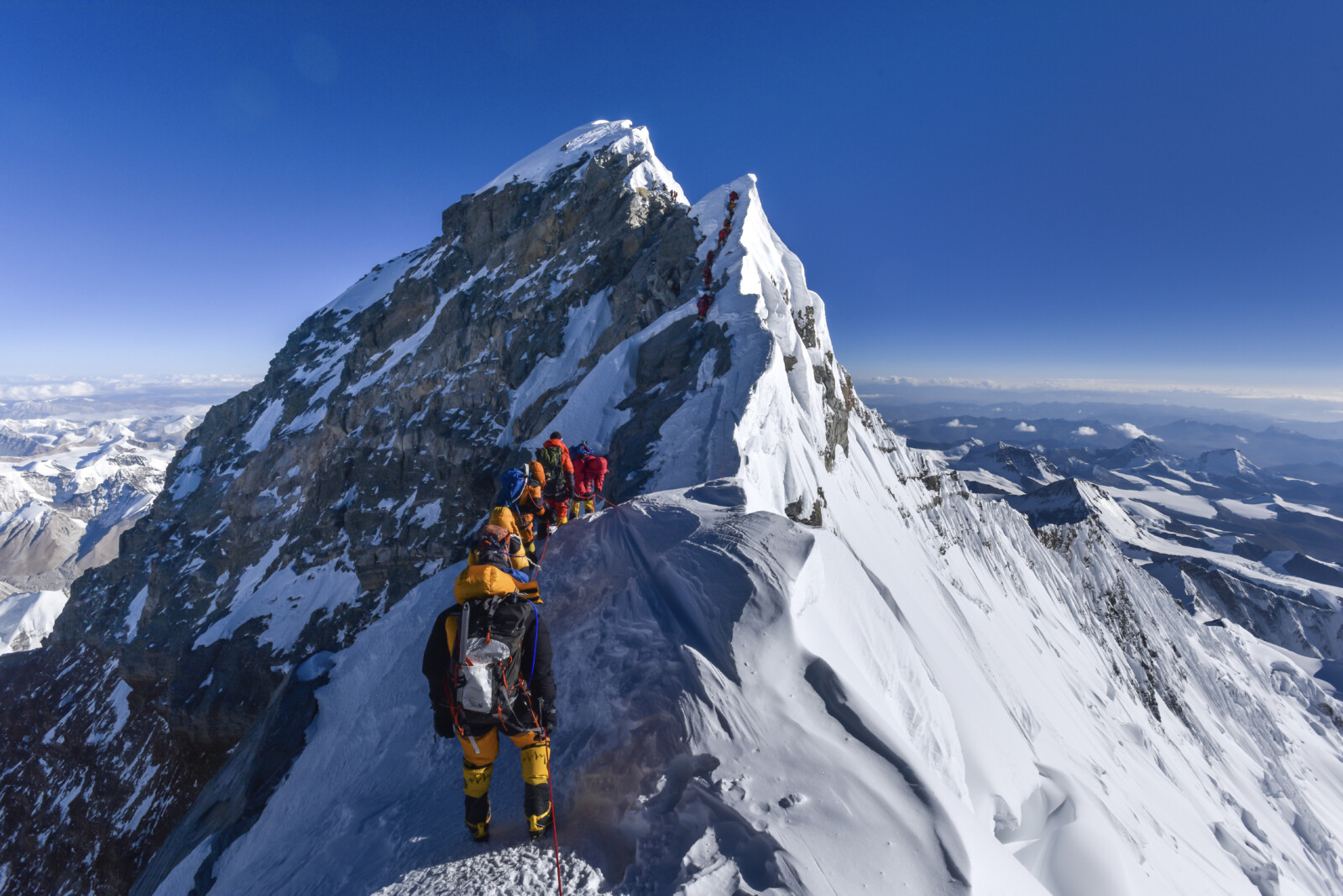
Summit phase – move through C1 → C2 → C3 → South Col → Summit Everest (8,848 m) → descend safely to EBC.

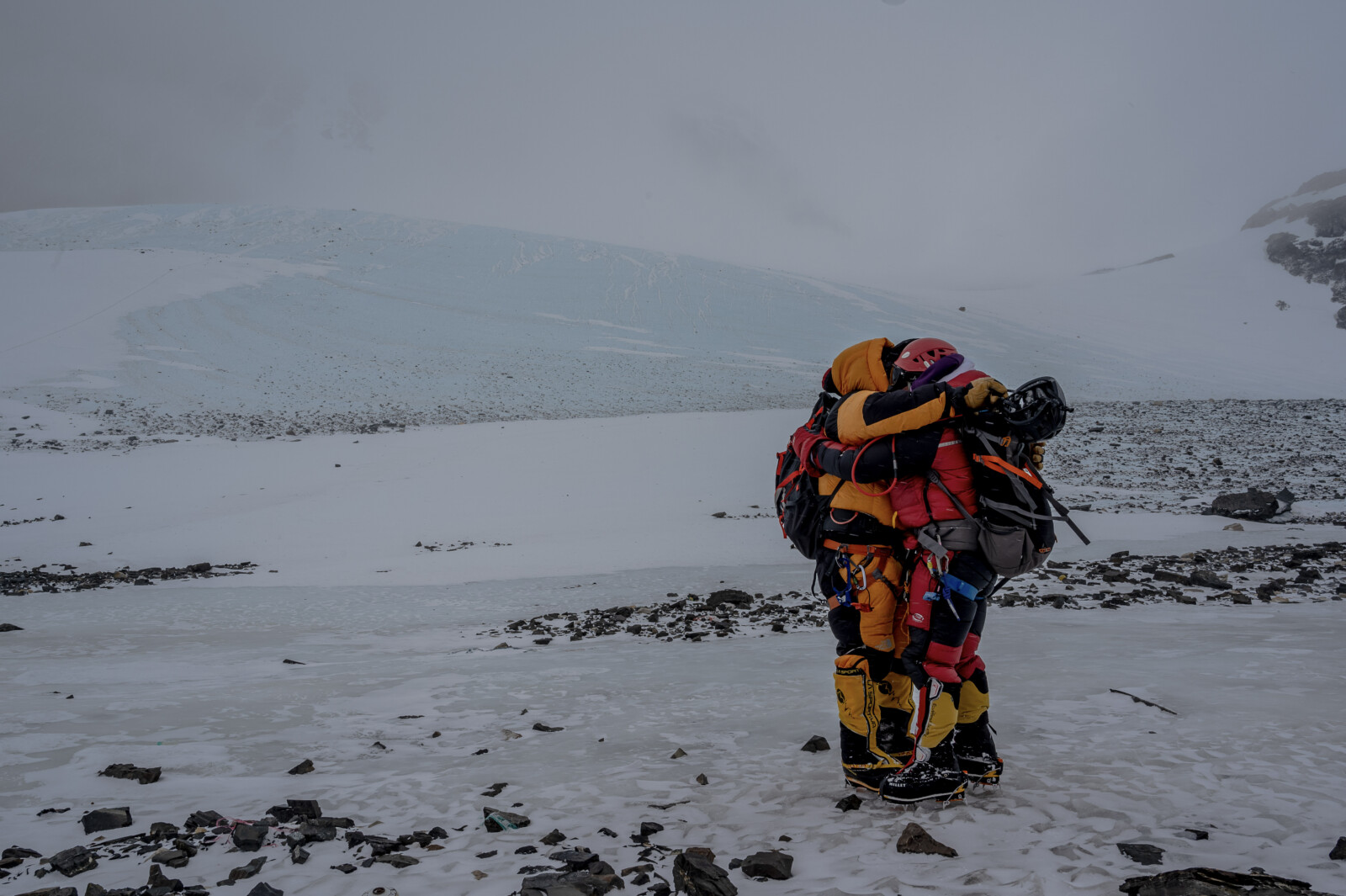
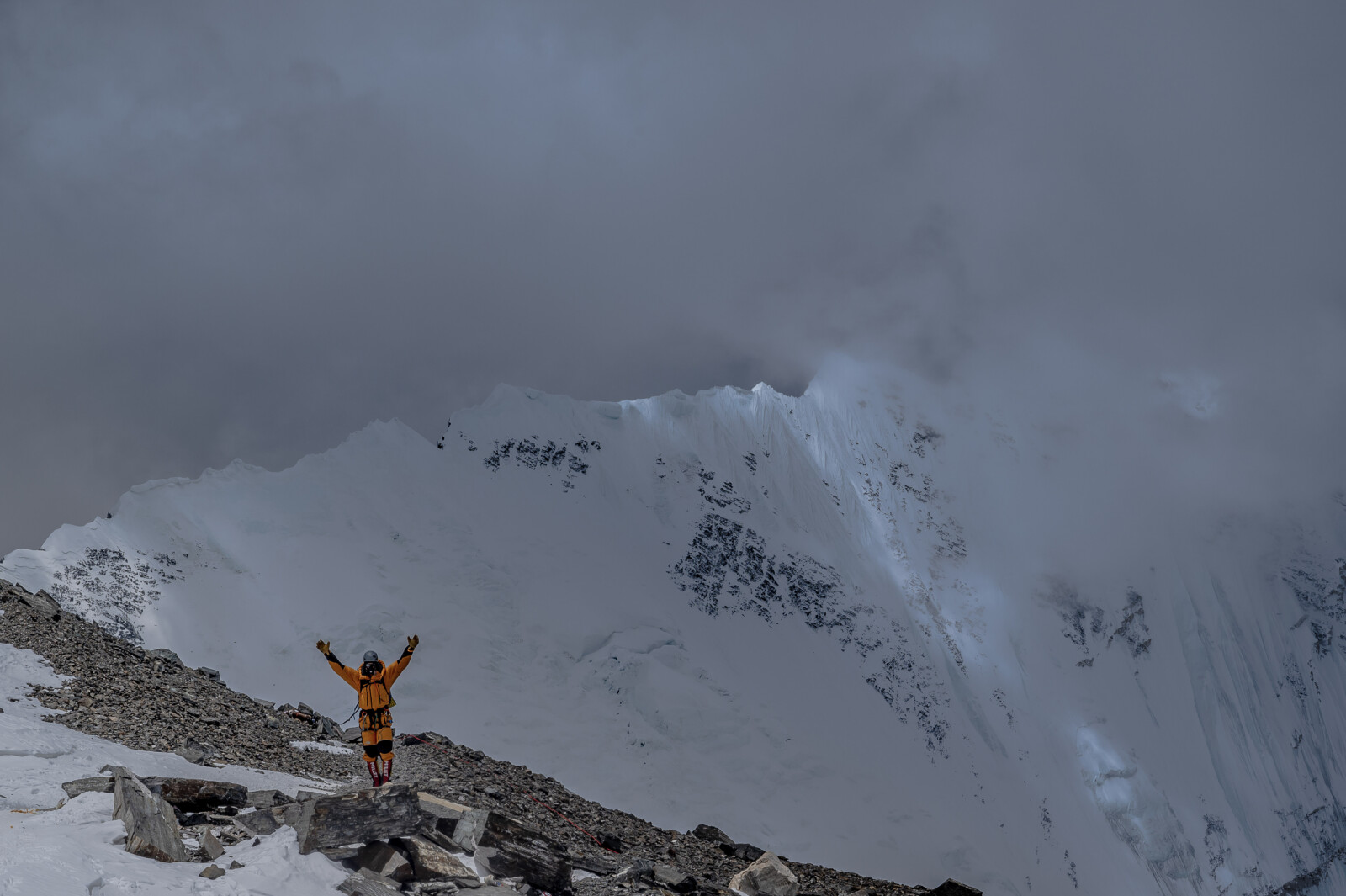
Contingency / celebration day. Helicopter flight back to Kathmandu.

Depart Kathmandu.

Who This Expedition Is For

This expedition is designed for experienced mountaineers ready to step into the highest level of expedition climbing — guided by professionals who know every detail of Everest from decades of direct experience.

It’s for climbers who train with intention, who understand that success at 8,848 meters is built long before the summit push. It’s for those who want to move efficiently, climb responsibly, and be part of a true team environment — where trust, preparation, and communication come first.

Whether you’ve stood on Aconcagua, Denali, or high Andean peaks, the Everest Peak Performance Expedition offers the next progression — combining technical leadership, elite logistics, and human connection at the world’s highest level.

Climber Requirements

Fitness

Climbers must be in exceptional physical condition to join this expedition. High-altitude performance demands endurance, strength, and resilience — there is simply no substitute for consistent, structured training. We recommend a dedicated fitness program focused on long-duration aerobic output, loaded uphill travel, and core strength. Regular, challenging exercise for at least six months before departure is essential. Working with a personal trainer or altitude-specific coach (such as Uphill Athlete) is strongly advised to ensure you arrive fully prepared. Please contact us if you would like personalized training guidance from our team.

Technical Experience

Participants must be capable of climbing moderate alpine terrain on rock, ice, and snow while carrying a pack at altitude. You should be confident in fixed-rope travel, crampon and ice axe technique, and efficient movement in exposed environments. Previous ascents of multiple 6,000–7,000 m peaks are required, and prior experience on at least one high-altitude expedition such as Aconcagua, Denali, or Cho Oyu is highly recommended. All climber resumes are personally reviewed by Willie and Damian Benegas to ensure both team cohesion and individual readiness.

Altitude Experience

Climbers must demonstrate strong, proven performance at altitude and the ability to recover well during multi-day efforts above 6,000 m. Our Everest Peak Performance model is designed for experienced alpinists, not first-time high-altitude trekkers. Previous climbs to 7,000 m or higher provide critical experience in oxygen management, pacing, and recovery — essential skills for an 8,000 m ascent. Each climber’s experience is carefully reviewed by Willie, Damian, and Dr. Bernabé Abramor to ensure safety, compatibility, and readiness for high-altitude performance.

Preparation Timeline

Success on Everest begins months before setting foot in Nepal. Our Peak Performance approach combines structured training, altitude pre-acclimatization, and medical guidance to ensure every climber arrives physically and physiologically ready for the mountain.

6+ Months Before Departure – Build the Foundation

  • Begin a structured endurance and strength program focused on aerobic capacity, core stability, and leg endurance.
  • Include consistent back-to-back training days and long-duration hikes with a loaded pack.
  • If possible, climb or ski mountaineer at altitude to practice sustained movement on snow and mixed terrain.
  • Discuss your training plan with Willie or Damian Benegas for individualized feedback.

3–4 Months Before Departure – Transition to Performance Training

  • Increase weekly training volume, focusing on long climbs, weighted ascents, and recovery.
  • Integrate high-intensity sessions to simulate exertion at altitude.
  • Begin Hypoxico pre-acclimatization program under the guidance of Dr. Bernabé Abramor and the Benegas Brothers team.
  • Maintain consistent nutrition, hydration, and sleep routines to optimize adaptation.

1–2 Months Before Departure – Altitude Adaptation & Final Readiness

  • Continue your Hypoxico altitude sessions to achieve maximum acclimatization benefit.
  • Focus on recovery, mobility, and mental preparation — tapering volume but maintaining quality.
  • Conduct full gear checks and finalize expedition logistics with our support team.
  • Schedule a final readiness review with Willie or Damian to confirm acclimatization progress and fitness level.

2 Weeks Before Departure – Recovery & Travel Readiness

  • Allow your body to fully rest and stabilize red blood cell production before travel.
  • Maintain light activity and altitude simulation sessions as recommended by Dr. Bernabé.
  • Pack, review expedition protocols, and prepare mentally for the journey ahead.

At Departure

Arrive confident, well-prepared, and fully acclimatized — ready to climb Mera Peak and step into the Khumbu with energy, focus, and trust in the process.

The Peak Performance Expedition is purpose-built for elite alpinists who want a smarter, more efficient approach. Rather than the typical 55–65 day traditional expedition, our 35-day program uses Hypoxico pre-acclimatization at home combined with a real high-altitude climb on Mera Peak (6,476 m) to achieve superior physiological readiness before you ever set foot in the Khumbu. Add the helicopter efficiencies, the 1:1 Sherpa ratio, and the direct personal guidance of Willie or Damian Benegas, and the difference is profound.

The expedition is led personally by Willie or Damian Benegas — IFMGA/AAGM-certified high-altitude professionals with 30+ years of global guiding experience and multiple Everest summits. Medical oversight is provided by Dr. Bernabé Abramor, a high-altitude specialist with extensive Himalayan and Andean field experience.

This expedition is strictly limited to four climbers. This intentional constraint ensures every climber receives individualized attention, 1:1 Sherpa support, and direct access to guide leadership throughout the climb.

You must have documented high-altitude experience, including multiple summits on 6,000–7,000 m peaks and ideally at least one 8,000 m attempt (Cho Oyu, Aconcagua, Denali). Proficiency with fixed lines, crampons, and self-arrest is required. All resumes are reviewed individually by Willie, Damian, and Dr. Abramor.

Yes. A complete supplemental oxygen system — cylinders, regulators, and masks — is included in your expedition fee. Oxygen is managed by your personal Sherpa and monitored throughout the summit push.

Climbing Mera Peak (6,476 m) is fundamentally different from trekking to its base. The summit effort triggers true physiological acclimatization responses — increased red blood cell production, improved oxygen efficiency, and real-world experience with load-bearing movement at altitude. Combined with your Hypoxico home program, you arrive at Everest Base Camp in a state most climbers only reach after weeks on the mountain.

Experience requirements are assessed holistically. If you have a strong resume of multiple 6,000–7,000 m peaks with documented success and can demonstrate performance data from your Hypoxico program, your application will be considered. Contact us directly to discuss your background.

Final payment is due 120 days before departure. All prices are listed in U.S. dollars. Payment may be made by credit card, wire transfer, or check from a U.S. bank account. Cancellations and refund terms are detailed in the BBE Terms, Conditions & Cancellation Policy provided at registration. Contact us directly for full policy details.

Passport & Visa

A valid passport with at least six months of validity beyond your intended return date and at least two blank pages is required for entry into Nepal. Most international travelers can obtain a Nepal Tourist Visa on Arrival at Tribhuvan International Airport in Kathmandu. Visa fees in 2026 are USD $30 (15 days), USD $50 (30 days), or USD $125 (90 days). For a 35-day expedition, a 90-day visa is recommended to accommodate any contingency days. Indian nationals do not require a visa. Citizens of a small number of countries (Nigeria, Ghana, Zimbabwe, Cameroon, Ethiopia, Liberia, Somalia, Afghanistan, Iraq, Palestine, Syria) must apply in advance through a Nepalese diplomatic mission.

Travel & Evacuation Insurance

Comprehensive travel insurance is mandatory for this expedition. Your policy must include:

  • Coverage for mountaineering / high-altitude climbing to at least 8,849 m
  • Emergency helicopter evacuation and medical repatriation
  • Trip cancellation and interruption
  • Medical expenses including high-altitude illness (AMS, HACE, HAPE)

Standard travel insurance policies typically cap altitude coverage at 2,000–4,000 m and are not sufficient for Everest. Reputable providers used by Himalayan expeditions include Global Rescue, World Nomads Explorer Plan (covers to 6,000 m), and specialist mountaineering insurers. Confirm in writing with your insurer that your policy covers the summit altitude of 8,848 m and provides direct helicopter rescue billing — not just reimbursement. A copy of your insurance certificate and emergency contact number must be submitted to BBE prior to departure.

Climbing Permits

All climbing permits and government fees are included in your expedition investment. For reference, the Nepal Government Everest climbing permit for the spring season (April–May) is USD $15,000 per climber as of 2026 — a 36% increase from the previous rate, effective September 2025. Additional government fees include the Sagarmatha National Park entry permit, garbage deposit (refundable), and liaison officer fee. BBE manages all permit logistics on your behalf.

All climbers should plan to arrive in Kathmandu on Day 1 of the expedition. International flights to Kathmandu typically route through hubs including Dubai (Emirates), Doha (Qatar Airways), Delhi (Air India), Istanbul (Turkish Airlines), and Hong Kong. Book flights as early as possible — spring (March–May) is Nepal’s peak climbing season and seats fill quickly.

  • Allow a minimum buffer of one extra day in case of international flight delays — missing Day 1 briefing is not ideal.
  • Bring clean USD cash bills (Series 2013 or newer) for the visa on arrival and early expedition expenses. Nepalese bank counters reject worn or pre-2013 bills.
  • Extra luggage beyond your expedition kit can be stored securely at your Kathmandu hotel.
  • Your BBE team will coordinate all in-country logistics — airport transfers, hotel check-in, briefing schedules, and onward helicopter flights.

Your expedition begins and ends at the Yak & Yeti Hotel in Kathmandu — one of Nepal’s most iconic five-star properties, renowned for its service, comfort, and central location.

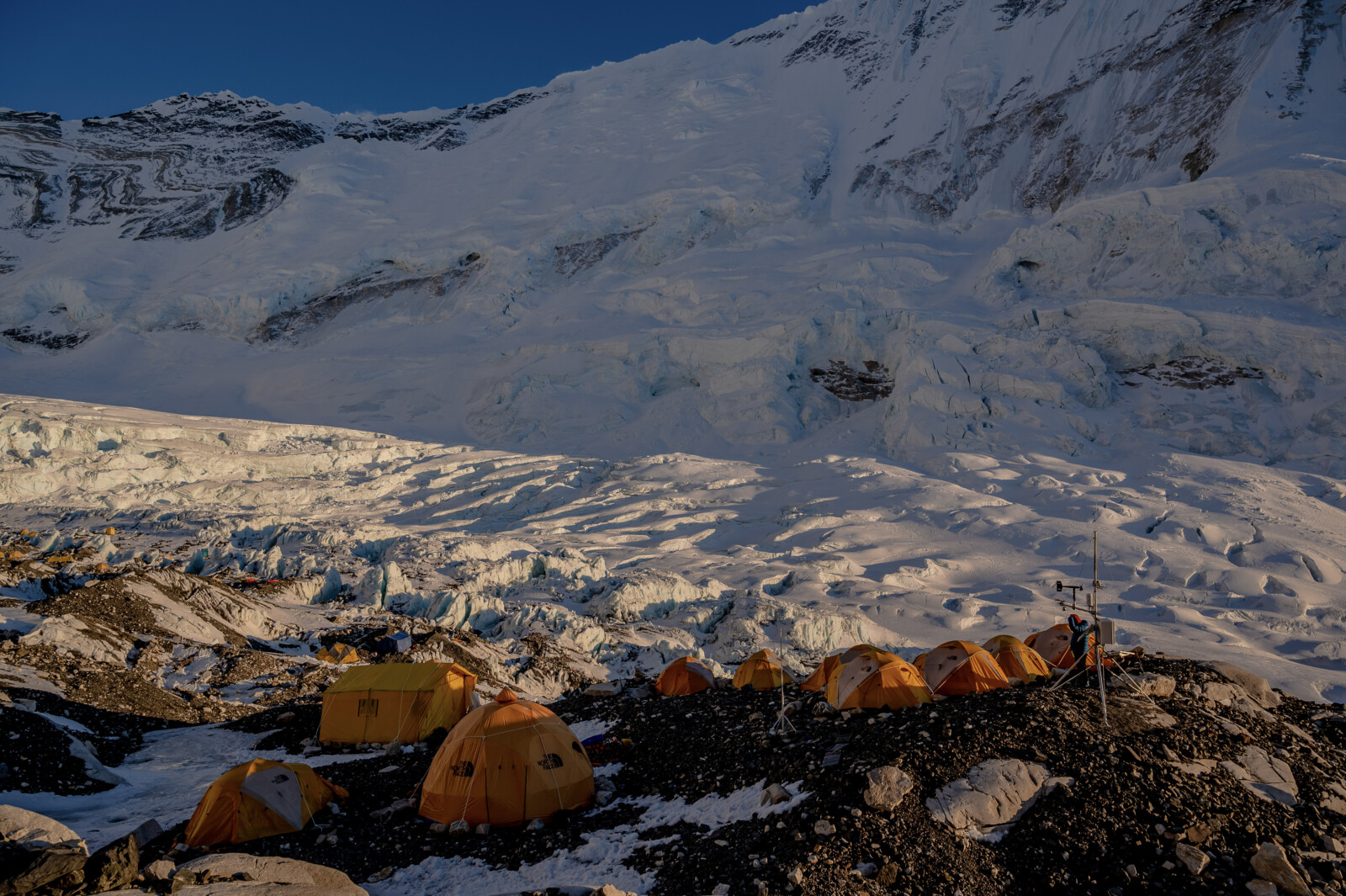
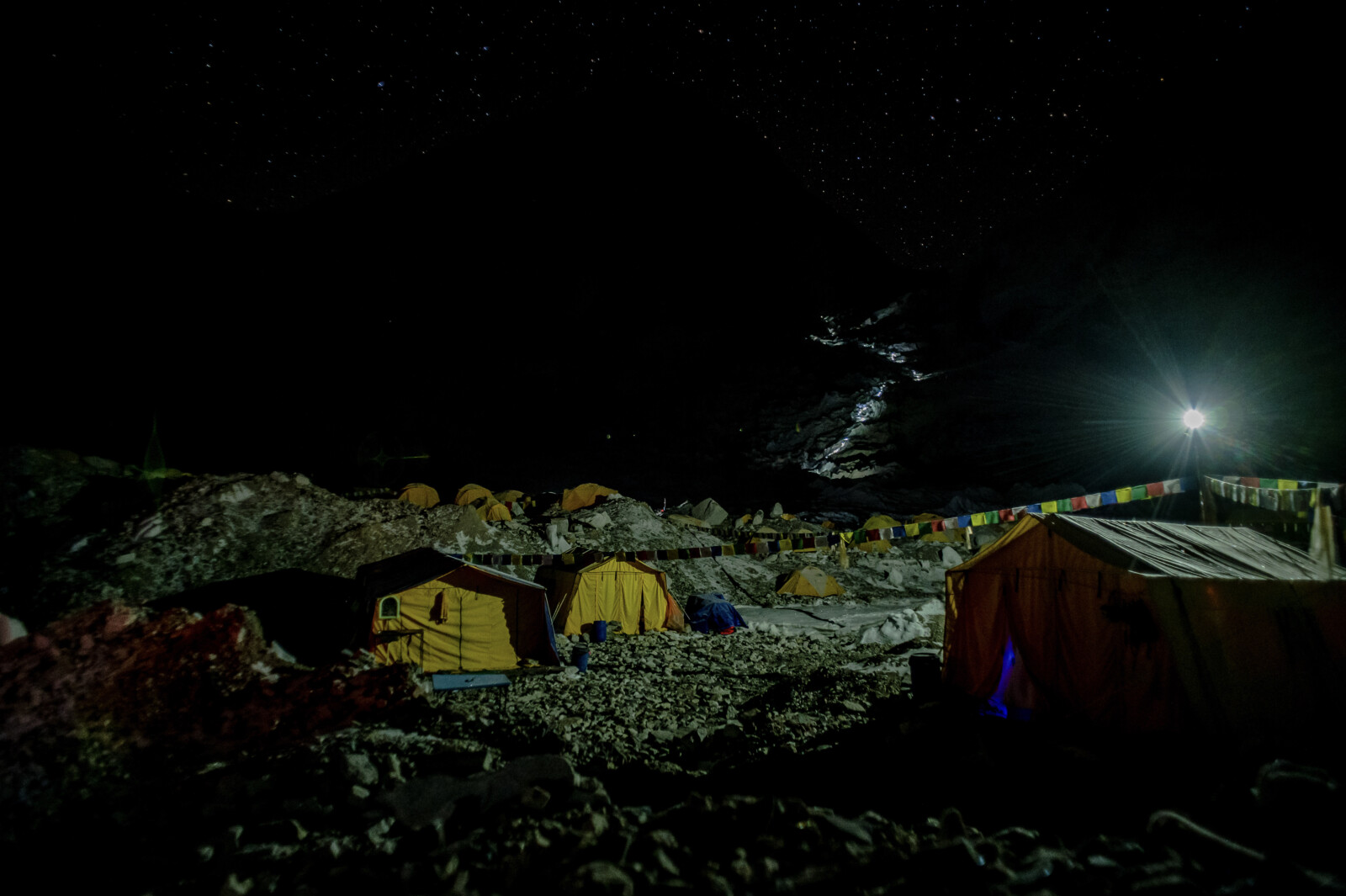
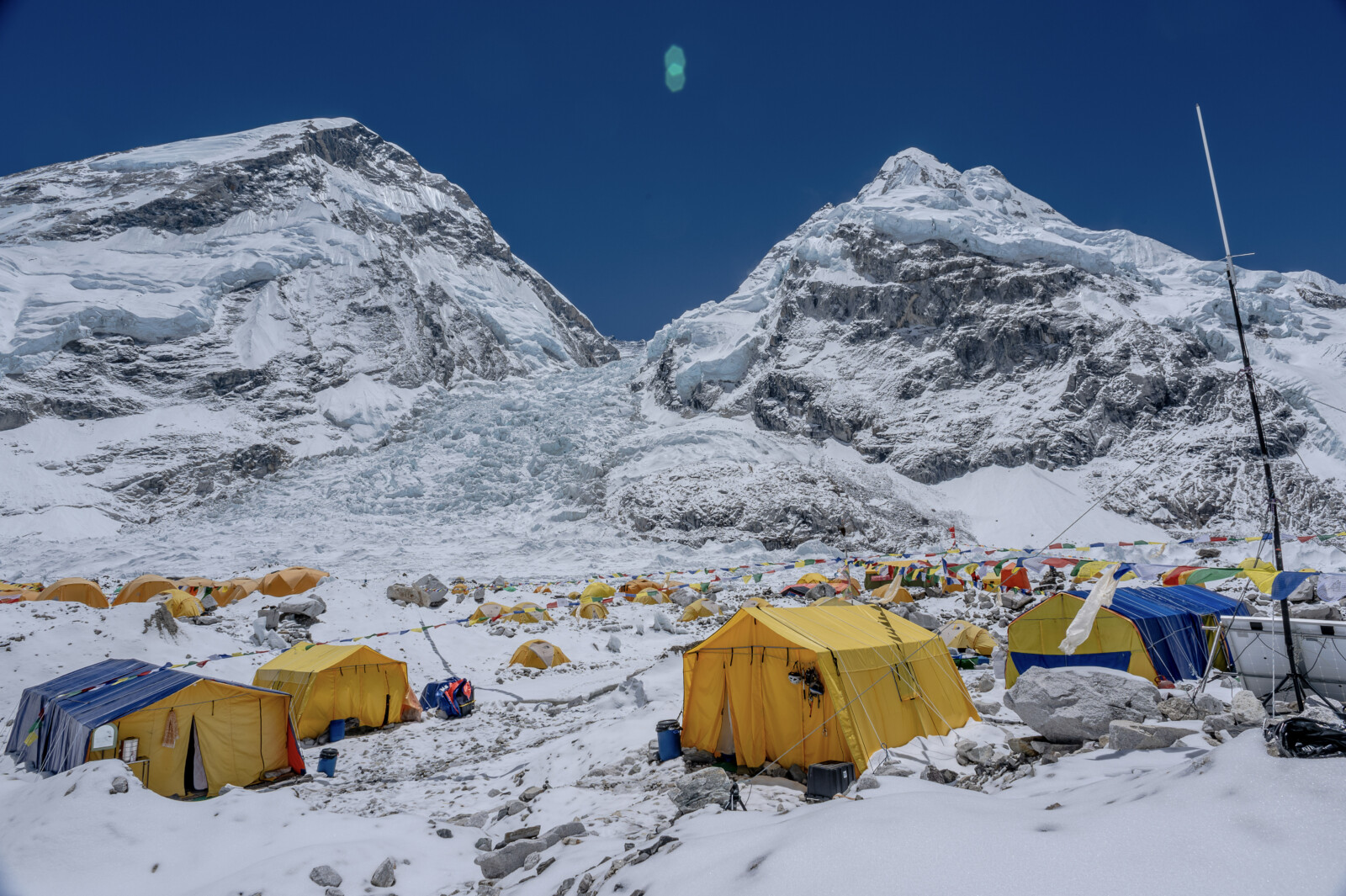
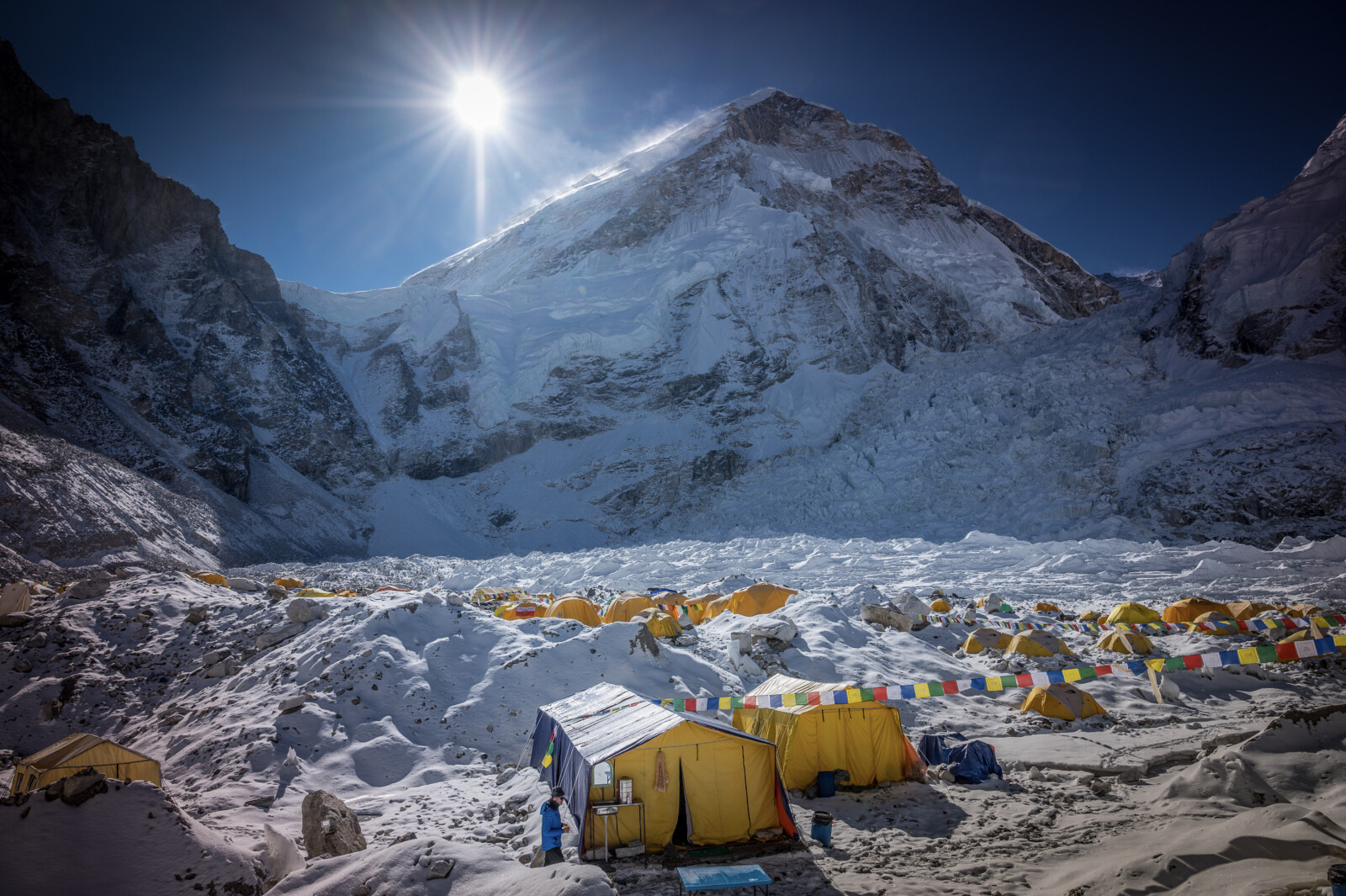
During the expedition itself, accommodation is provided at Everest Base Camp (5,350 m) in BBE’s premium private tent infrastructure, including a heated dining dome, medical tent, and individual sleeping tents. At Lukla, two full recovery nights are included in lodge accommodation with hot showers and warm meals. All pre- and post-expedition Kathmandu nights are included in your expedition fee.


The following equipment is included in your expedition fee:

  • Complete supplemental oxygen system: cylinders, regulators, and masks
  • All high-altitude camp infrastructure: tents, cooking systems, communications
  • Hypoxico altitude training equipment provided for your pre-departure acclimatization program


Climbers are responsible for supplying their own personal gear. Required items include:

  • High-altitude mountaineering boots rated for 8,000 m (e.g., La Sportiva Olympus Mons, Scarpa Phantom 8000)
  • Down suit / expedition down jacket rated to extreme cold (e.g., Mountain Hardwear Absolute Zero, Rab Neutrino Endurance)
  • Sleeping bag rated to -40°C / -40°F for high camps
  • Insulated gloves and overmitts; balaclava; goggles; sun protection
  • Crampons and ice axe compatible with your boots; jumar/ascender; harness; helmet
  • Trekking poles; daypack (25–30L); duffel bag for porters
  • Headlamp with spare batteries; GPS device or watch with altimeter
  • Personal first aid kit: blister care, pain relief, Diamox (altitude medication), hand sanitizer, sunscreen SPF 50+


Most personal gear can be purchased or rented in Kathmandu’s Thamel district. We recommend purchasing boots and high-altitude footwear at home for a proper fit — feet can swell by a full size or more at altitude. BBE will provide a detailed personal gear list upon registration.

Life at Everest Base Camp is demanding but rewarding. Here’s what to expect:

Meals & Hydration

BBE’s premium Base Camp setup includes a heated dining dome with professional cooking staff. Three meals per day, snacks, and hot beverages are provided. Meals are designed to support high-altitude performance with adequate calories, carbohydrates, and protein. Special dietary needs (vegetarian, gluten-free) should be communicated during registration.

Hydration is critical at altitude. Expect to drink 3–5 liters of water per day during climbing days. Water filtration systems are available at Base Camp. During the approach via Lukla and the trekking phases, boiled water, filtered water, and electrolyte supplements are recommended.

Communications

BBE’s Base Camp includes satellite communications, weather monitoring systems, and medical equipment. You will have access to regular weather briefings from professional forecasting services.

Personal communication with home is possible via satellite Wi-Fi at Base Camp (provided by the expedition). Below Base Camp, mobile signal (NTC/Ncell) is available in lower villages such as Lukla and Namche Bazaar. Above Namche, connectivity becomes limited and slow. We recommend downloading offline maps and communicating check-in schedules with family before departure. For your personal peace of mind, a Garmin inReach or SPOT satellite messenger is strongly recommended for two-way messaging at all elevations.

Rest Days & Recovery

Rest and recovery are core components of this expedition — not afterthoughts. The program includes structured recovery at Lukla, optional descents to lower altitude during EBC rest phases, and deliberate spacing between rotations. Listen to your body and communicate with your guides.

Weather & Summit Windows

Everest’s spring climbing season runs from late April through late May. Summit windows are narrow and weather-dependent. BBE uses professional meteorological forecasting services to time all summit pushes. Patience and flexibility around the summit window are essential qualities in every climber.

our expedition fee covers nearly all costs during the trip. However, climbers should budget for the following personal/local expenses:

  • Nepal Tourist Visa: USD $50 (30 days) or $125 (90 days) — paid on arrival at Kathmandu airport in cash USD
  • International airfare to/from Kathmandu: typically USD $800–$1,800 depending on origin and booking timing
  • Personal gear purchases or rentals in Kathmandu (Thamel district)
  • Beverages, snacks, and personal items purchased independently in Kathmandu or on the trail
  • Wi-Fi / data cards along the trail (if needed beyond Base Camp satellite coverage): approx. USD $2–8/day at tea houses depending on altitude
  • Gratuities for Base Camp and support staff: budget USD $3,000–$5,000 total, including summit bonus for Sherpa guides (minimum USD $1,500 per climbing Sherpa per Nepal Mountaineering Association guidelines) and group tips for cooks and camp staff
  • Post-expedition activities in Kathmandu: USD $300–$500 for restaurants, sightseeing, and souvenirs

The last ATM on the Everest approach is in Namche Bazaar. Withdraw sufficient Nepalese Rupees in Kathmandu before your helicopter flight to the expedition start. USD is accepted at many Kathmandu establishments but may not be accepted beyond Lukla.

The Everest Peak Performance Expedition is inherently a private, custom program — limited to four climbers, designed around your team’s readiness, and led personally by Willie or Damian Benegas.

For groups or individuals with specific scheduling requirements, unique team compositions, or customized acclimatization needs, BBE also offers fully bespoke expedition planning. More than two-thirds of BBE’s trips are private or custom bookings. Custom expeditions are priced individually based on team size, logistics, and scope. All prices are pre-agreed with the client and include extensive pre-departure planning, logistics management, international wire transfer coordination, and visa processing support.

Contact BBE directly to discuss your team’s specific requirements and to begin a confidential conversation about your Everest goals.

Investment: $140,000 per person

Your investment reflects the highest standard of personalized Himalayan logistics and guiding. Includes:

  • Personalized Hypoxico pre-acclimatization program with full monitoring
  • Medical supervision by high-altitude specialist Dr. Bernabé Abramor
  • Full Mera Peak pre-acclimatization climb (permits, camps, logistics)
  • 1:1 personal Sherpa on Everest
  • All helicopter transfers between expedition phases
  • IFMGA leadership by Willie or Damian Benegas
  • Premium Base Camp infrastructure: private tents, heated dining dome, comms & medical systems
  • Complete oxygen system (regulators, masks, cylinders)
  • All permits, hotels, and meals during the expedition

No large teams. No crowd logistics. Just a refined, high-performance ascent led by guides who know Everest firsthand.

Additional Personal Expenses to Budget For

The following costs are not included in your expedition fee and should be budgeted separately:

  • International airfare to/from Kathmandu: ~USD $800–$1,800 (varies by origin)
  • Nepal Tourist Visa (90-day recommended): USD $125 — paid in cash on arrival
  • Personal high-altitude gear (down suit, boots, sleeping bag, technical gear): USD $5,000–$21,000 depending on what you own
  • Travel & evacuation insurance (mandatory, covering 8,849 m): USD $500–$1,500 (varies by provider and age)
  • Sherpa summit bonus & staff gratuities: USD $3,000–$5,000 total (minimum $1,500 per climbing Sherpa)
  • Personal spending in Kathmandu (meals, gear, souvenirs): USD $300–$500
  • Trail wi-fi / personal data above Lukla: USD $50–$100 total
  • Emergency cash reserve: USD $500 recommended

Total additional personal budget: approximately USD $10,000–$30,000 depending on gear ownership, origin city, and gratuity preferences.

The Everest Peak Performance Expedition operates during the spring climbing season — the primary summit window for Everest’s South Col route. The 35-day program is structured around optimal weather patterns in April and May.

2026 Expedition

Climbers arrive in Kathmandu in April 2026. The 2026 team is in the early stages of confirmation. For specific departure dates, availability, and to begin the registration process, please contact BBE directly.

Pricing

Expedition Cost: USD $140,000 per person

Maximum team size: 4 climbers

A deposit is required to confirm your reservation. Final payment is due 120 days before departure. Payment may be made by credit card, wire transfer, or check from a U.S. bank account. All prices are listed in U.S. dollars.

For 2026 availability and registration, contact Benegas Brothers Expeditions directly. Custom and private expedition pricing is available upon request.

A 35-day climb for modern alpinists

Authentic acclimatization on Mera Peak, strategic recovery in Lukla, and a precision-guided ascent of the world’s highest mountain.Led personally by Willie or Damian Benegas, with full medical oversight by Dr. Bernabé Abramor.

Book Trip
Location:
Nepal
Group:
Maximum 4 climbers per team
Duration:
35 days
Skill:
Advanced
Pricing

Pricing is a typical estimate, final quote will be provided after receiving your inquiry.

A 35-day climb for modern alpinists

Authentic acclimatization on Mera Peak, strategic recovery in Lukla, and a precision-guided ascent of the world’s highest mountain.Led personally by Willie or Damian Benegas, with full medical oversight by Dr. Bernabé Abramor.