Global Expeditions Alaska

Denali (Mount McKinley)

2 months Group: 4 people

The tremendous size and beauty of Denali generate a magnetism that continually draws climbers from around the world. At some 18,000 ft / 5,500 m, the base-to-peak rise of Denali is considered the largest of any mountain situated entirely above sea level. Considered by some as the hardest of all the Seven Summits climbs, this is a tough, man-powered expedition involving extreme altitude and cold. Its arctic environment, with extreme temperatures and harsh storms, and its great height above the Alaskan plain make it a severe test of personal strength, teamwork, and logistics.

No peak in the world has greater relief. In contrast, Kilimanjaro rises 14,000 ft / 4,267 m over its surrounding plains and Everest only 13,000 ft / 3,962 m. Vertical elevation gain on Everest from the normal Base Camp for the South Col route is 11,000 ft / 3,353 m. From our landing spot on the Kahiltna Glacier, Denali’s summit rises another 13,000 ft / 3,962 m.

Denali requires specific skills and training and we are delighted to plan the necessary courses to achieve this goal with anyone aspiring to climb this impressive and tough mountain.

Benegas Brothers Expeditions guides Denali in partnership with Alpine Ascents International.

The West Buttress Route

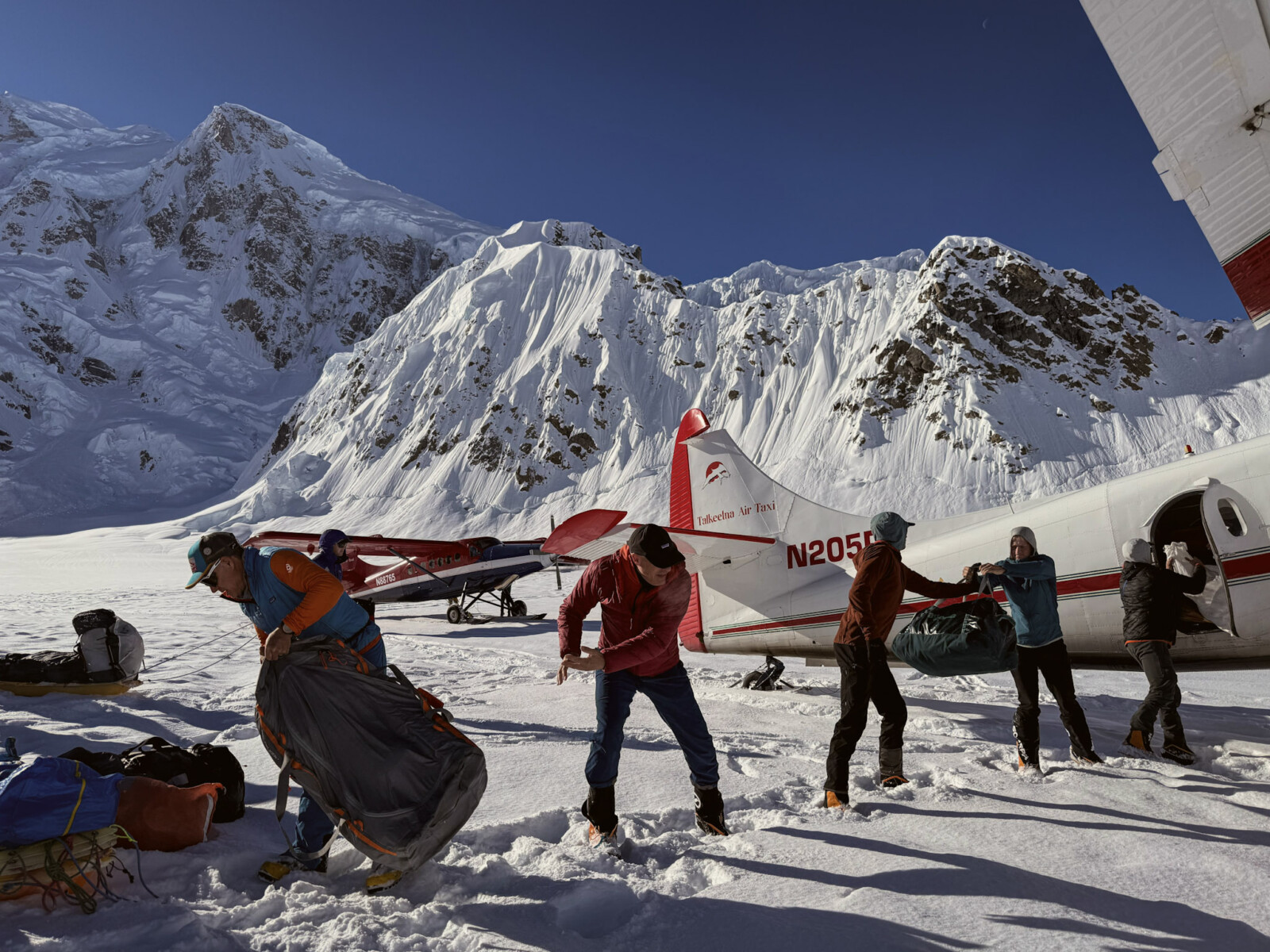
The West Buttress is the classic mountaineering route on Denali — first pioneered by the legendary cartographer and mountaineer Bradford Washburn in 1951. It is the most commonly climbed line on the mountain, chosen for its relatively straightforward logistics and the fact that the entire approach and ascent begins directly from the glacier landing zone. There is no lengthy approach trek — the expedition begins the moment you step off the bush plane onto the Kahiltna Glacier at 7,200 ft / 2,195 m.

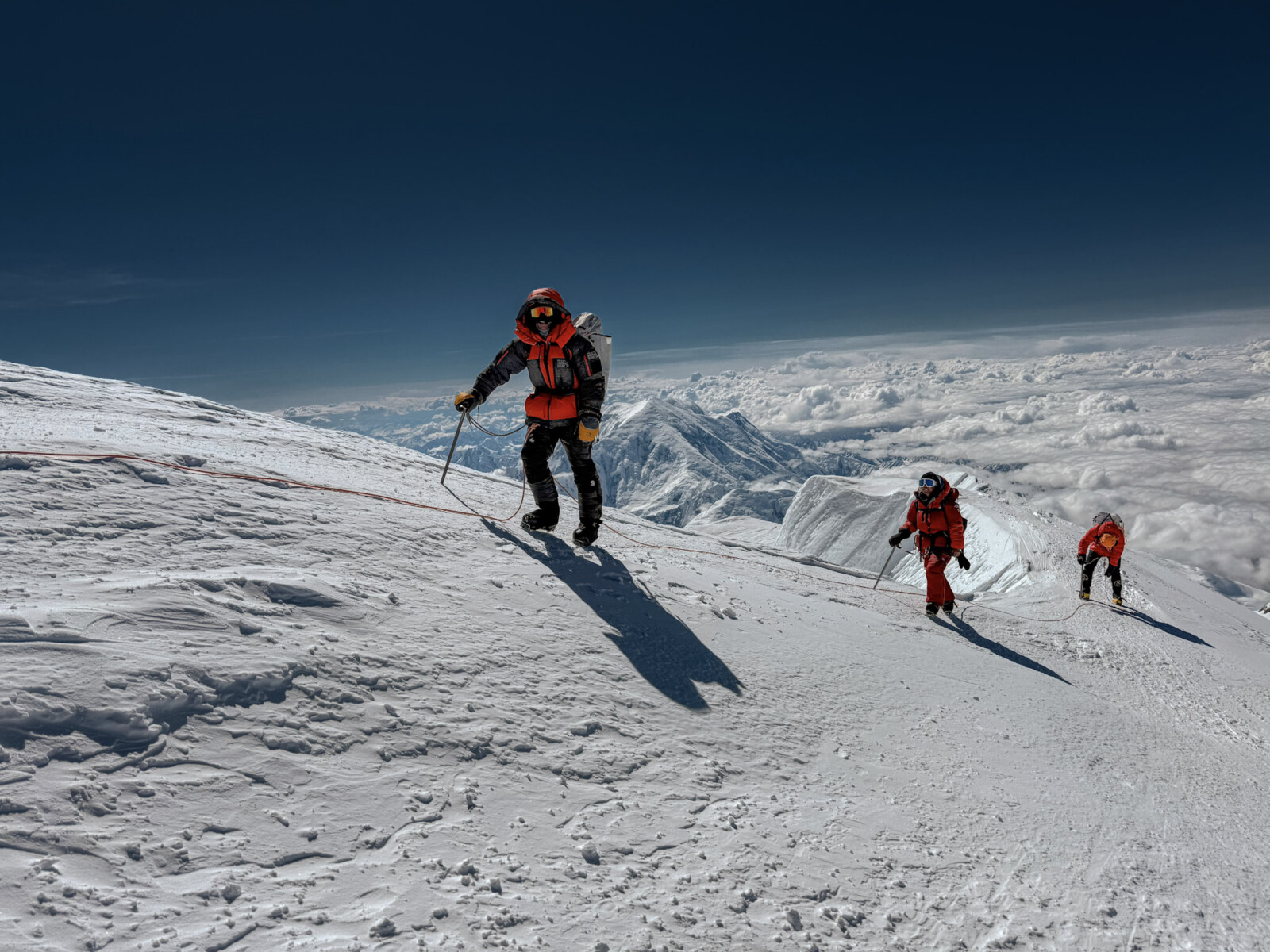
The route is non-technical in the traditional sense — no ice climbing, no vertical rock — but it demands sustained glacier travel, load carrying, fixed-line ascending on steep snow, and the ability to perform across three weeks of arctic expedition conditions. The West Buttress has a well-deserved reputation as one of the physically demanding multi-week climbs in the world. Summit rates on guided programs average 50–60% in any given year.

The Alpine Ascents Partnership

BBE partners with Alpine Ascents International (AAI) for all Denali operations — one of the most respected and experienced guide services operating on the mountain, holding a Commercial Use Authorization (CUA) from Denali National Park and Preserve. Their lead guides average five or more Denali expeditions before leading independently — many have 20, 30, or more. See alpineascents.com for current departure dates and availability.

What Makes Denali Different

  • Relief: 13,000 ft / 3,962 m of vertical gain from glacier landing to summit — more than Everest’s South Col route
  • Latitude: 62°N puts Denali in a sub-arctic zone where barometric pressure is lower than at equivalent altitudes in the Himalaya — the physiological altitude feels closer to 23,000 ft / 7,010 m
  • Cold: temperatures regularly reach -40°F / -40°C on the upper mountain with violent storms that can pin teams for days
  • Self-sufficiency: no porters, no yaks, no fixed camps serviced by others — teams carry and sled every ounce of gear and food themselves
  • Duration: three weeks on the glacier, living and working in expedition conditions for the entire program

Guided vs. Independent Denali

The NPS permits a maximum of 3 clients per lead guide on guided mountaineering programs. BBE and AAI operate at this ratio — ensuring each climber receives direct personal attention throughout the expedition. The partnership also provides access to AAI’s established Denali infrastructure: weather forecasting systems, cached equipment strategies, and decades of route knowledge that significantly improve both summit probability and safety margins for the team.

We are not currently booking fixed-date group departures and welcome custom and private expedition inquiries.

~21 Days  ·  Talkeetna, Alaska → Kahiltna Glacier → West Buttress → Summit → Return

Weather governs every phase of a Denali expedition. The itinerary below reflects a standard progression — actual timing always adapts to conditions. Extra weather days are built in and should be expected. Teams have been pinned at camps for 3–7 days by storms at any point on the route.

Day 1: Arrive Talkeetna, Alaska  ·  358 ft / 109 m

Arrive in Talkeetna — the small mountain town that serves as the gateway to Denali and the Alaska Range. Team orientation at the guide service office followed by a mandatory check-in briefing at the Walter Harper Talkeetna Ranger Station, where NPS rangers review regulations, current mountain conditions, and ensure all permits are in order. Gear is weighed, organized, and packed. Evening is free — Talkeetna has a handful of good restaurants and a culture built entirely around mountaineering.

Overnight: Talkeetna, Alaska

Day 2: Fly to Kahiltna Base Camp  ·  7,200 ft / 2,195 m

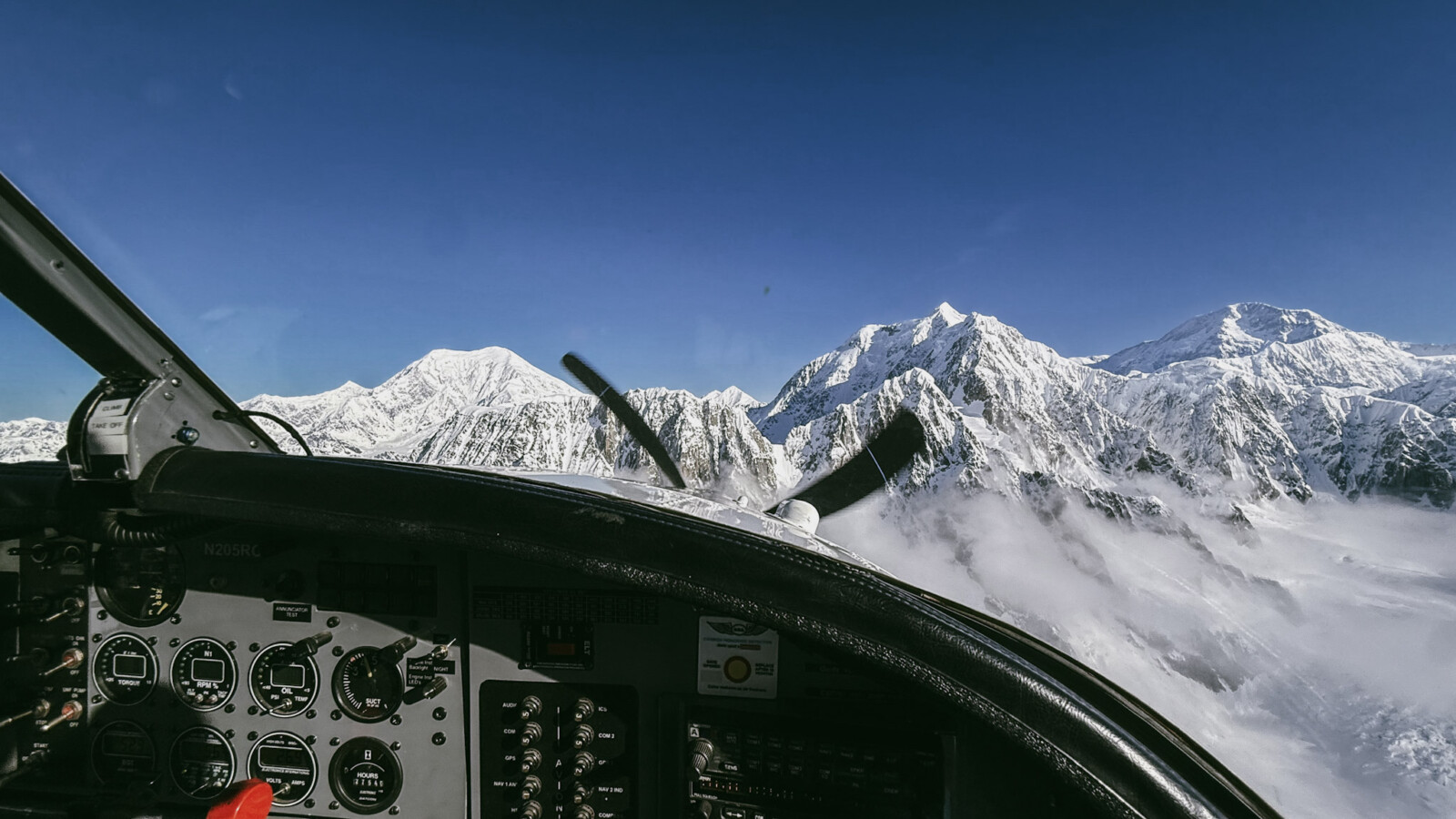
A short flight aboard a single-engine bush plane from Talkeetna Airstrip — approximately 60 miles / 97 km into the Alaska Range. The approach flight is one of the great experiences of any Denali expedition: the Alaska Range fills the windshield as the plane threads between peaks and drops onto the Kahiltna Glacier. Base camp is established immediately on arrival. Glacier travel, crevasse rescue systems, sled rigging, and rope management are reviewed before the first carry.

Overnight: Kahiltna Base Camp — 7,200 ft / 2,195 m

Day 3: Kahiltna Base Camp to Camp 1  ·  Gain: +600 ft / +183 m  ·  Distance: 5.5 miles / 8.8 km  ·  ~4–6 hrs

The first movement day on the glacier. We travel roped on the Kahiltna Glacier to Camp 1 at 7,800 ft / 2,377 m, crossing relatively gentle terrain below the dramatic faces of the Alaska Range. Sled travel dominates the lower glacier — this is one of the great load-hauling sections of the route, and setting the right pace and rhythm here pays dividends higher on the mountain.

Overnight: Camp 1 — 7,800 ft / 2,377 m

Day 4: Carry to 9,700 ft / 2,957 m — Kahiltna Pass  ·  Gain: +1,900 ft / +579 m  ·  Distance: 5 miles / 8 km RT  ·  ~5–7 hrs

We carry loads up and over the Kahiltna Pass — the natural col separating the Southeast Fork of the Kahiltna from the main glacier. This is the classic ‘climb high, sleep low’ carry day: loads are cached at 9,700 ft and the team returns to Camp 1 to sleep lower and acclimatize.

Overnight: Camp 1 — 7,800 ft / 2,377 m

Day 5: Move to Camp 2  ·  11,000 ft / 3,353 m  ·  Gain: +3,200 ft / +975 m  ·  Distance: ~4 miles / 6.4 km

We collect the cached loads from 9,700 ft and continue to Camp 2 at 11,000 ft / 3,353 m on the main Kahiltna Glacier — a broad, relatively protected basin with wide views of the surrounding peaks. The Alaska Range is now fully present in every direction.

Overnight: Camp 2 — 11,000 ft / 3,353 m

Day 6: Acclimatization / Back Carry  ·  11,000 ft / 3,353 m

A structured rest and acclimatization day at Camp 2. Depending on team condition, we may conduct a back carry to retrieve additional cached equipment from below, or rest in preparation for the demanding terrain above.

Overnight: Camp 2 — 11,000 ft / 3,353 m

Day 7: Carry Around Windy Corner to 13,500 ft / 4,115 m  ·  Gain: +2,500 ft / +762 m  ·  Distance: ~3.5 miles / 5.6 km RT  ·  ~6–8 hrs

One of the defining carry days of the expedition. From Camp 2 we climb Motorcycle Hill — moderately steep snow with dramatic views — through Squirrel Hill and along the base of the West Buttress toward Windy Corner. The aptly named corner is exposed to the prevailing wind coming off the west face — conditions here can be severe. Loads are cached just above and the team returns to Camp 2 to sleep.

Overnight: Camp 2 — 11,000 ft / 3,353 m

Day 8: Move to Camp 3 — Kahiltna Medical Camp  ·  14,200 ft / 4,328 m

We move fully to Camp 3 at 14,200 ft / 4,328 m — the largest and most established camp on the route, home to a Denali National Park ranger station that operates during the climbing season. Camp 3 is where teams consolidate, rest, and acclimatize before the technical upper mountain begins. The scenery from here is extraordinary — the full sweep of the Alaska Range in every direction.

Overnight: Camp 3 — 14,200 ft / 4,328 m

Days 9–10: Rest & Acclimatization at Camp 3  ·  14,200 ft / 4,328 m

One to two deliberate rest and acclimatization days at 14,200 ft. These days are not passive — guides conduct additional skills sessions, review the upper route, and closely monitor each climber’s acclimatization progress. The weather window for the upper mountain is also assessed. Moving too quickly above this point is the most common cause of summit failure and medical evacuation on Denali.

Overnight: Camp 3 — 14,200 ft / 4,328 m

Day 11: Carry to 16,500 ft / 5,029 m — Top of the Headwall  ·  Gain: +2,300 ft / +701 m  ·  Fixed lines: 900 ft at 45–50°  ·  ~6–8 hrs

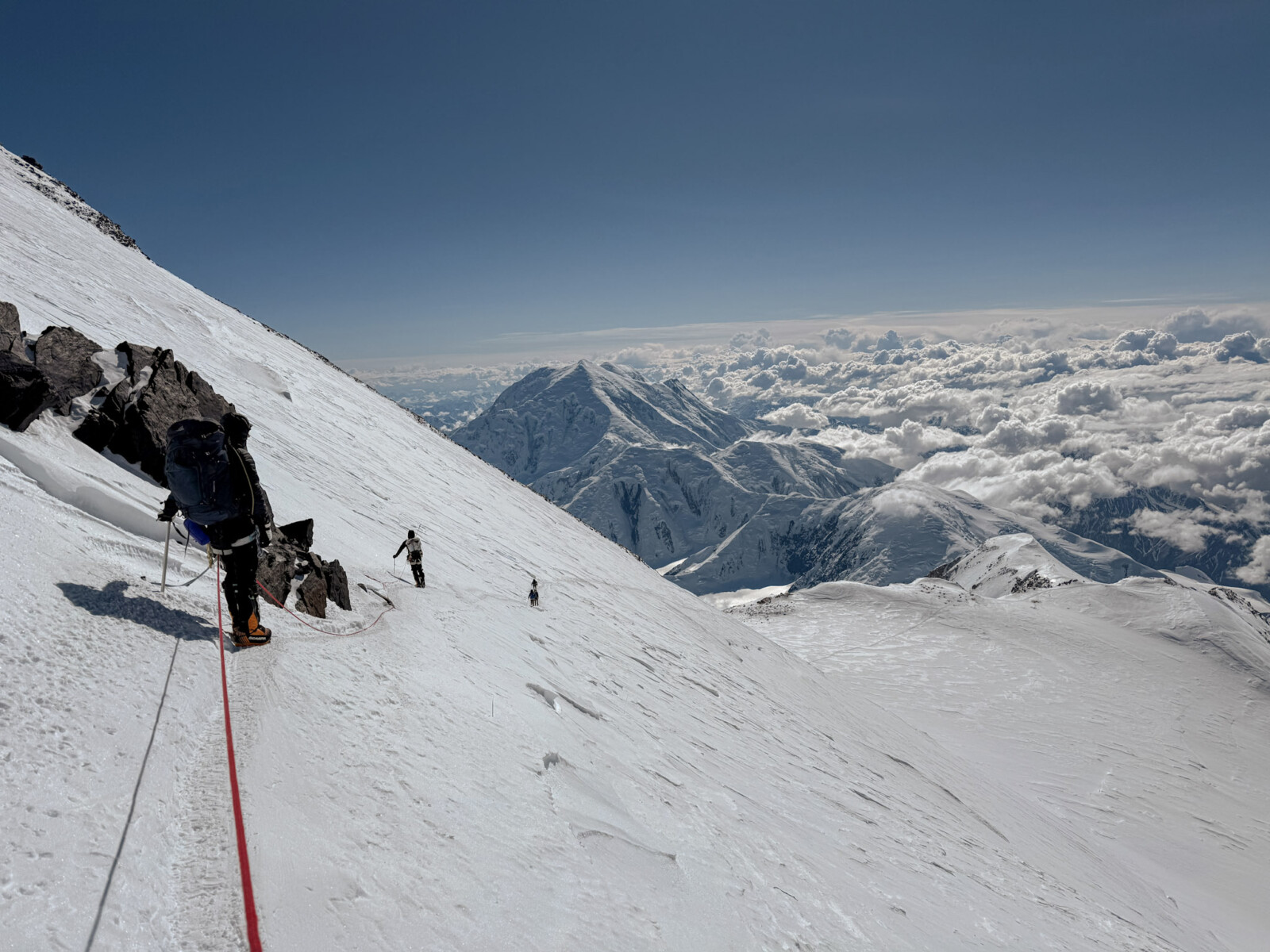
The transition to the upper mountain. From Camp 3 we ascend 1,100 ft of moderate snow slopes to the base of the fixed lines on the Headwall — 900 ft of 45–50 degree snow and ice requiring ascenders. The top of the Headwall at 16,200 ft / 4,938 m delivers you to the crest of the West Buttress ridge with exposure falling away thousands of feet on both sides. Loads are cached and the team returns to Camp 3 to sleep.

Overnight: Camp 3 — 14,200 ft / 4,328 m

Day 12: Move to Camp 4 — Windy Corner High  ·  16,200 ft / 4,938 m

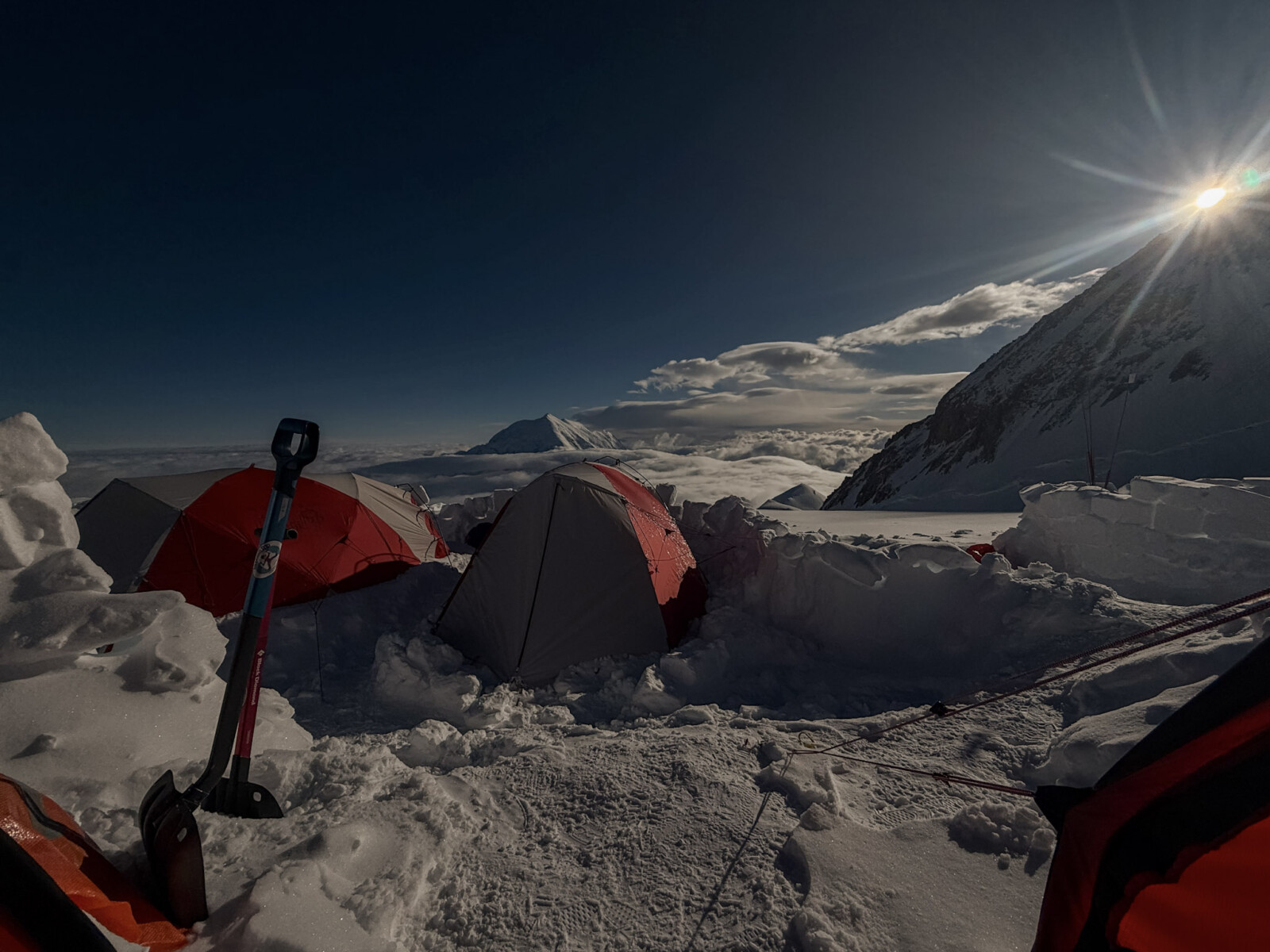
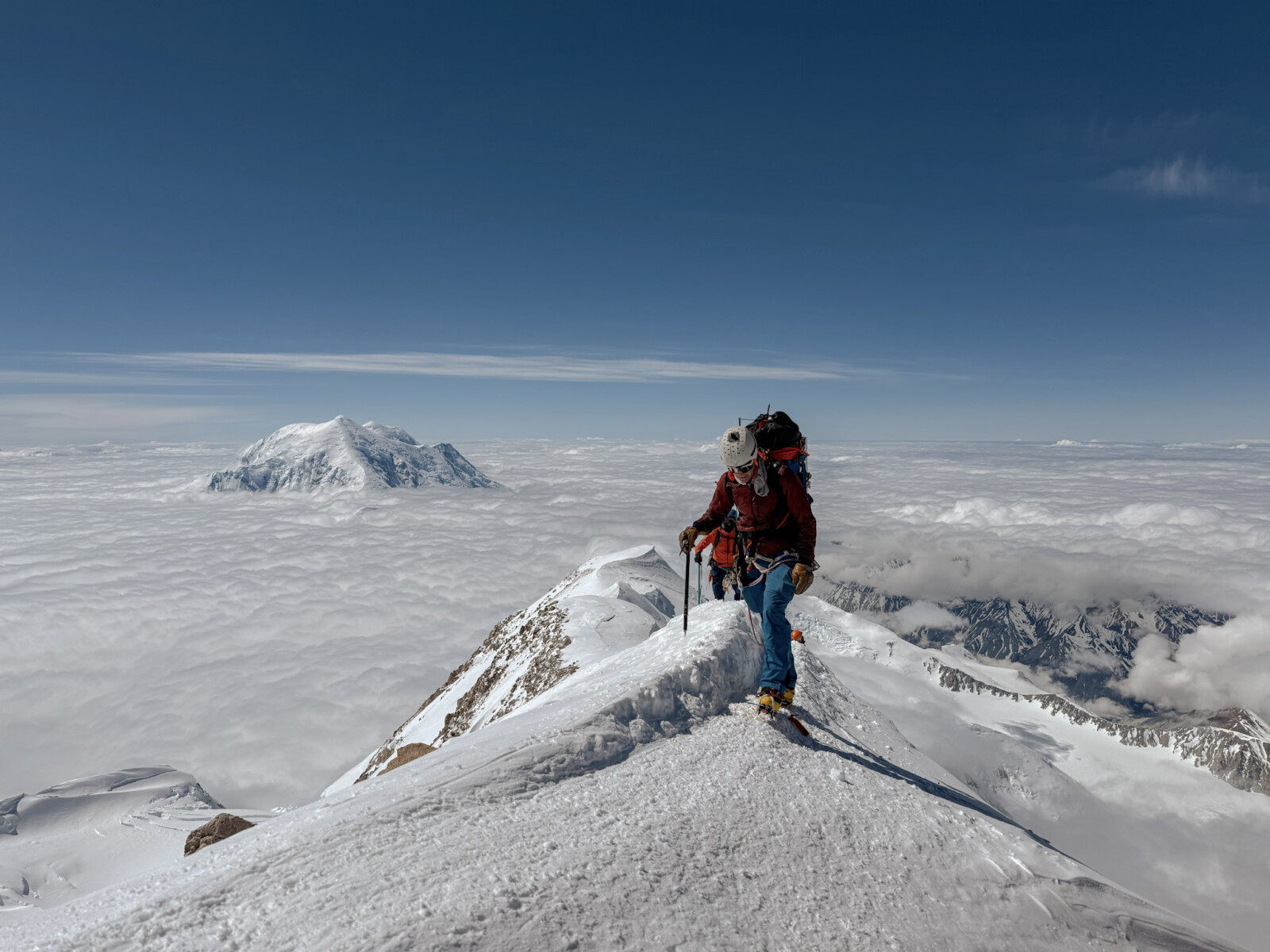
We ascend the Headwall fixed lines with full packs and establish Camp 4 on the West Buttress ridge. This camp sits exposed — fully open to the arctic winds that funnel across the ridge from the west. The views looking down the Ruth Glacier are staggering. Wind management and tent anchoring are taken seriously here.

Overnight: Camp 4 — 16,200 ft / 4,938 m

Day 13: Rest Day at Camp 4  ·  16,200 ft / 4,938 m

A rest and acclimatization day on the ridge. The elevation gain from Camp 3 to Camp 4 is significant — the body needs time to adapt before the push to High Camp and the summit. Winds at this elevation can pin teams for additional days.

Overnight: Camp 4 — 16,200 ft / 4,938 m

Day 14: Move to High Camp — Camp 5  ·  17,200 ft / 5,242 m

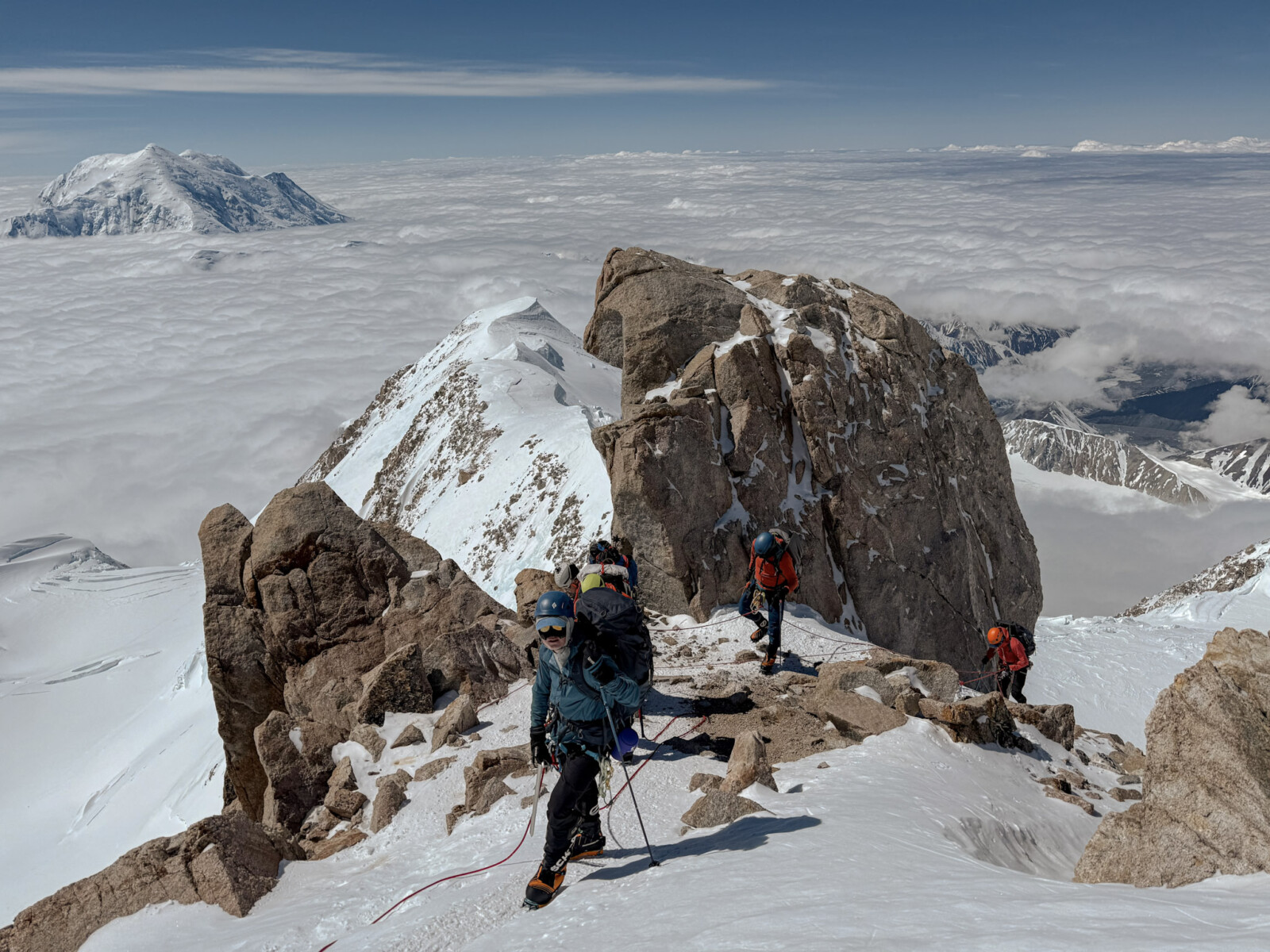
We ascend the exposed ridge past Washburn’s Tower and continue to High Camp at 17,200 ft / 5,242 m — a broad saddle above the Rescue Gully with Camp 4 visible 3,000 ft / 914 m below. High Camp is the final staging point for the summit. The views from here — across the entire Alaska Range — are among the finest in North American mountaineering.

Overnight: High Camp — 17,200 ft / 5,242 m

Day 15: Rest / Weather Day at High Camp  ·  17,200 ft / 5,242 m

Most teams require a rest day at High Camp before the summit push. Acclimatization at this elevation, combined with the exertion of reaching it, makes recovery critical. Guides monitor weather forecasting systems and confirm summit conditions before committing.

Overnight: High Camp — 17,200 ft / 5,242 m

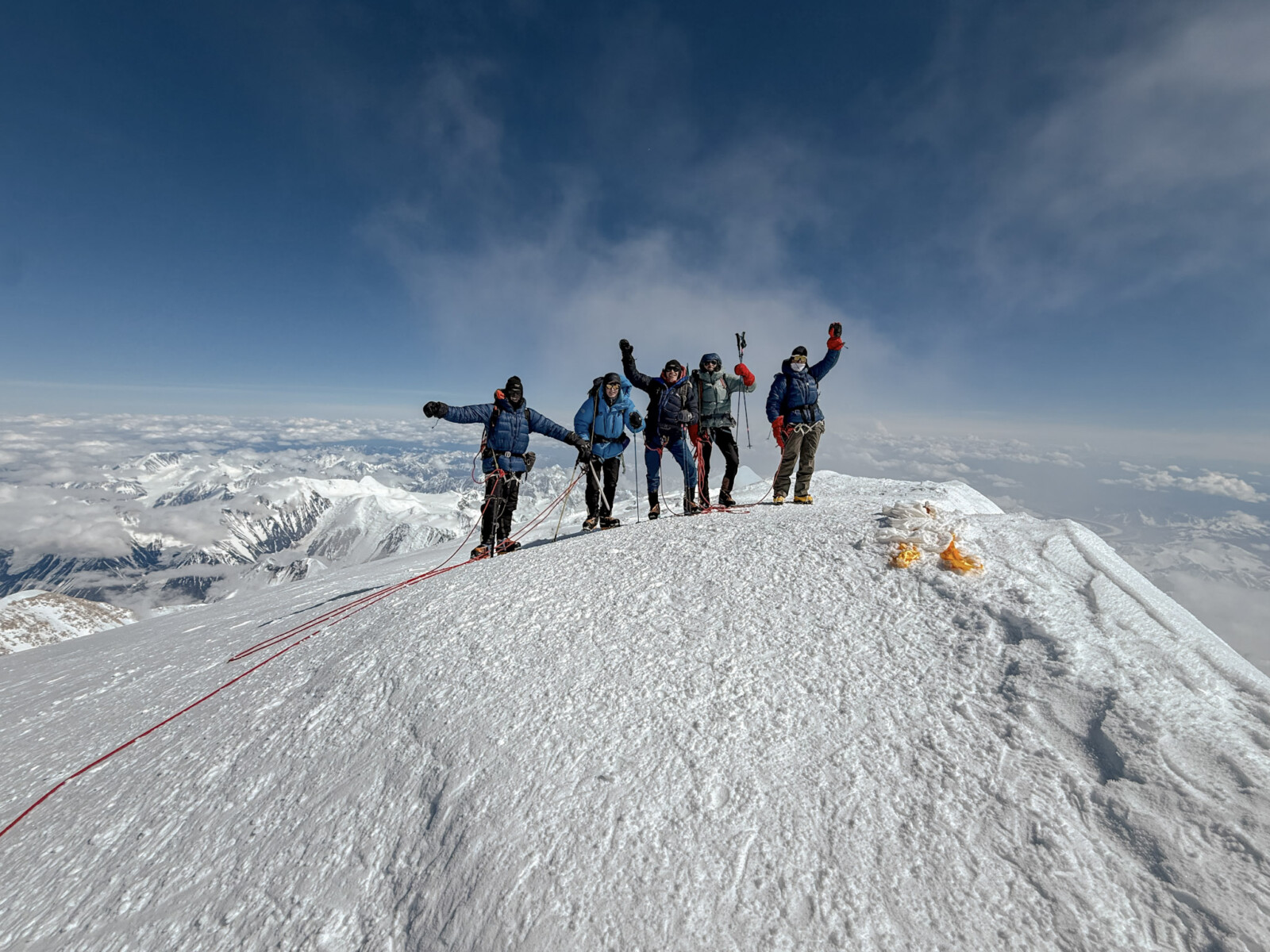
Day 16: Summit Day — Denali  ·  20,310 ft / 6,190 m  ·  Gain: +3,110 ft / +948 m  ·  ~12–14 hrs round trip

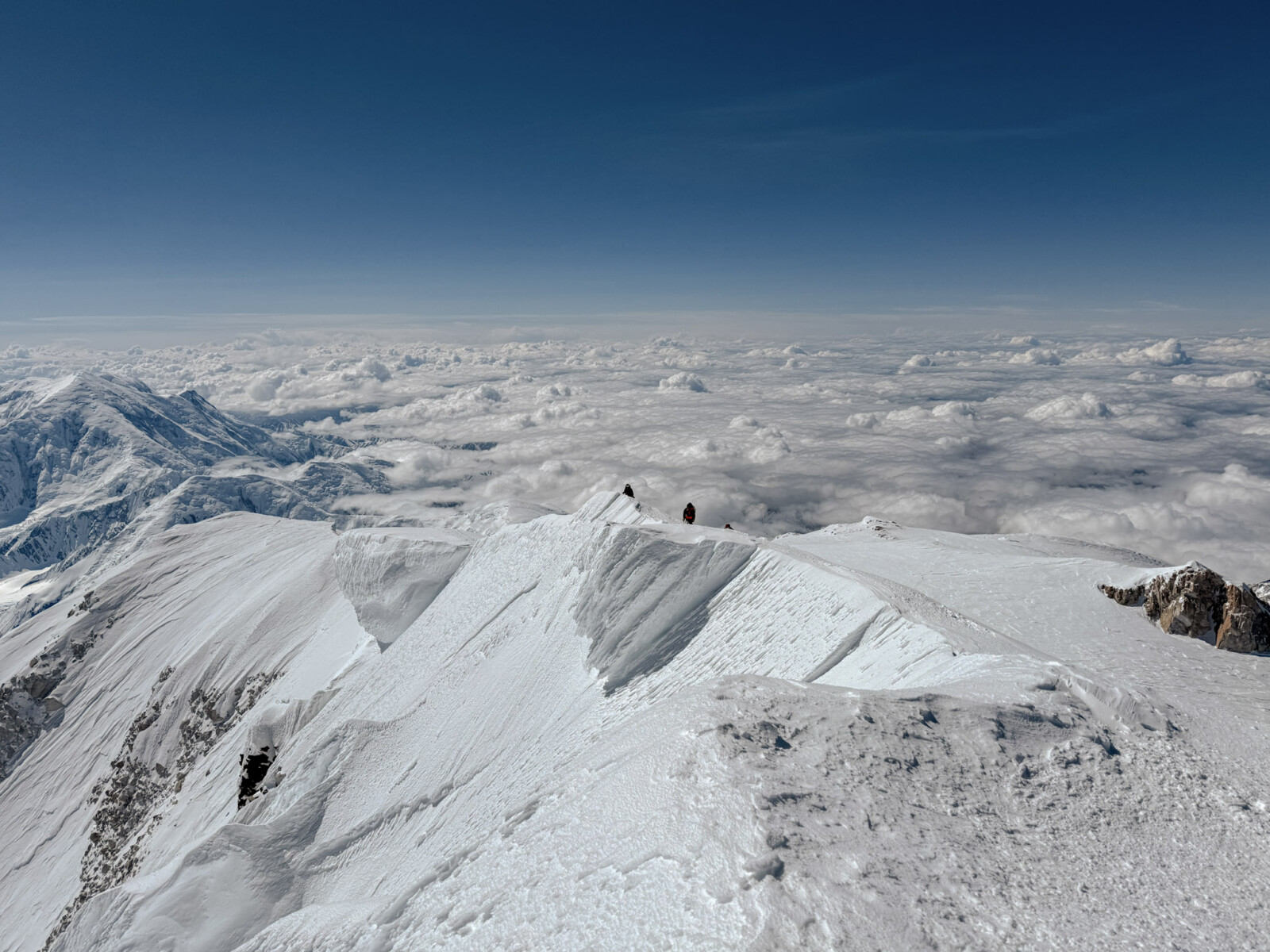
We depart High Camp between 7:00–10:00 AM when conditions allow. The route traverses steep snow slopes to Denali Pass at 18,200 ft / 5,547 m, then follows the exposed upper ridge past Archdeacon’s Tower and across the Football Field — a broad glaciated plateau at 19,500 ft / 5,944 m — before the final 800 ft / 244 m push to the summit ridge. The last 300 ft to the true summit are the finest climbing of the expedition. From the top of North America, views stretch across the entire Alaska Range on clear days. After summit photographs and a short celebration, the descent begins immediately. The round trip typically takes 12–14 hours.

Overnight: High Camp — 17,200 ft / 5,242 m

Days 17–18: Weather Reserve / Second Summit Window  ·  17,200 ft / 5,242 m

Two reserve days are built into the program at High Camp to accommodate weather holds on summit day. If the summit was achieved on Day 16, these days are used for rest and the beginning of the descent sequence.

Overnight: High Camp — 17,200 ft / 5,242 m

Days 19–20: Descend to Base Camp  ·  7,200 ft / 2,195 m

The descent from High Camp to Base Camp is typically completed in one to two demanding days. The route reverses in its entirety — down the fixed lines, through Camp 3, past Windy Corner, and back down the lower glacier to the Kahiltna. The descent with the season’s accumulated load is physically the most demanding carry of the expedition.

Overnight: Kahiltna Base Camp — 7,200 ft / 2,195 m

Day 21: Fly to Talkeetna / Departures  ·  358 ft / 109 m

When weather permits, the bush plane returns the team to Talkeetna. The flight out — warm air, green trees visible below, the Alaska Range receding behind the tail — is an extraordinary contrast to the world of the past three weeks. Services conclude in Talkeetna. Book onward travel from Anchorage with flexibility — bush plane departures from the glacier are fully weather-dependent and delays of one to three days are common.

Overnight: Talkeetna / Anchorage

Denali is widely considered the most demanding of the Seven Summits. Not because of its altitude — at 20,310 ft / 6,190 m it is lower than Everest, Aconcagua, and Denali’s neighbor Foraker — but because of everything else: the arctic weather, the man-powered load carrying, the duration, the latitude effect on barometric pressure, and the complete self-sufficiency demanded of every team member for three consecutive weeks.

Technical Experience Required

The West Buttress is the non-technical route on Denali — but ‘non-technical’ by Denali’s standards still requires:

  • Solid glacier travel: crampon technique, rope team movement, self-arrest, crevasse rescue — practiced and efficient, not learned for the first time
  • Fixed-line ascending: comfortable using an ascender on 45–50 degree slopes with expedition gloves on — the Headwall is not the place to be learning jumar technique
  • Load carrying: ability to haul a sled and carry a 50–60 lb / 23–27 kg pack over sustained terrain at altitude
  • Camp craft: setting up and anchoring a tent in high winds, managing gear and food systems in arctic temperatures, effective team communication under fatigue

The NPS and BBE/AAI require all guided Denali clients to have documented prior mountaineering experience. Prerequisite benchmarks: Aconcagua, Rainier, Shasta, Cotopaxi, a mountaineering course in glaciated terrain, or equivalent documented alpine experience.

Fitness

Denali is one of the most physically demanding expeditions available to non-professional mountaineers. The fitness requirement is not just cardiovascular — it is loaded uphill endurance over consecutive expedition days, sustained for three weeks. Key benchmarks:

  • Carry a 50–60 lb pack for 6–10 hours at altitude on consecutive days
  • Pull a sled loaded with 30–40 lbs while simultaneously carrying a full pack
  • Perform at sustained output in cold conditions after poor sleep and reduced appetite
  • Recover and perform again the following day regardless of the previous day’s effort

Training programs should begin 6 months before departure minimum — 9 to 12 months is better. Prioritize: weighted pack hiking on steep terrain, back-to-back loaded effort days, cold exposure, and core/leg strength work. BBE provides a full training plan to every confirmed climber.

The Latitude Factor

Denali’s position at 62°N means lower barometric pressure than at equivalent altitudes further south. The effective physiological altitude at Denali’s summit is closer to 23,000 ft / 7,010 m than the measured 20,310 ft / 6,190 m. Climbers with previous Himalayan or Andean altitude experience should not assume their prior acclimatization directly transfers — Denali’s arctic altitude affects the body differently and more severely. Prior experience above 18,000 ft / 5,486 m is strongly recommended.

Mental Demands

Three weeks on a glacier in arctic conditions — often confined to a tent for days by storms, carrying enormous loads, managing altitude fatigue, and performing demanding work without the end feeling close — requires a specific mental profile:

  • Patience — the ability to wait out storms without frustration destroying the team’s cohesion
  • Resilience — performing on summit day after weeks of accumulated effort
  • Team orientation — on a roped team in crevasse terrain, everyone’s safety is collective
  • Honest communication — reporting symptoms, fatigue, and concerns to the guide team early

Is This the Right Time?

Denali is a capstone expedition, not a starting point. Climbers who thrive on Denali typically have multiple alpine and high-altitude expeditions behind them. If you are considering Denali as your first serious mountaineering objective, we would steer you toward our Ecuador Mountaineering School, Aconcagua Normal Route, or Kilimanjaro program first — and return to Denali better prepared. The mountain will still be there.

Denali has no porter support — every ounce of gear, food, and fuel for three weeks is carried or sledded by the climbing team. The standard method is ‘ferrying’: carry a load to the next cache point, descend to sleep lower, then return the next day to collect and move up. This doubles the vertical effort but builds acclimatization and distributes the load across multiple days. On a well-run expedition, no single day’s carry exceeds 60 lbs / 27 kg. The sled — used on the lower glacier — removes significant weight from your back on the approach sections.

A single-engine floatplane or ski-equipped aircraft departs Talkeetna Airstrip and flies approximately 60 miles / 97 km into the Alaska Range, threading between peaks before dropping onto the Kahiltna Glacier at 7,200 ft / 2,195 m. Flight time is approximately 30 minutes. This flight is one of the great Alaskan experiences — the approach to Denali from the air is extraordinary. Flights are fully weather-dependent and are frequently delayed. Do not book tight connections in Anchorage on fly-in or fly-out days.

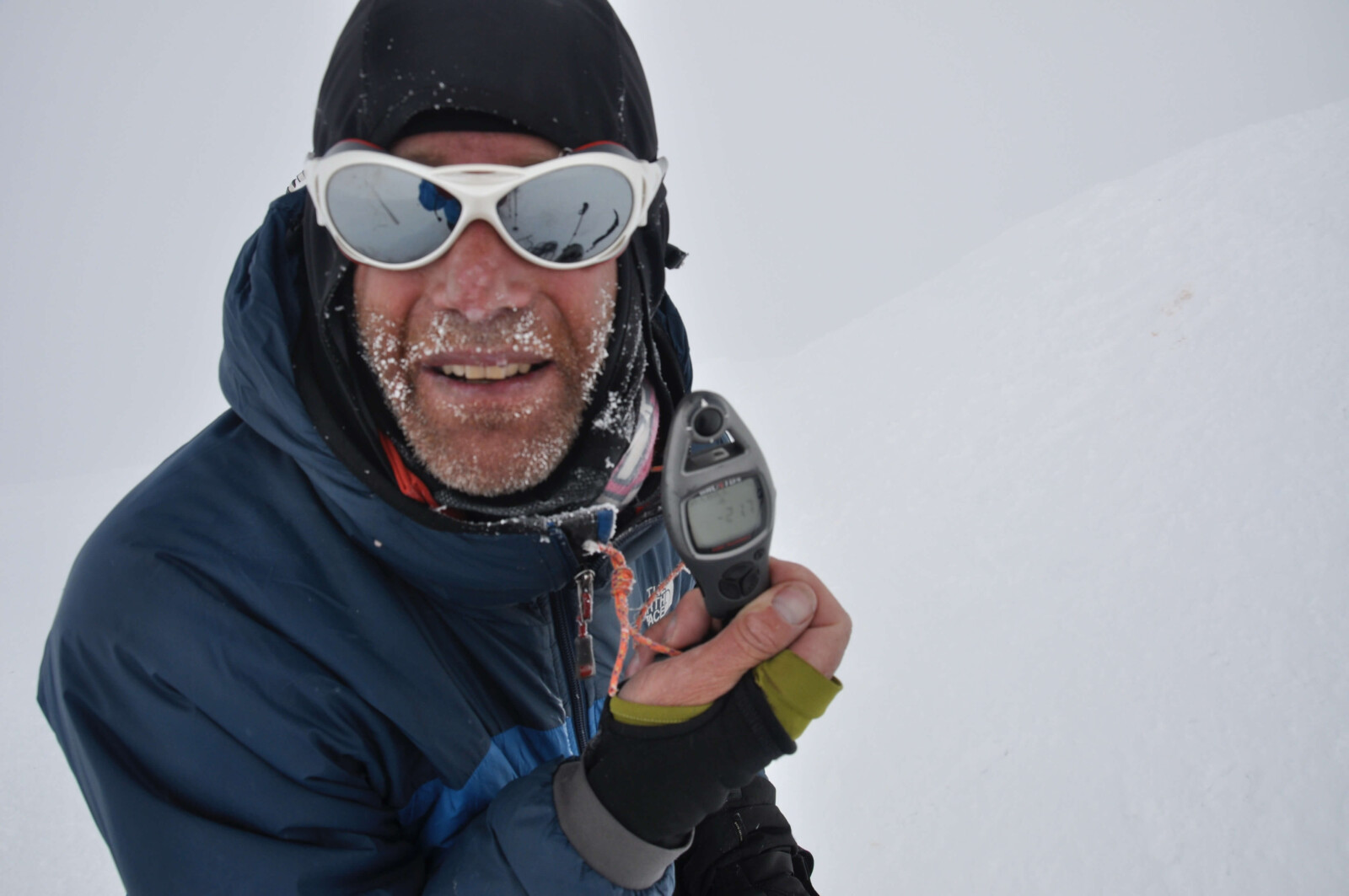
On the lower glacier, temperatures are often surprisingly mild in the Alaska summer — single digits above freezing on warm days. Above 14,200 ft / 4,328 m the arctic conditions arrive: expect -20°C to -30°C (-4°F to -22°F) at High Camp in normal conditions, with wind chills reaching -40°C / -40°F or worse in storms. Cold injury prevention is a significant guide focus on the upper mountain.

Overall summit rates on guided Denali programs average 50–60% annually across all guide services. BBE and AAI’s rates trend toward the higher end due to small teams, experienced guides, and deliberate acclimatization strategy. The primary causes of failure are: weather closing the summit window, inadequate acclimatization, and physical exhaustion from insufficient preparation. Arriving well-trained and patient significantly improves your odds.

All climbers must purchase a Denali National Park mountaineering permit before arrival in Talkeetna. For 2026, the fee is $450 for climbers over 24 years old and $350 for those 24 and under, plus a $15 park entrance fee. Applications must be submitted at least 60 days before the climb. BBE and AAI coordinate all permit paperwork for confirmed clients — you receive detailed instructions at booking.

Yes. Documented alpine experience on glaciated terrain is required before acceptance on a guided Denali expedition. Minimum benchmarks: successful ascent of Aconcagua, Rainier, Cotopaxi, or equivalent, plus demonstrated competence in glacier travel, crevasse rescue, and fixed-line technique. BBE reviews all climber applications individually. If you are working toward Denali and not yet at the required experience level, contact us — we can build a preparation pathway.

North America's Hardest Test.

Denali is not North America's highest peak by a small margin. At 20,310 ft, it dominates the continent by thousands of feet — with arctic weather, human-powered load carrying, and a 13,000 ft climb from the glacier that has no equal in the hemisphere.

Book Trip
Location:
Alaska
Group:
4 people
Duration:
2 months
Skill:
Intermediate
Activities:
Expeditions, 7 Summits
Pricing

Pricing is a typical estimate, final quote will be provided after receiving your inquiry.

North America's Hardest Test.

Denali is not North America's highest peak by a small margin. At 20,310 ft, it dominates the continent by thousands of feet — with arctic weather, human-powered load carrying, and a 13,000 ft climb from the glacier that has no equal in the hemisphere.