Global ExpeditionsPeak Performance Series Nepal

Everest Peak Performance Expedition

Accelerated. Smart. Real.

35 days Group: Maximum 4 climbers per team $140,000 per person

Introduction

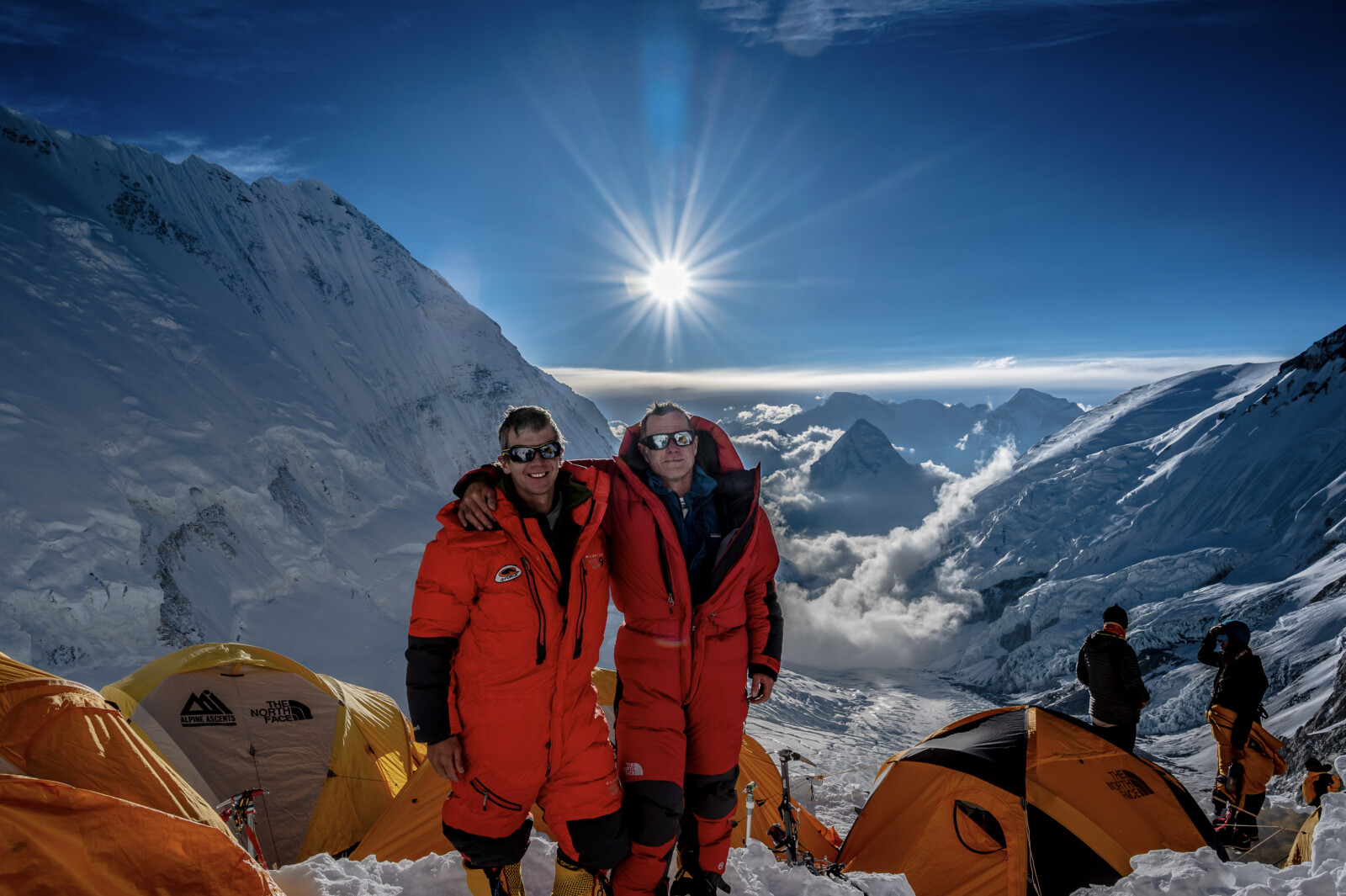
At Benegas Brothers Expeditions, Everest is more than a summit — it’s the ultimate expression of preparation and purpose.Our 35-day Peak Performance Expedition blends decades of Himalayan expertise with a modern, time-efficient approach: small teams, real acclimatization, and calm, precise leadership from Willie and Damian Benegas.

Pre-Acclimatization Program

Preparation for Everest begins long before arriving in Nepal.All climbers in our Peak Performance program receive a personalized pre-acclimatization plan utilizing Hypoxico altitude simulation systems, designed to safely stimulate red blood cell production and improve oxygen efficiency weeks before departure.

This program is fully supported by Willie and Damian Benegas, who monitor your progress, and by our expedition physician, Dr. Bernabé Abramor, a high-altitude medical specialist with years of field experience in the Andes and Himalaya.

By combining this science-based preparation with real climbing adaptation on Mera Peak, you’ll arrive at Everest Base Camp stronger, safer, and physiologically ready — maximizing summit potential and minimizing risk.

Pre-Acclimatization Overview

Science-Based Preparation — Weeks Before DepartureOur Everest Peak Performance climbers begin altitude adaptation before ever leaving home.

  • Hypoxico Altitude SystemsEach participant trains with a personalized Hypoxico program to safely build red-blood-cell density and oxygen efficiency over 4–6 weeks prior to departure.
  • Expert Medical OversightMonitoring and guidance by Dr. Bernabé Abramor, high-altitude physician and long-time BBE medical advisor, ensuring safe progression and optimal physiological adaptation.
  • Direct Support from Willie & Damian BenegasRegular check-ins, adjustment of training targets, and detailed review of acclimatization data to align readiness with expedition objectives.

The result: you arrive in Kathmandu already acclimatized, energized, and primed for high performance on Mera Peak and Everest.

About This Expedition

Built for climbers who value purpose over pace, this program rethinks every stage of a traditional Everest climb. You’ll gain real acclimatization by climbing Mera Peak (6,476 m), not just trekking. You’ll recover at Lukla, where rest and readiness replace fatigue. Then, you’ll move directly into the Khumbu, arriving at Everest Base Camp truly prepared— focused, rested, and ready to perform.

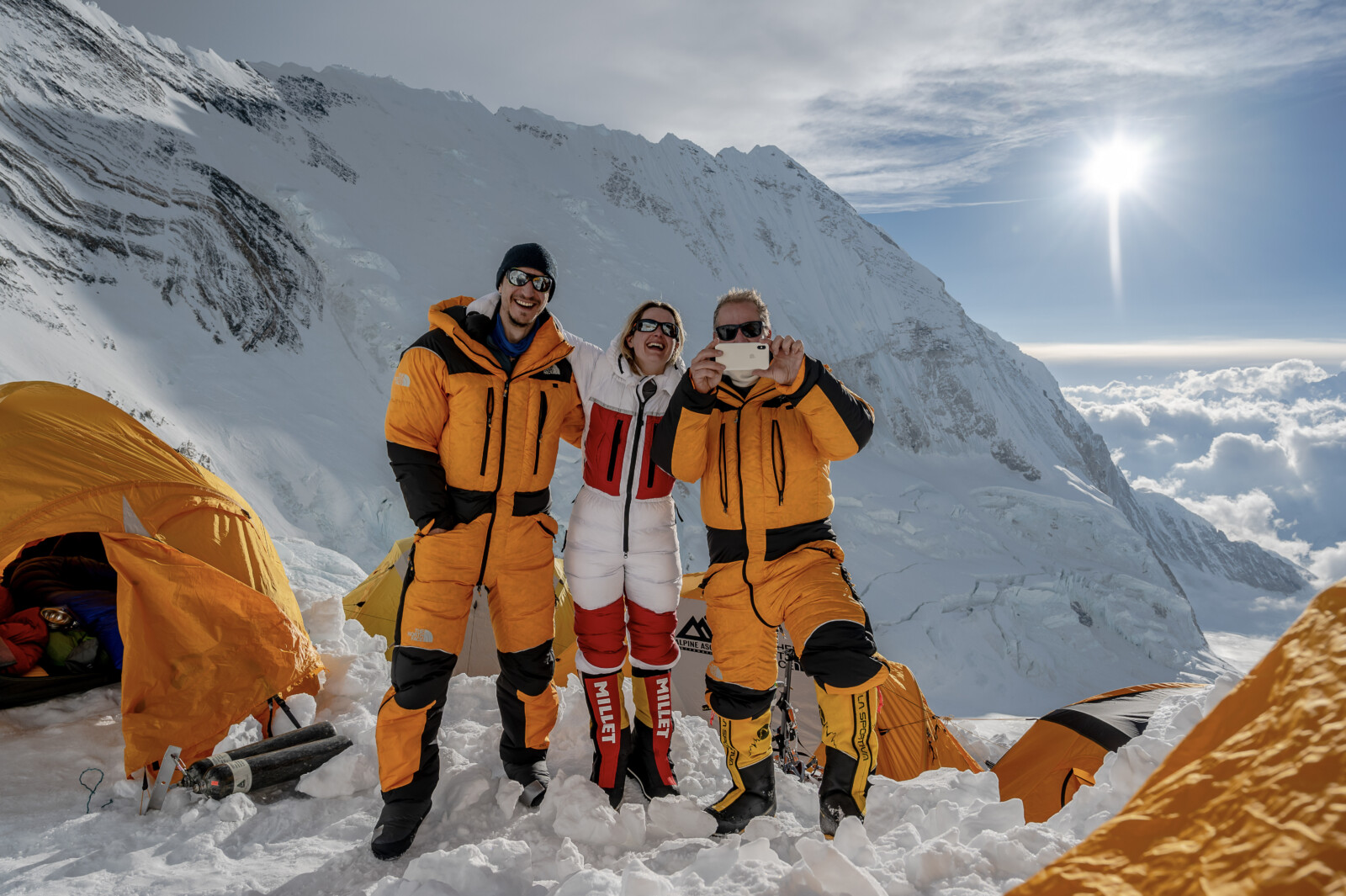
With a maximum of four climbers, each paired 1:1 with a personal Sherpa, and guided personally by Willie or Damian Benegas, this is a finely tuned, small-team approach — one that values communication, professionalism, and genuine experience at altitude.

This expedition is not about speed — it’s about bringing everything together: preparation, experience, logistics, and teamwork. Every decision, every ascent, every rest day is designed to align at the perfect moment — so when the time comes to climb, the entire system works in harmony.

Who This Expedition Is For

This expedition is designed for experienced mountaineers ready to step into the highest level of expedition climbing — guided by professionals who know every detail of Everest from decades of direct experience.

It’s for climbers who train with intention, who understand that success at 8,848 meters is built long before the summit push. It’s for those who want to move efficiently, climb responsibly, and be part of a true team environment — where trust, preparation, and communication come first.

Whether you’ve stood on Aconcagua, Denali, or high Andean peaks, the Everest Peak Performance Expedition offers the next progression — combining technical leadership, elite logistics, and human connection at the world’s highest level.

Trip Overview

The Everest Peak Performance Expedition condenses a lifetime of experience into a 35-day program that balances acclimatization, rest, and decisive action. Every element — from Hypoxico-based pre-acclimatization to climbing Mera Peak — is designed for efficiency, safety, and performance when it matters most.

Our progression begins with a real ascent of Mera Peak (6,476 m) to stimulate natural acclimatization at altitude. From there, we transition by helicopter to Lukla for structured recovery — two full nights of rest, warm meals, and deep sleep before entering the Khumbu. By the time we reach Everest Base Camp, the team is physiologically adapted, mentally sharp, and ready to climb.

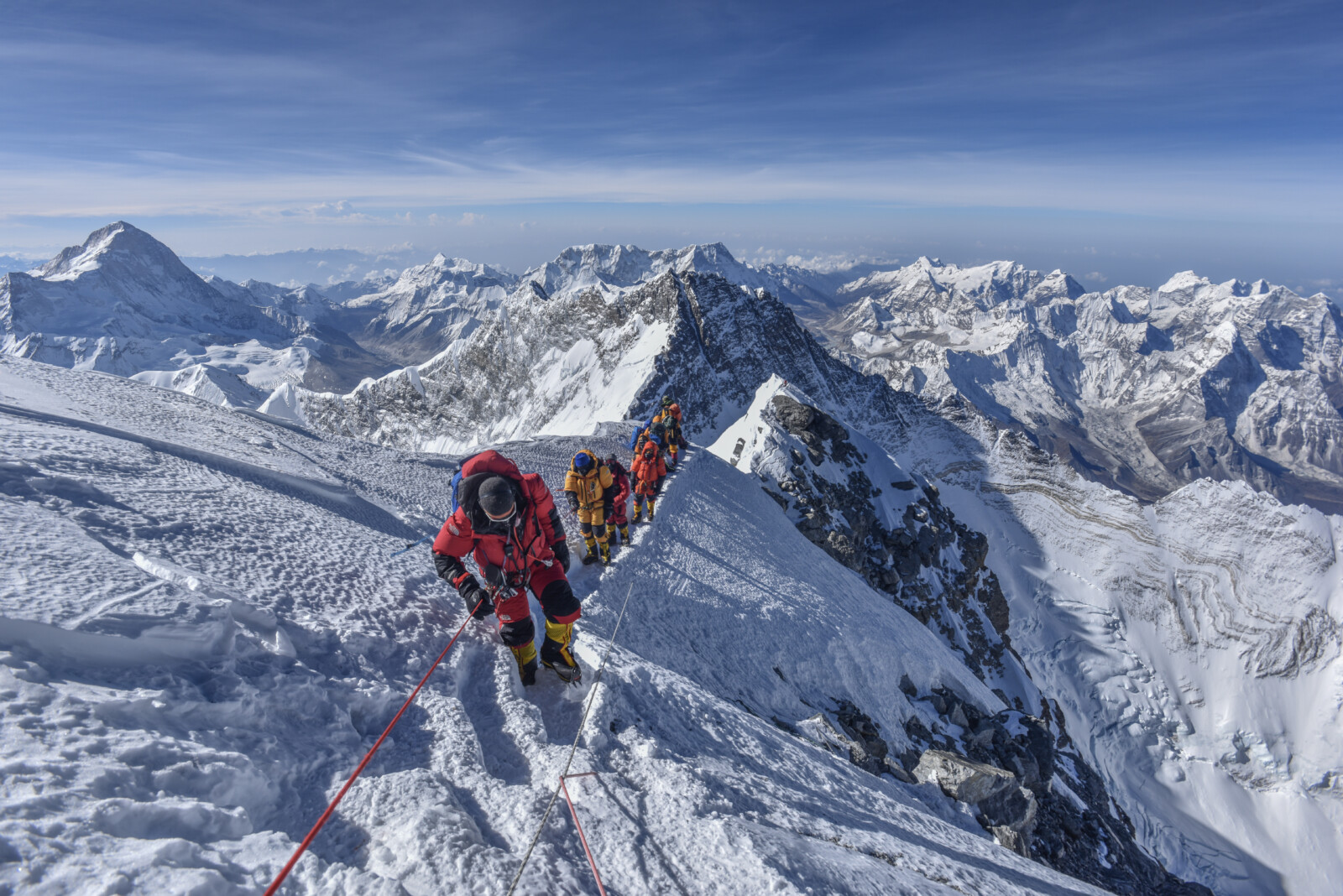
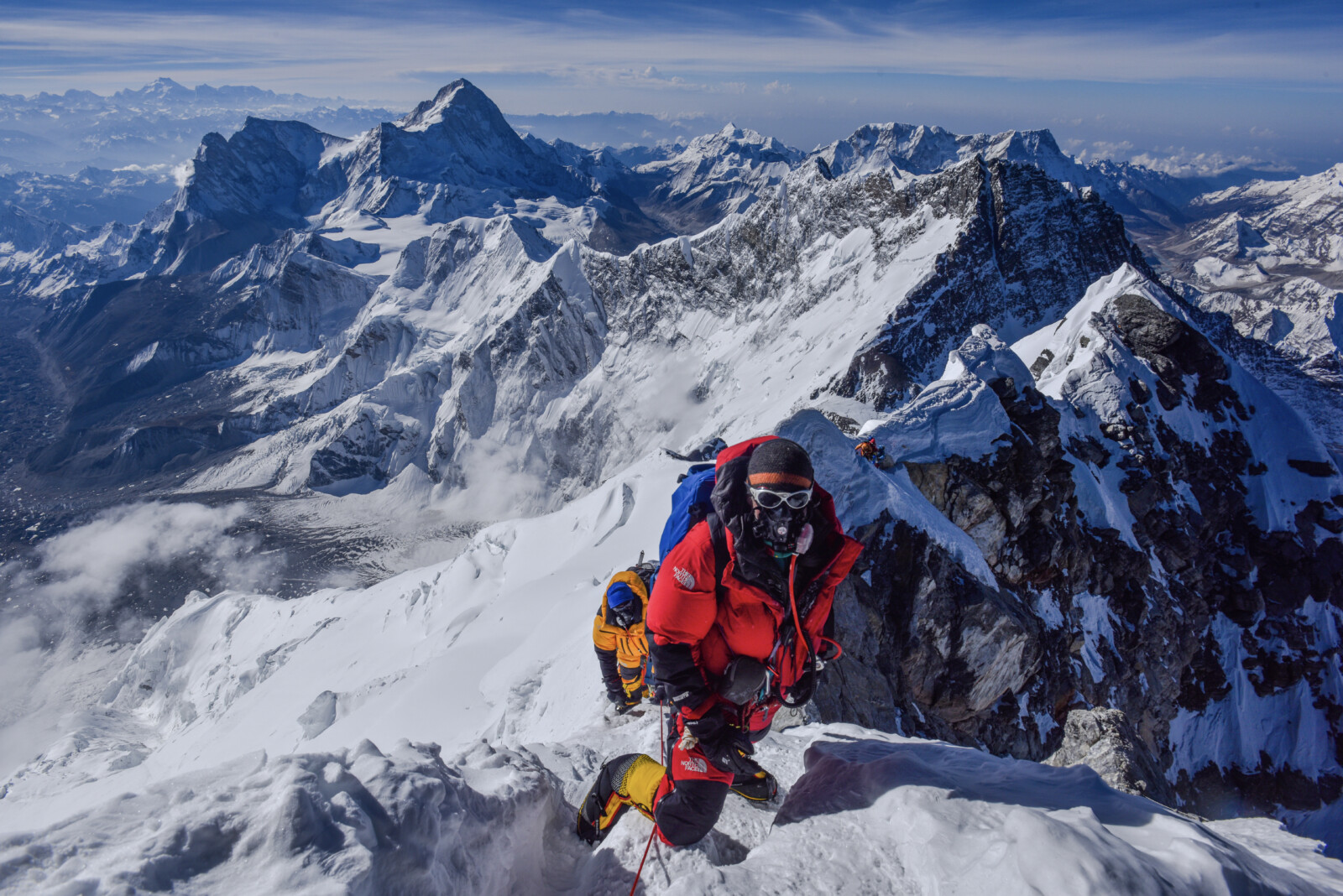
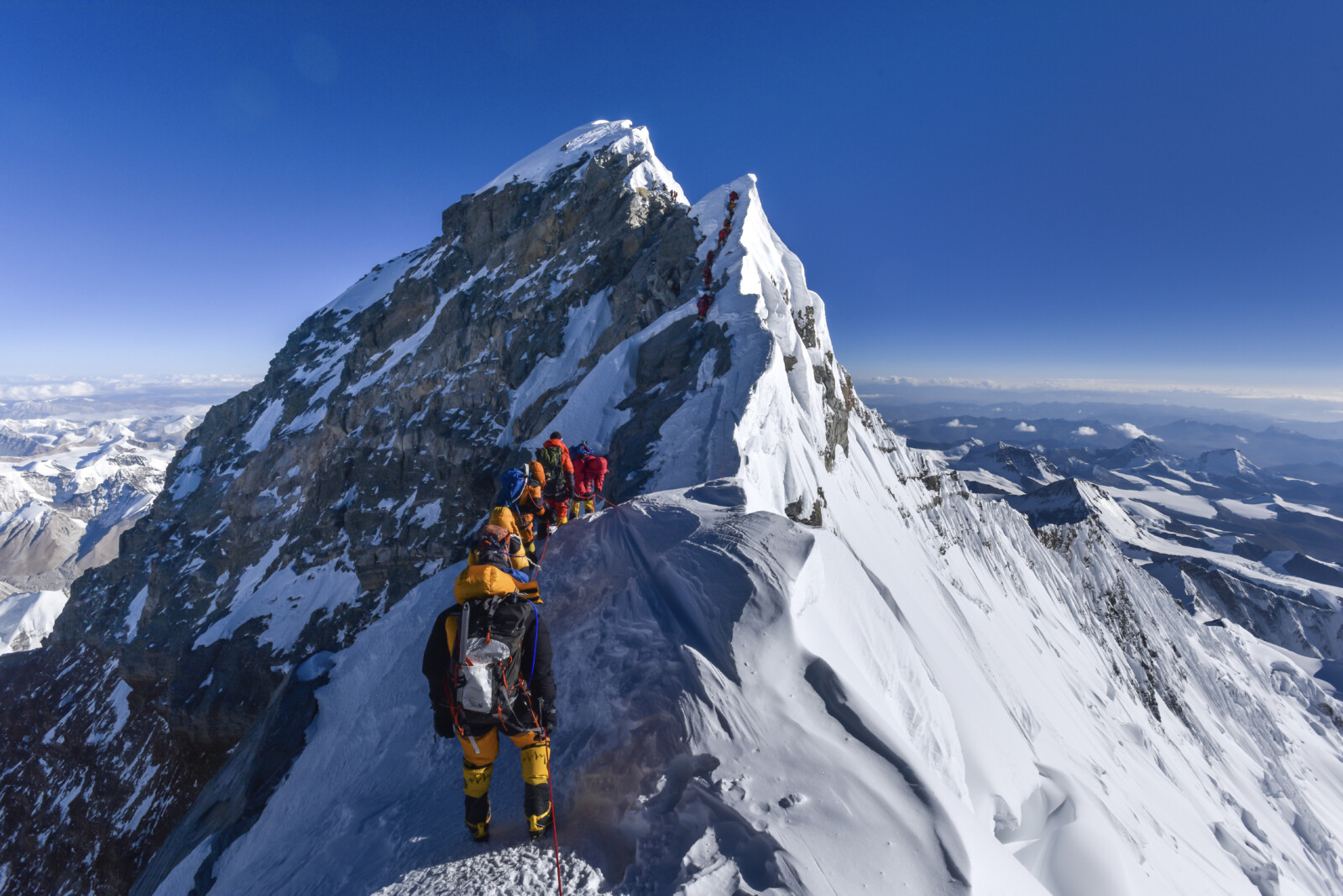
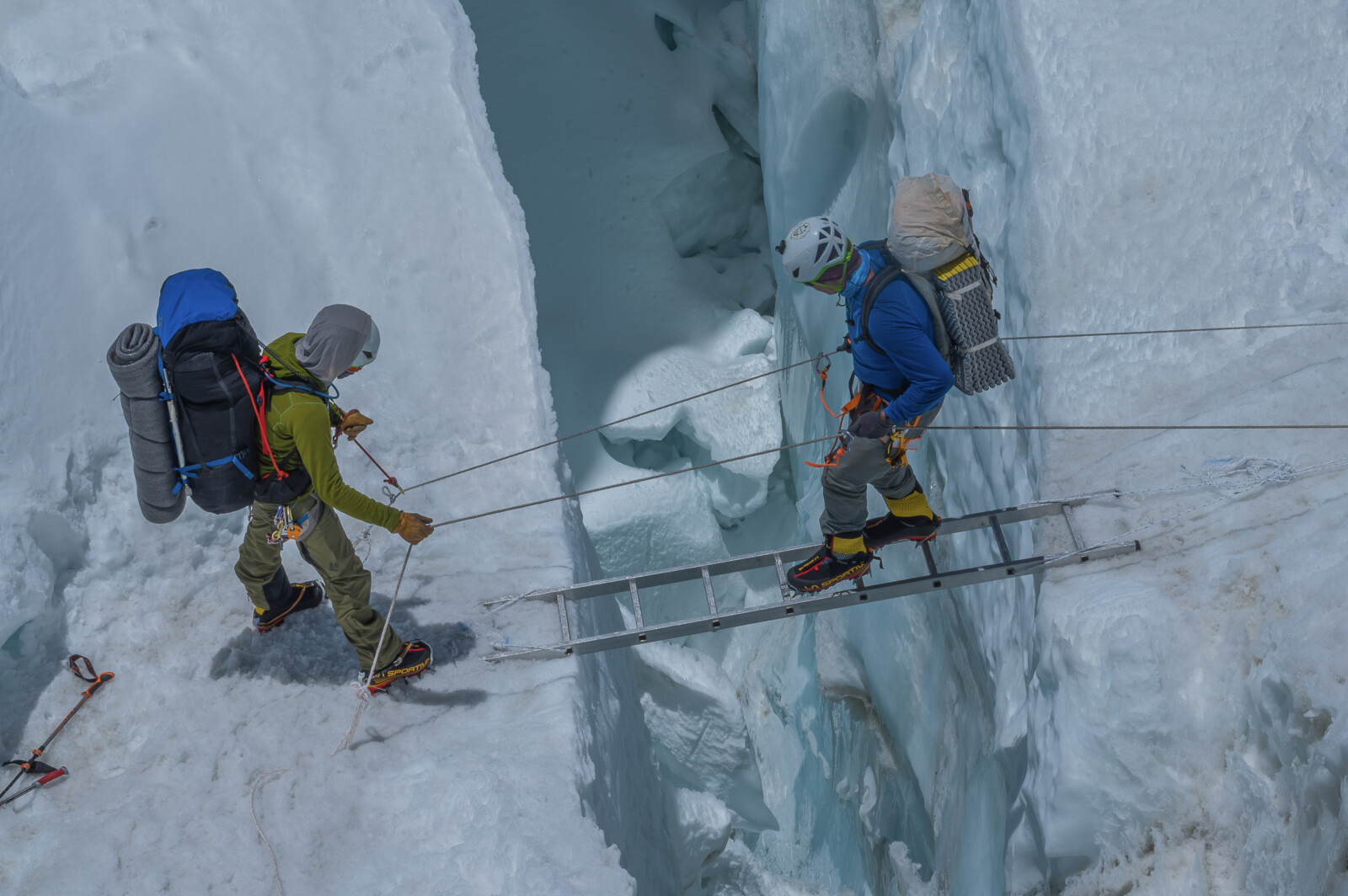
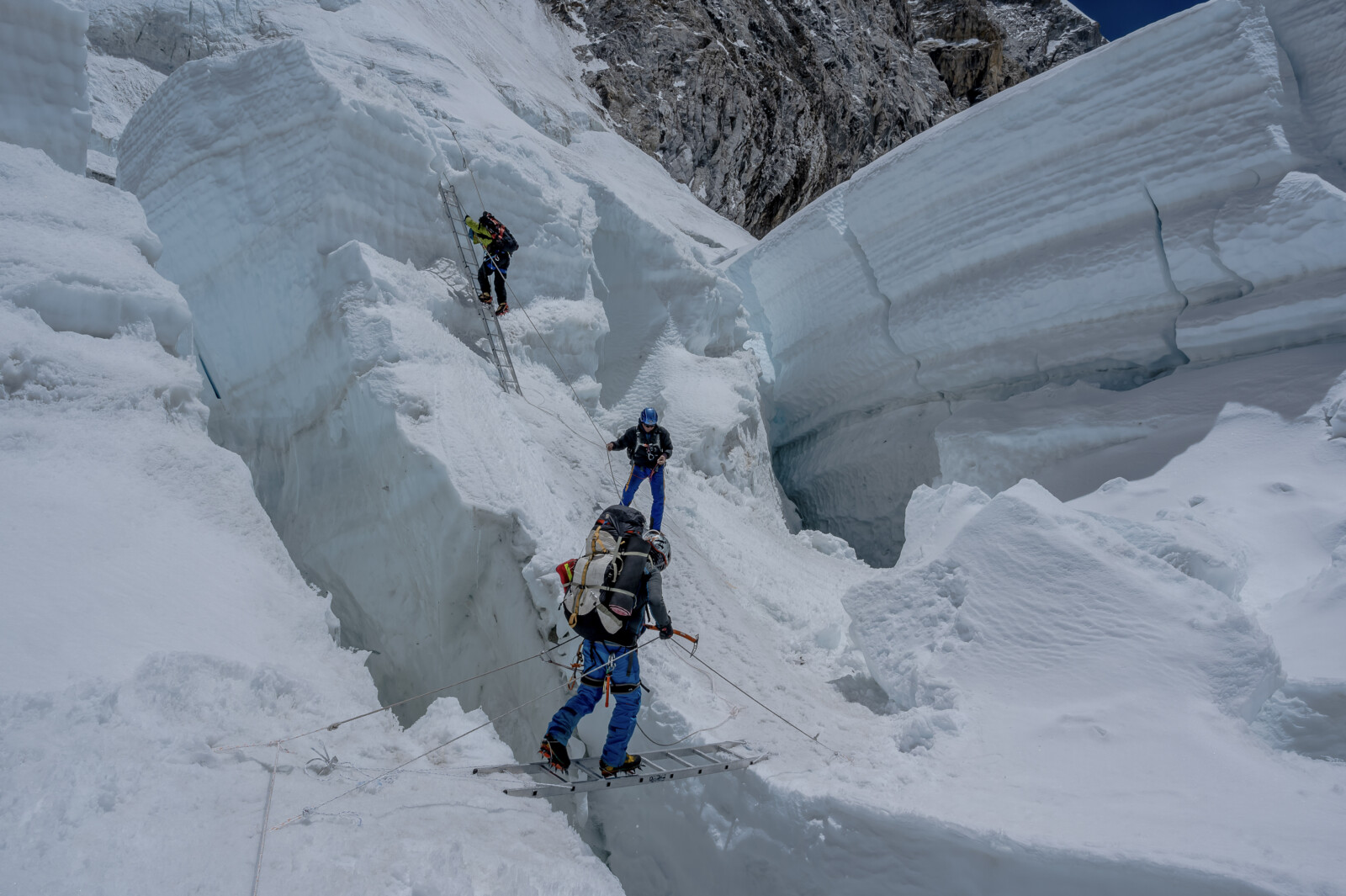
From Base Camp, we move deliberately through the mountain’s classic South Col route: rotations through Camp 1 and Camp 2, followed by a period of recovery before the summit window. Each climber is supported by a 1:1 Sherpa partnership, ensuring pacing, load management, and safety are always individualized.

With small-team flexibility, advanced communications, and the direct guidance of Willie or Damian Benegas, every decision on the mountain is made with clarity and focus.The result is a shorter, smarter, and more human approach to the world’s highest peak — a climb built on trust, science, and precision.

35-Day Sample Itinerary

Day 1–2: Arrive Kathmandu – Yak & Yeti Hotel. Team briefing, gear checks, and logistics review.

Day 3: Helicopter flight to Kothe (3,600 m) – begin pre-acclimatization trek. Easy hike and rest.

Day 4–6: Gradual ascent to Thagnak (4,350 m) with glacier training and acclimatization hikes.

Day 7–9: Climb to high camp and summit Mera Peak (6,476 m) – descend to Khare for recovery.

Day 10: Morning helicopter flight from Mera to Lukla (2,860 m).Start recovery phase — afternoon rest, showers, hearty meals.

Day 11: Full rest day in Lukla. Optional short hike, hydration, and gear prep for Everest.

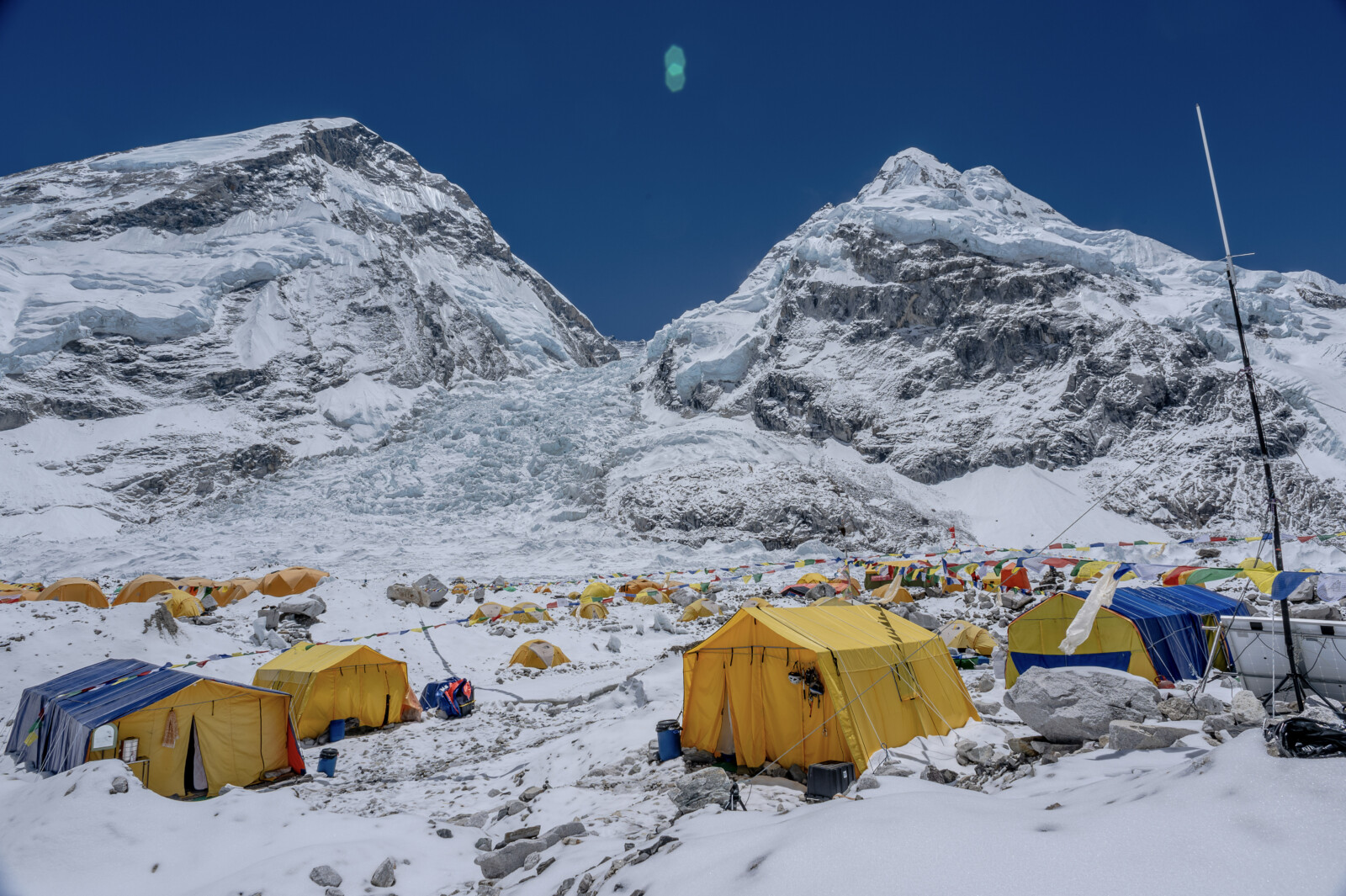
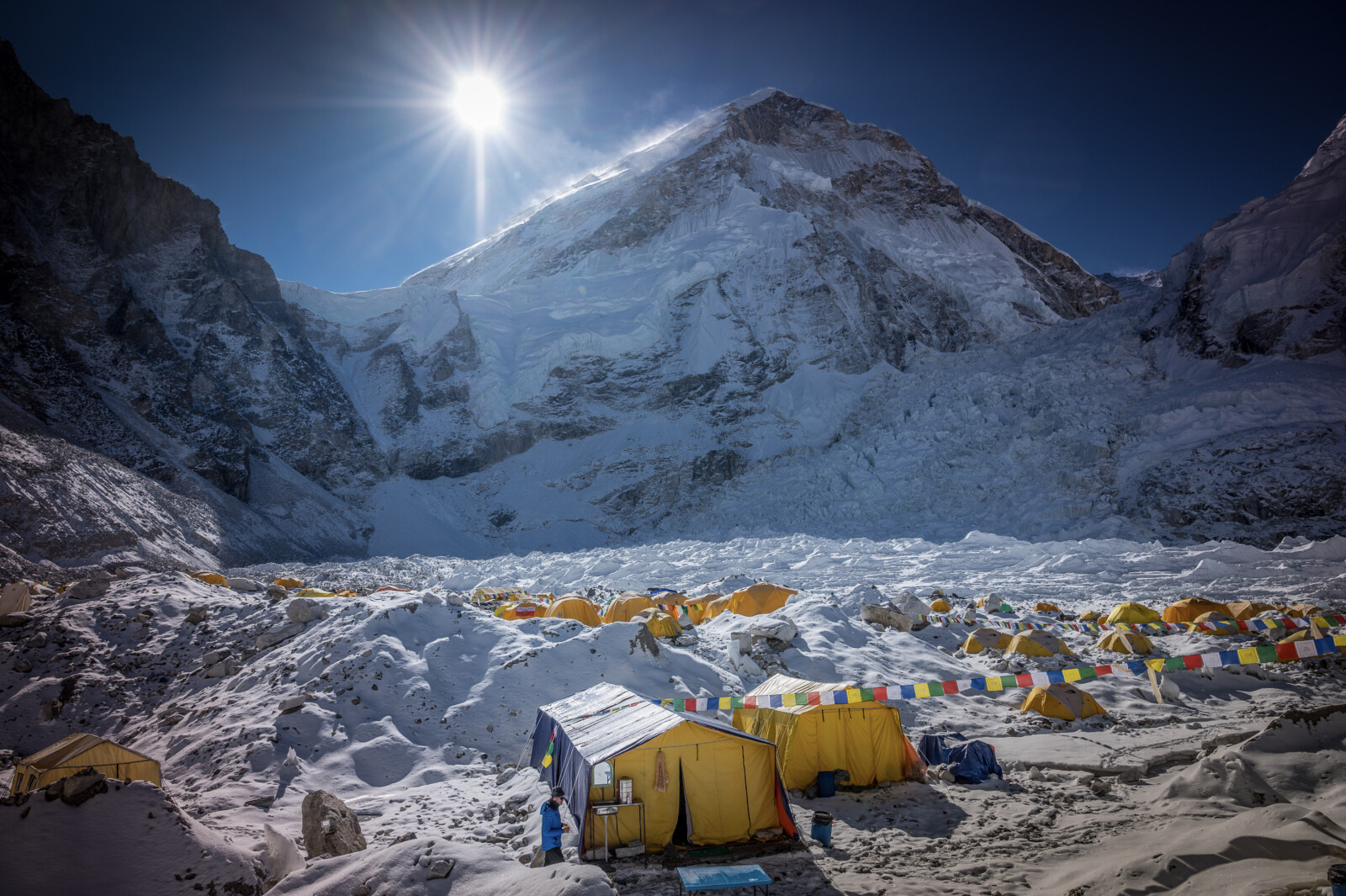
Day 12: Morning helicopter flight to Everest Base Camp (5,350 m).Settle into camp, orientation, and light acclimatization walk.

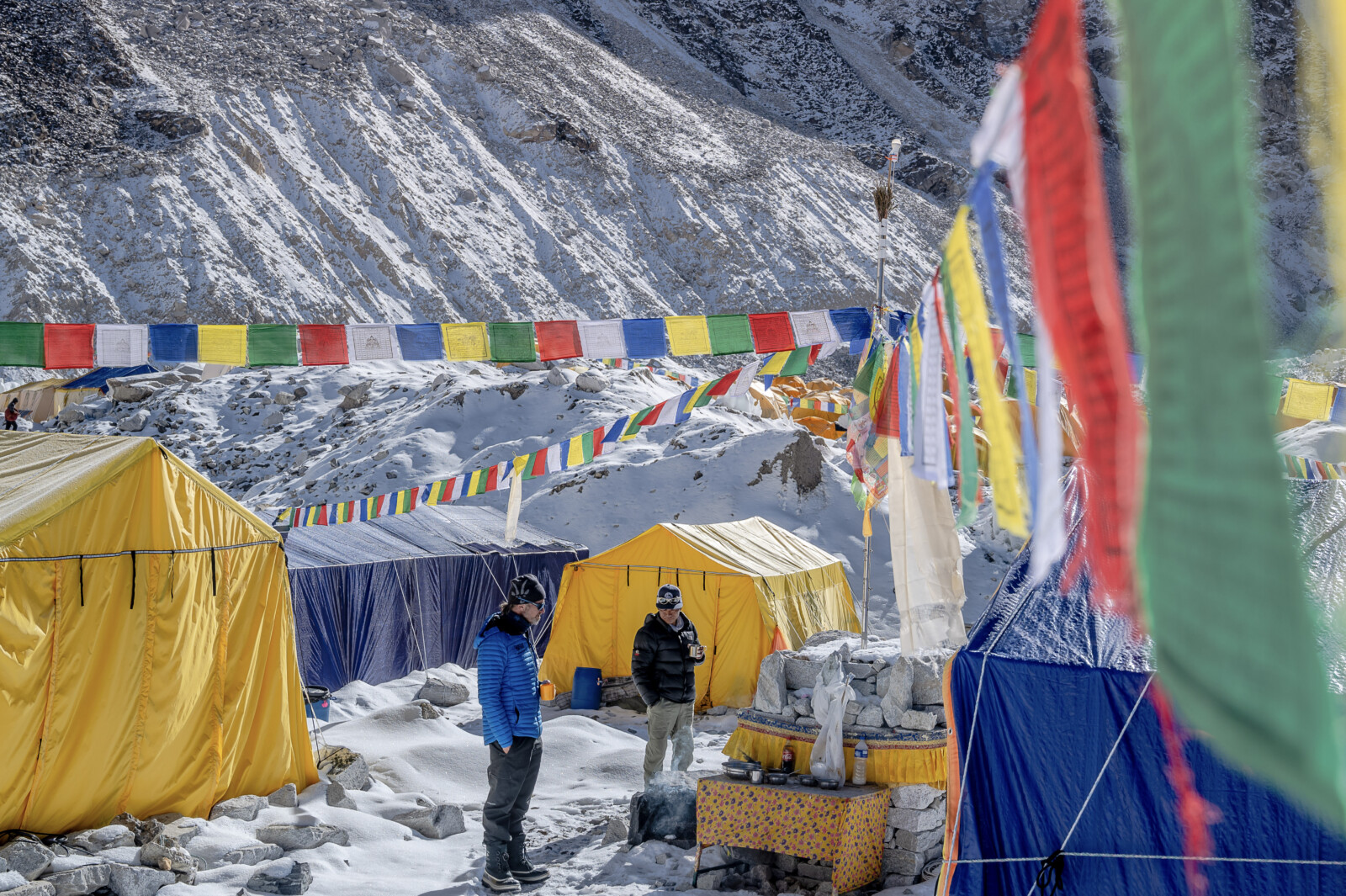
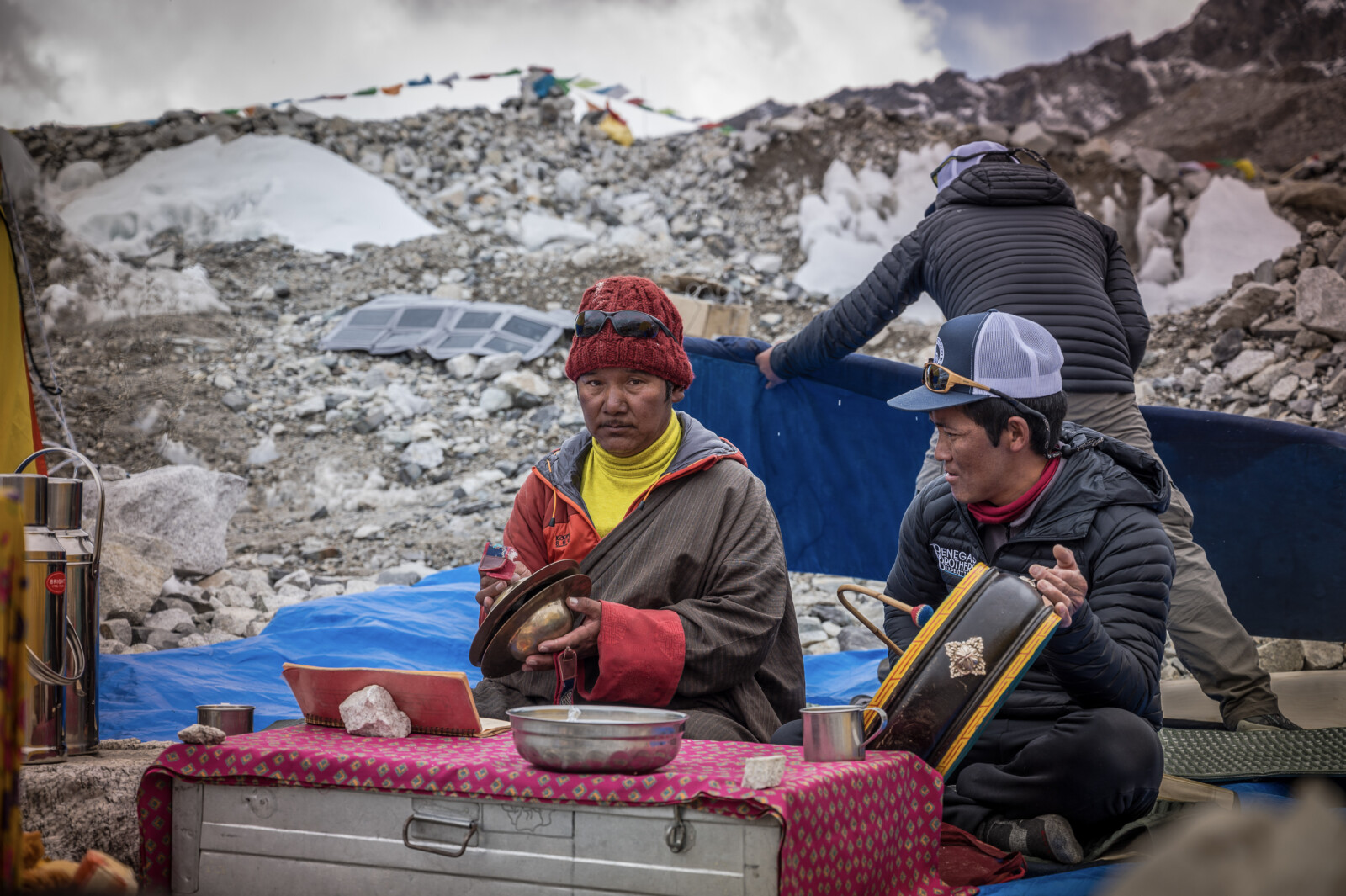
Day 13–15: Active rest – Puja ceremony, glacier skills, and oxygen-system review.

Day 16–20: First rotation through Camp 1 (6,000 m) and Camp 2 (6,400 m) – sleep at C1, tag C2, and descend to EBC.

Day 21–24: Recovery at EBC or optional heli descent to lower valley (Dingboche/Namche) and return.

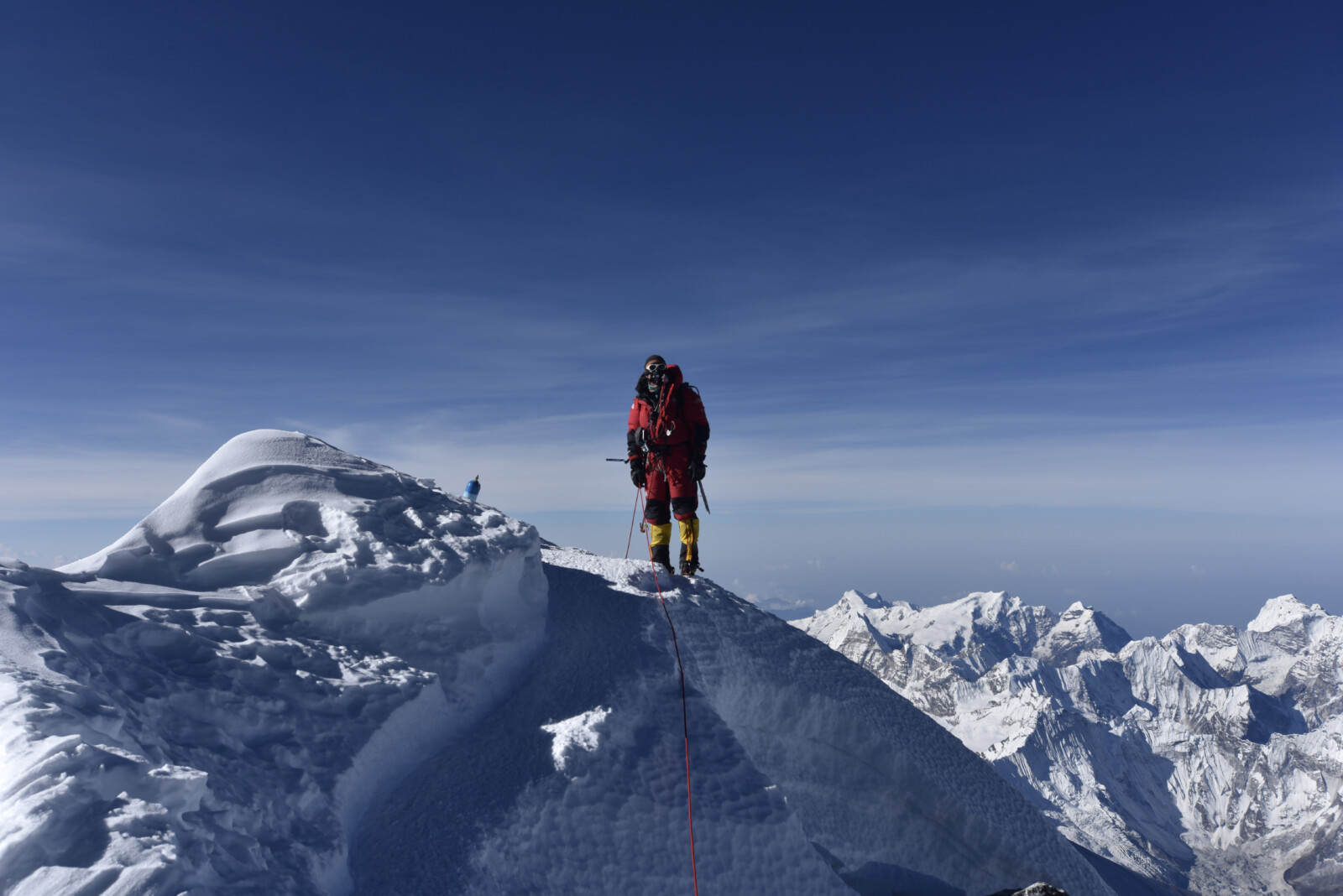
Day 25–33: Summit phase – move through C1 → C2 → C3 → South Col → Summit Everest (8,848 m) → descend safely to EBC.

Day 34: Contingency / celebration day. Helicopter flight back to Kathmandu.

Day 35: Depart Kathmandu.

Investment: $140,000 per person

Your investment reflects the highest standard of personalized Himalayan logistics and guiding guiding. includes:

  • Personalized Hypoxico pre-acclimatization program with full monitoring
  • Medical supervision by high-altitude specialist Dr. Bernabé Abramor
  • Full Mera Peak pre-acclimatization climb (permits, camps, logistics)
  • 1:1 personal Sherpa on Everest
  • All helicopter transfers between expedition phases
  • IFMGA leadership by Willie or Damian Benegas
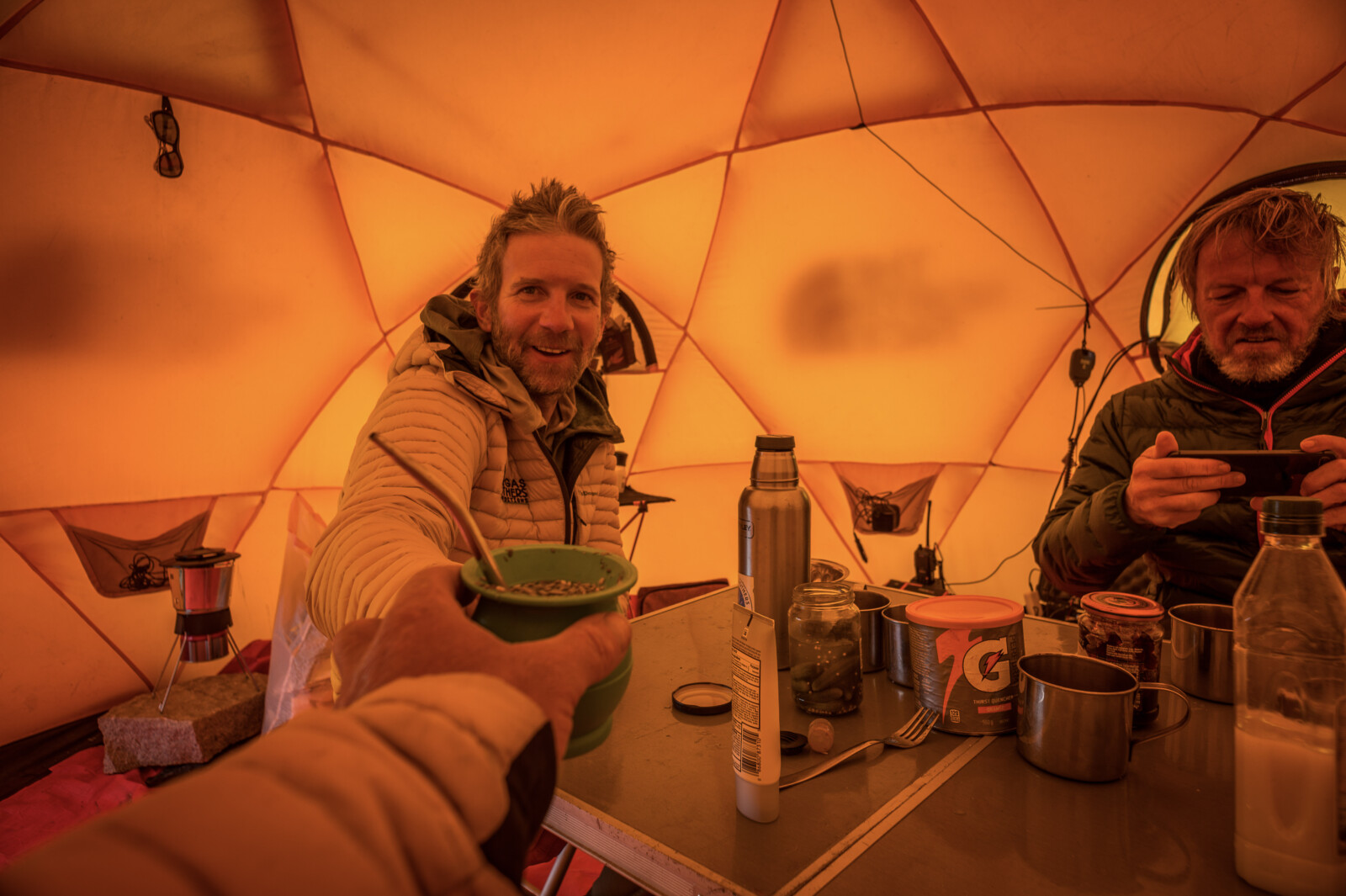
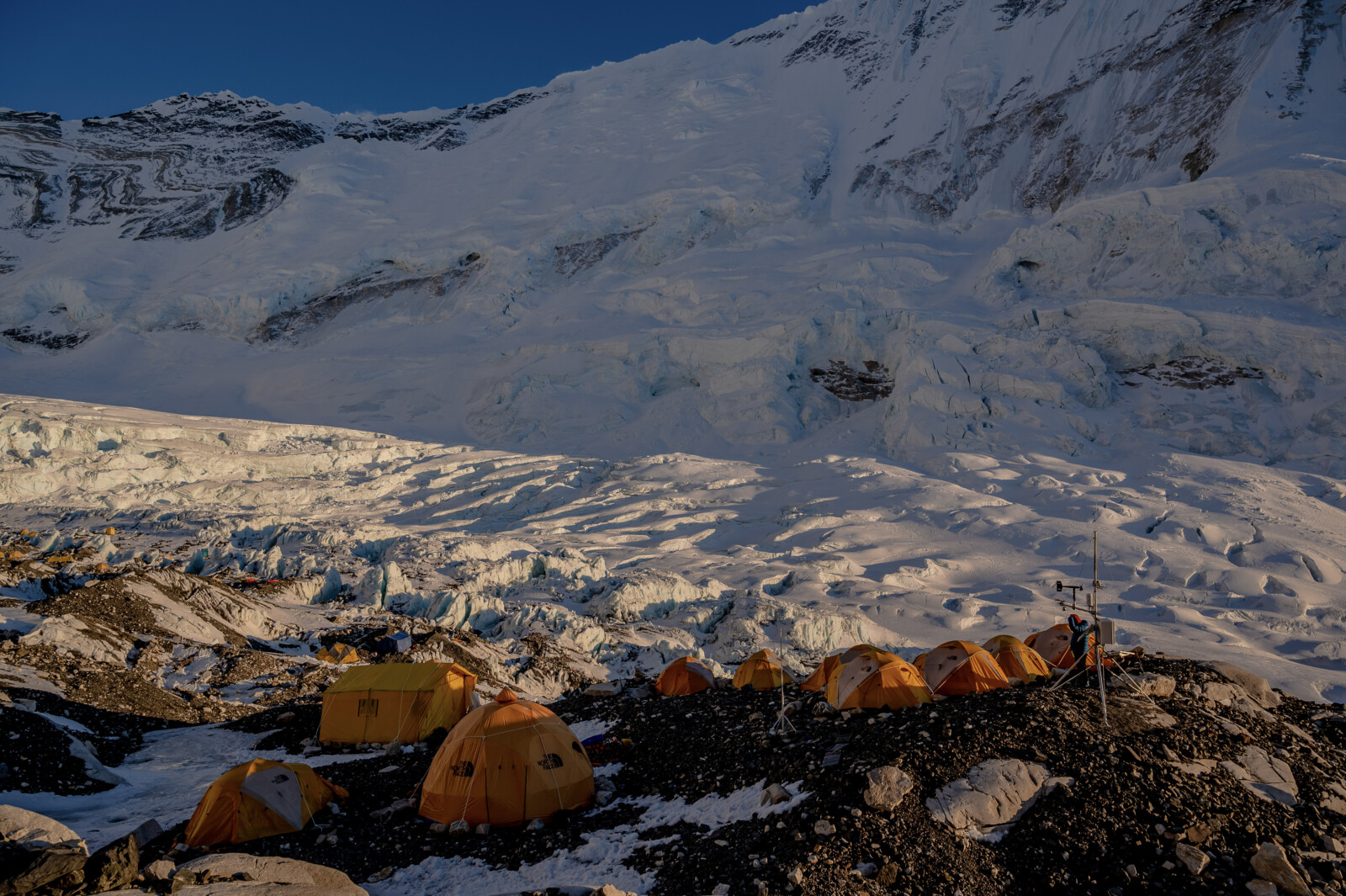
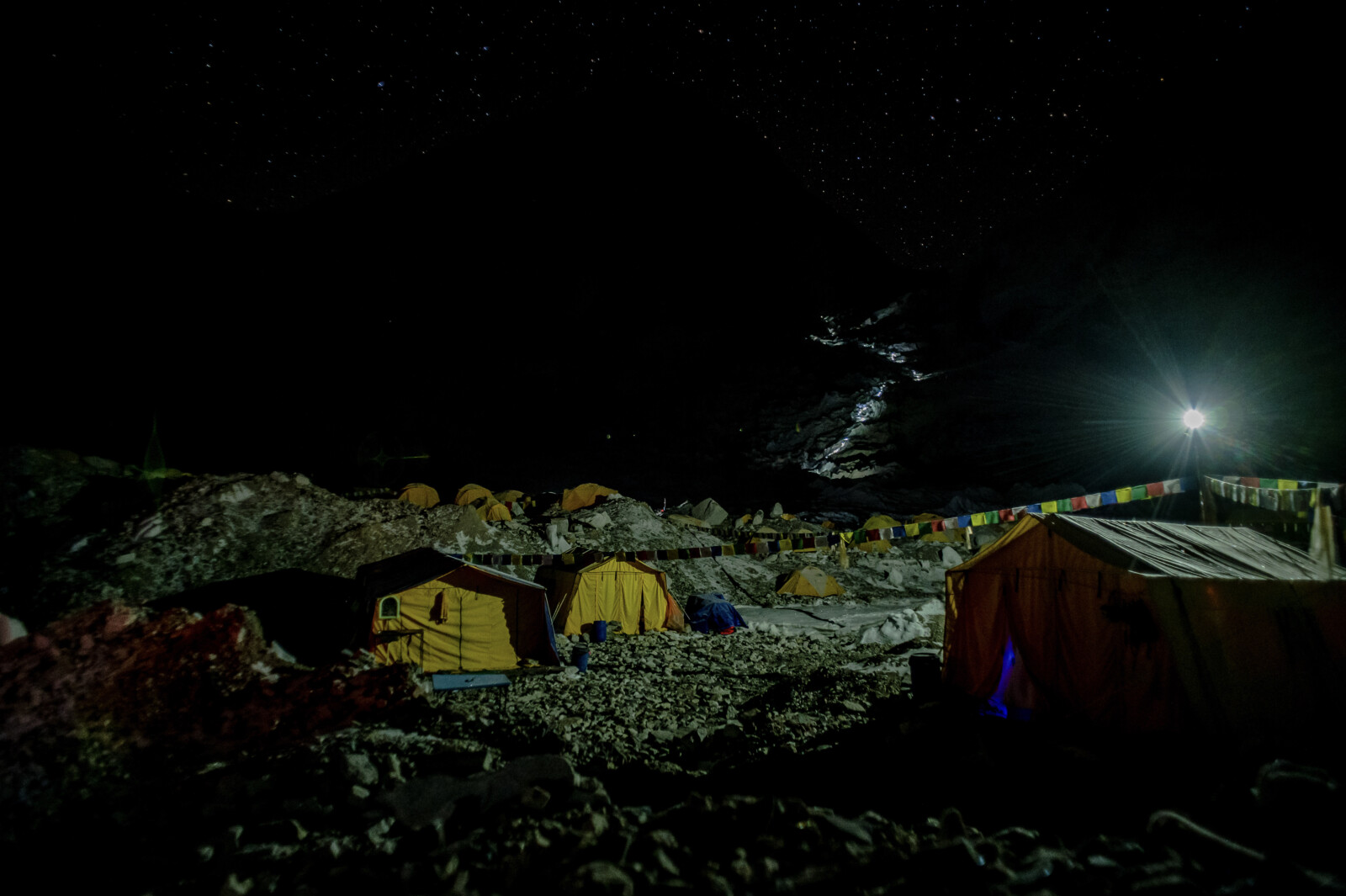
  • Premium Base Camp infrastructure: private tents, heated dining dome, comms & medical systems
  • Complete oxygen system (regulators, masks, cylinders)
  • All permits, hotels, and meals during the expedition

No large teams. No crowd logistics. Just a refined, high-performance ascent led by guides who know Everest firsthand.

Climber Requirements

Fitness

Climbers must be in exceptional physical condition to join this expedition. High-altitude performance demands endurance, strength, and resilience — there is simply no substitute for consistent, structured training.We recommend a dedicated fitness program focused on long-duration aerobic output, loaded uphill travel, and core strength. Regular, challenging exercise for at least six months before departure is essential. Working with a personal trainer or altitude-specific coach (such as Uphill Athlete) is strongly advised to ensure you arrive fully prepared.Please contact us if you would like personalized training guidance from our team.

Technical Experience

Participants must be capable of climbing moderate alpine terrain on rock, ice, and snow while carrying a pack at altitude. You should be confident in fixed-rope travel, crampon and ice axe technique, and efficient movement in exposed environments.Previous ascents of multiple 6,000–7,000 m peaks are required, and prior experience on at least one high-altitude expedition such as Aconcagua, Denali, or Cho Oyu is highly recommended.All climber resumes are personally reviewed by Willie and Damian Benegas to ensure both team cohesion and individual readiness.

Altitude Experience

Climbers must demonstrate strong, proven performance at altitude and the ability to recover well during multi-day efforts above 6,000 m.Our Everest Peak Performance model is designed for experienced alpinists, not first-time high-altitude trekkers.Previous climbs to 7,000 m or higher provide critical experience in oxygen management, pacing, and recovery — essential skills for an 8,000 m ascent.Each climber’s experience is carefully reviewed by Willie, Damian, and Dr. Bernabé Abramor to ensure safety, compatibility, and readiness for high-altitude performance.

Preparation Timeline

Success on Everest begins months before setting foot in Nepal.Our Peak Performance approach combines structured training, altitude pre-acclimatization, and medical guidance to ensure every climber arrives physically and physiologically ready for the mountain.

6+ Months Before Departure – Build the Foundation

  • Begin a structured endurance and strength program focused on aerobic capacity, core stability, and leg endurance.
  • Include consistent back-to-back training days and long-duration hikes with a loaded pack.
  • If possible, climb or ski mountaineer at altitude to practice sustained movement on snow and mixed terrain.
  • Discuss your training plan with Willie or Damian Benegas for individualized feedback.

3–4 Months Before Departure – Transition to Performance Training

  • Increase weekly training volume, focusing on long climbs, weighted ascents, and recovery.
  • Integrate high-intensity sessions to simulate exertion at altitude.
  • Begin Hypoxico pre-acclimatization program under the guidance of Dr. Bernabé Abramor and the Benegas Brothers team.
  • Maintain consistent nutrition, hydration, and sleep routines to optimize adaptation.

1–2 Months Before Departure – Altitude Adaptation & Final Readiness

  • Continue your Hypoxico altitude sessions to achieve maximum acclimatization benefit.
  • Focus on recovery, mobility, and mental preparation — tapering volume but maintaining quality.
  • Conduct full gear checks and finalize expedition logistics with our support team.
  • Schedule a final readiness review with Willie or Damian to confirm acclimatization progress and fitness level.

2 Weeks Before Departure – Recovery & Travel Readiness

  • Allow your body to fully rest and stabilize red blood cell production before travel.
  • Maintain light activity and altitude simulation sessions as recommended by Dr. Bernabé.
  • Pack, review expedition protocols, and prepare mentally for the journey ahead.

At Departure

Arrive confident, well-prepared, and fully acclimatized — ready to climb Mera Peak and step into the Khumbu with energy, focus, and trust in the process.

The Benegas Brothers Difference

For over 25 years, Willie and Damian Benegas have defined professionalism and trust in high-altitude guiding.From the Andes to the Himalaya, their philosophy is simple:Small teams. Real preparation. Informed decision-making.

This is Everest redefined for modern climbers — where experience, efficiency, and authenticity come together.

Accelerated. Smart. Real.

A 35-day climb for modern alpinists

Authentic acclimatization on Mera Peak, strategic recovery in Lukla, and a precision-guided ascent of the world’s highest mountain.Led personally by Willie or Damian Benegas, with full medical oversight by Dr. Bernabé Abramor.

Book Trip
Location:
Nepal
Group:
Maximum 4 climbers per team
Duration:
35 days
Skill:
Advanced
Pricing

Pricing is a typical estimate, final quote will be provided after receiving your inquiry.

A 35-day climb for modern alpinists

Authentic acclimatization on Mera Peak, strategic recovery in Lukla, and a precision-guided ascent of the world’s highest mountain.Led personally by Willie or Damian Benegas, with full medical oversight by Dr. Bernabé Abramor.