Global Expeditions South America

Bolivia Alpine Expedition

13 + 5 day extension Group: 8 people From $5,400 per Person

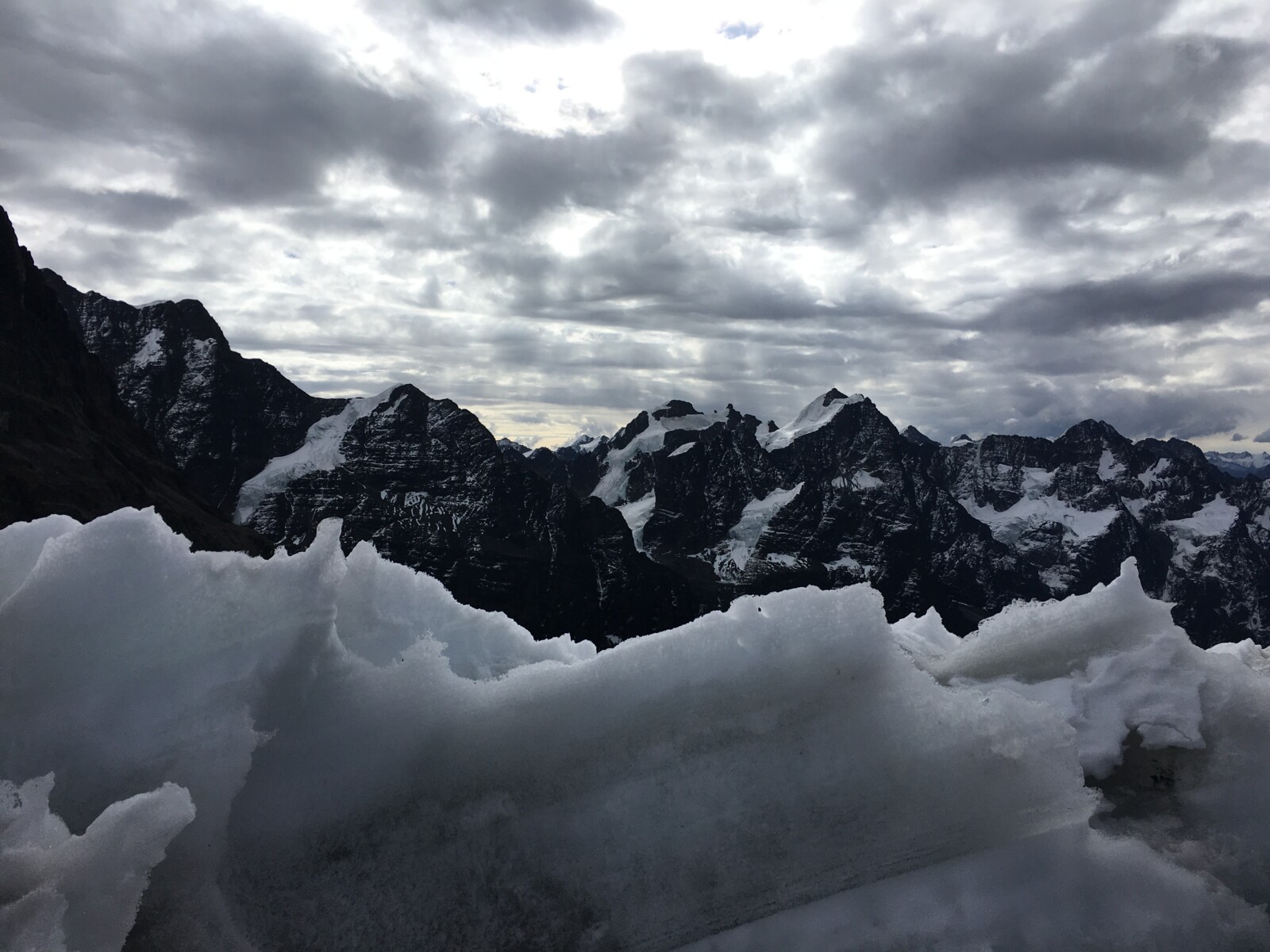
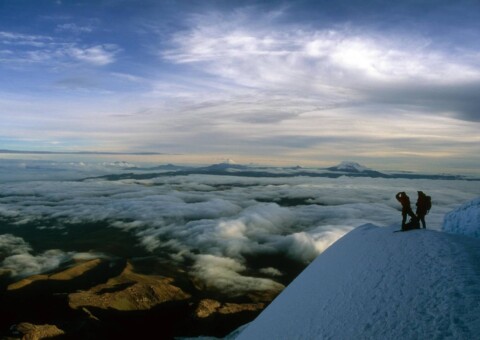
Bolivia is one of the great hidden gems of international mountaineering. While neighboring countries draw larger crowds, Bolivia offers dramatic glaciers, high summits, authentic Andean culture, and exceptional climbing — without the commercial feel. Over 12 days, you climb multiple classic objectives — progressing from technical training summits in the Condoriri massif to the glacier slopes of Huayna Potosi, one of the most famous 6,000-meter peaks in the Andes. The Cordillera Real (wikipedia.org/wiki/Cordillera_Real) is a world-class alpine range that rewards climbers who are serious about their craft.

The Peaks

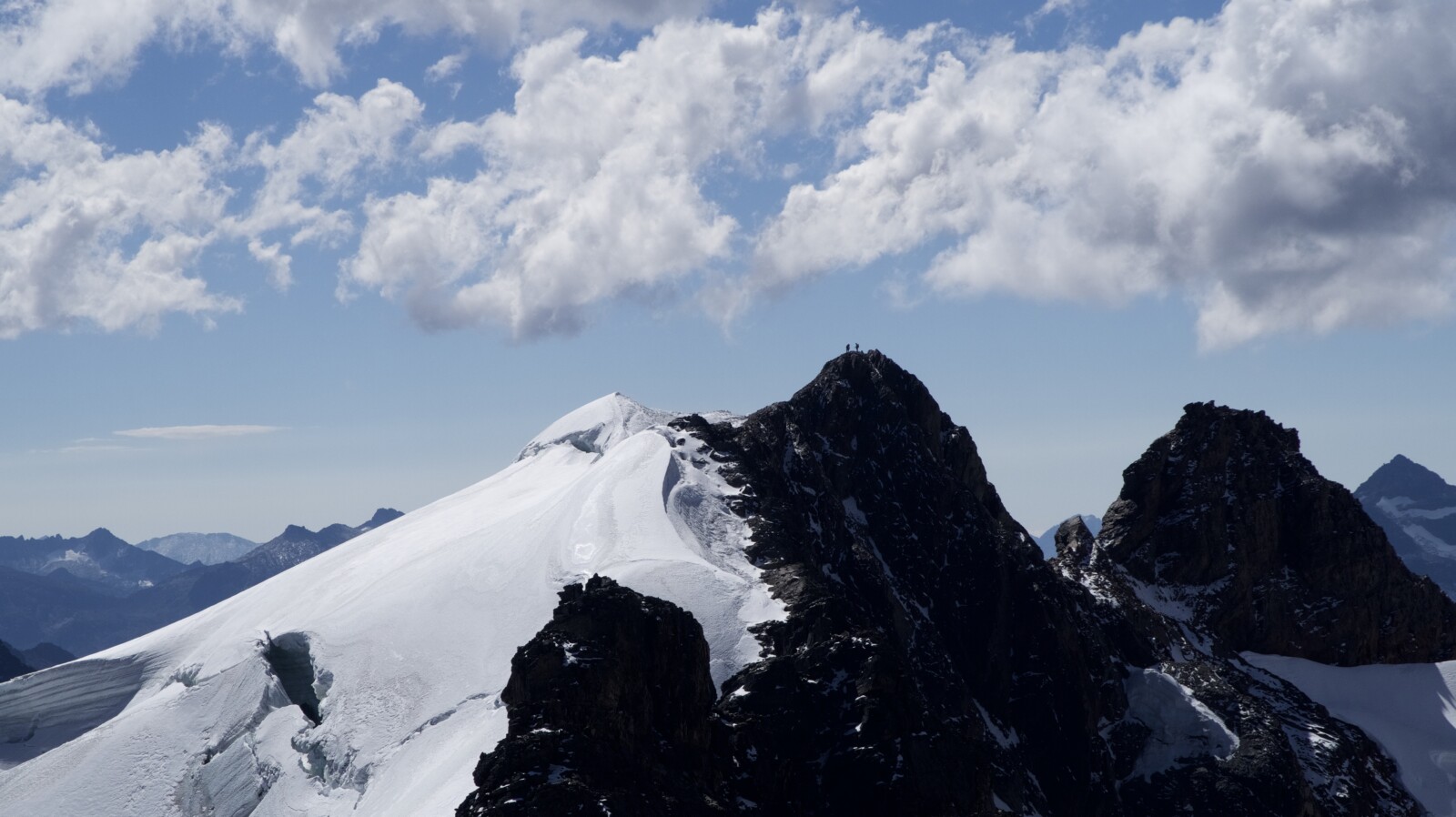
Piramide Blanca (5,350 m / 17,552 ft)  —  Your first alpine objective in the Condoriri region. An ideal acclimatization summit with rewarding views across the range.

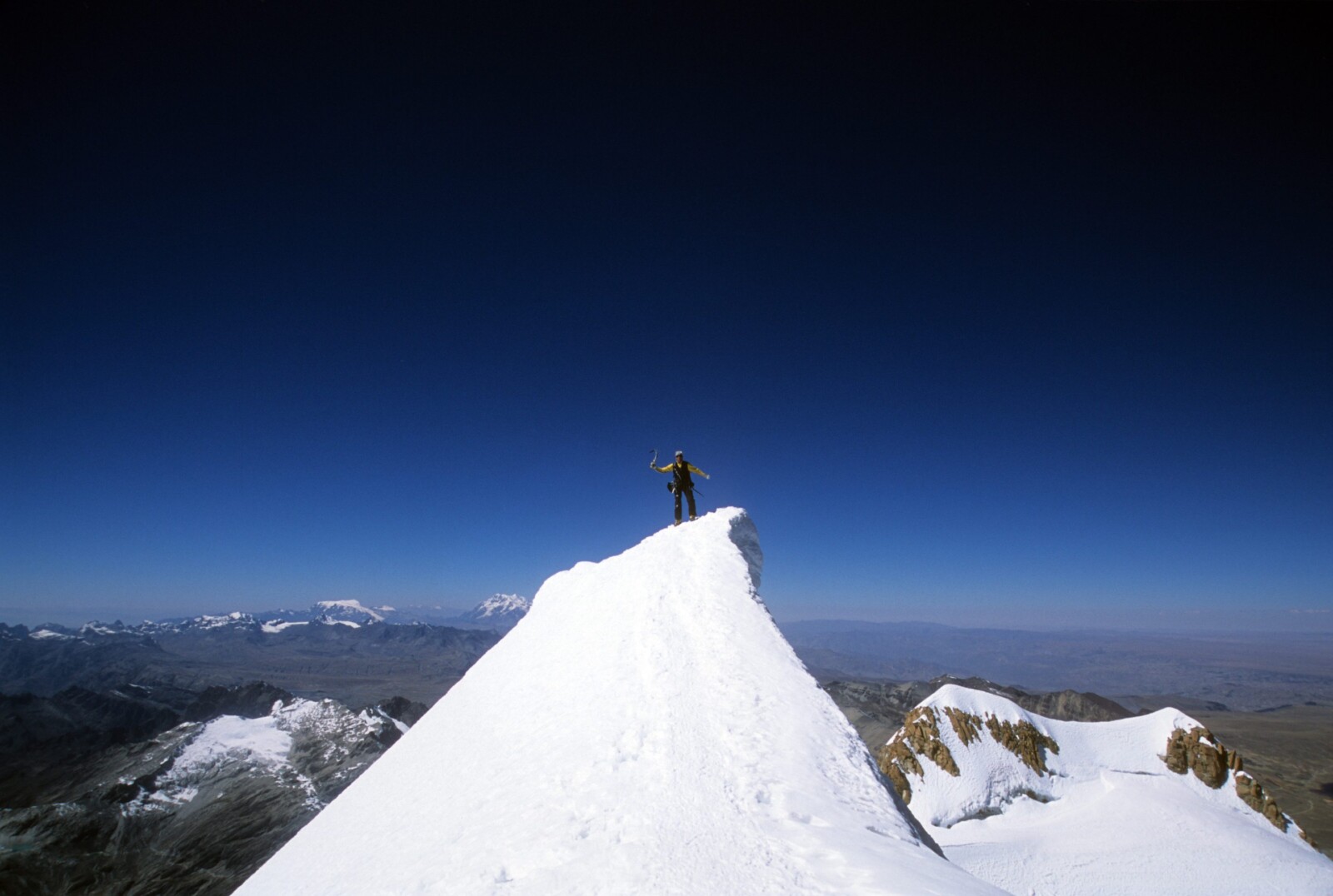
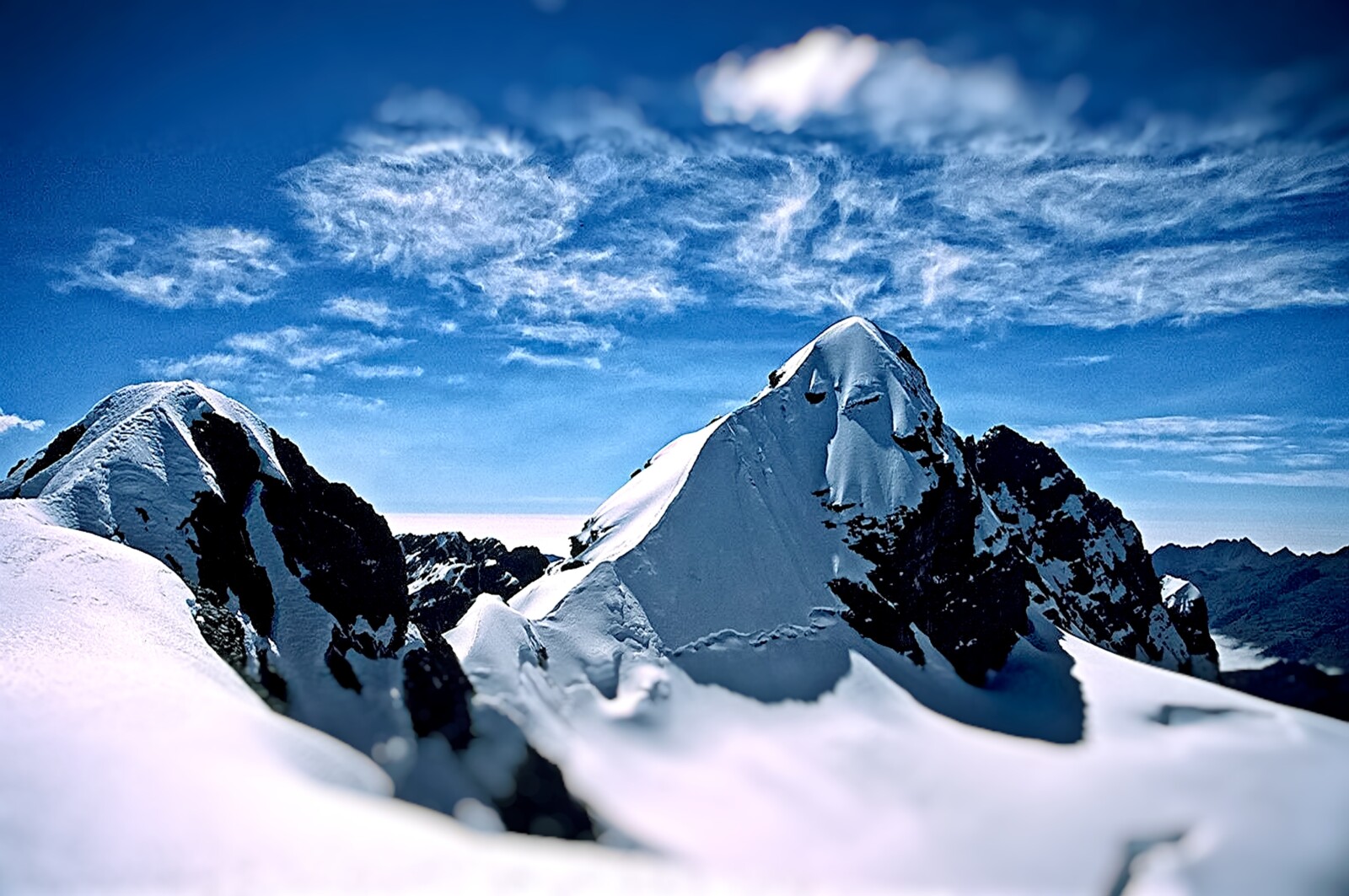
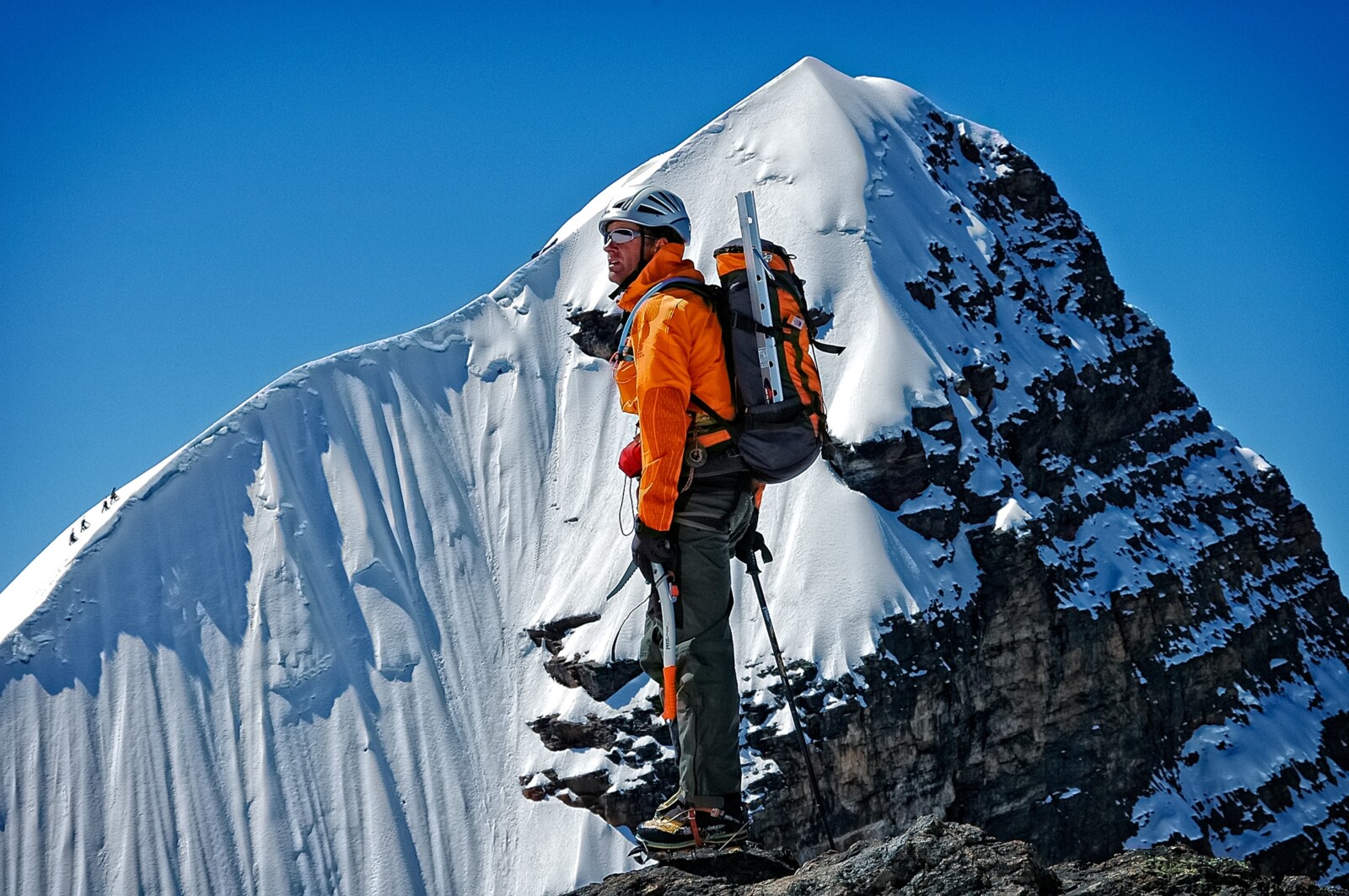
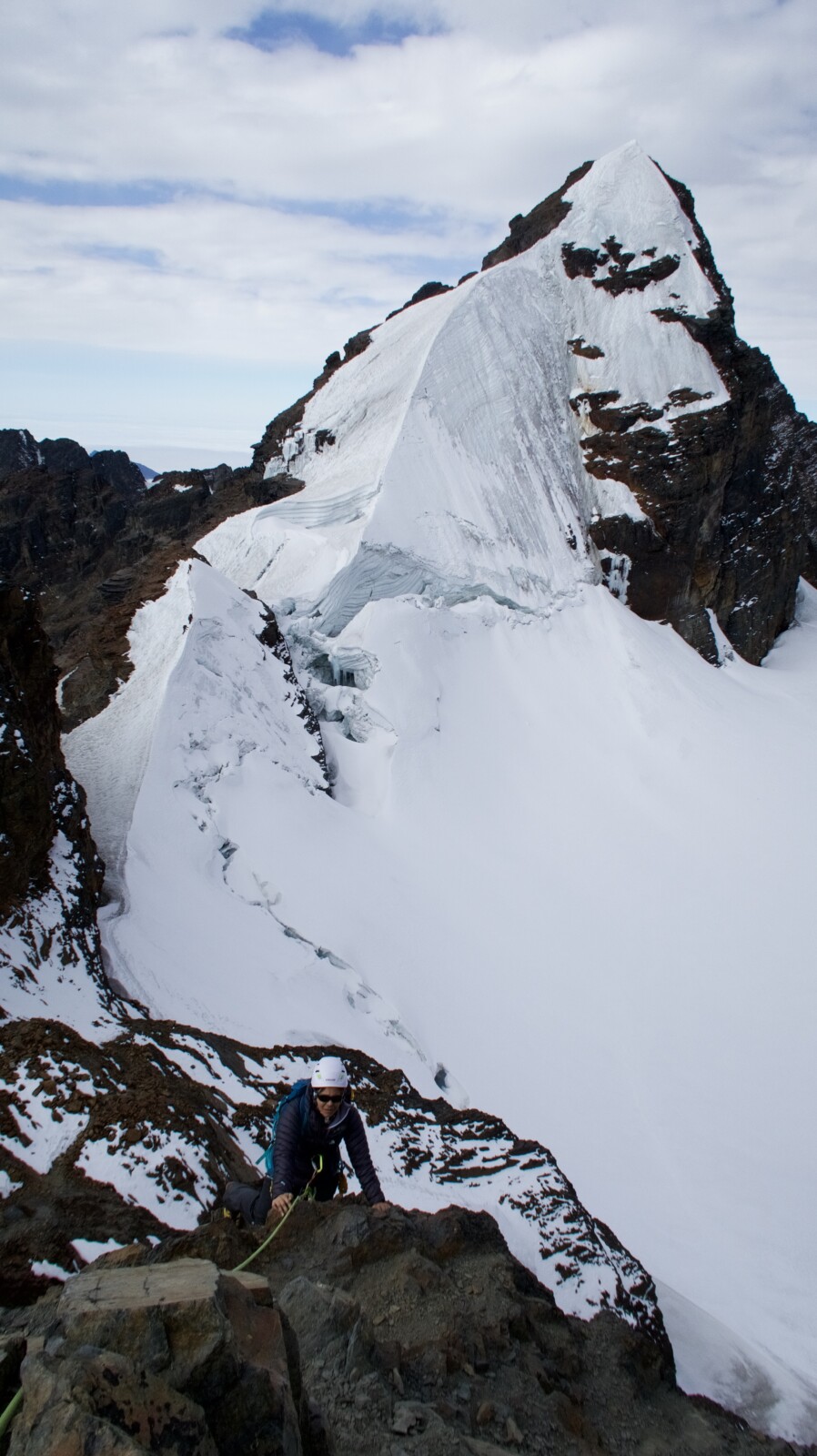
Pequeno Alpamayo (5,370 m / 17,618 ft)  —  One of the most beautiful peaks in Bolivia. A dramatic summit ridge with real exposure and serious alpine character.

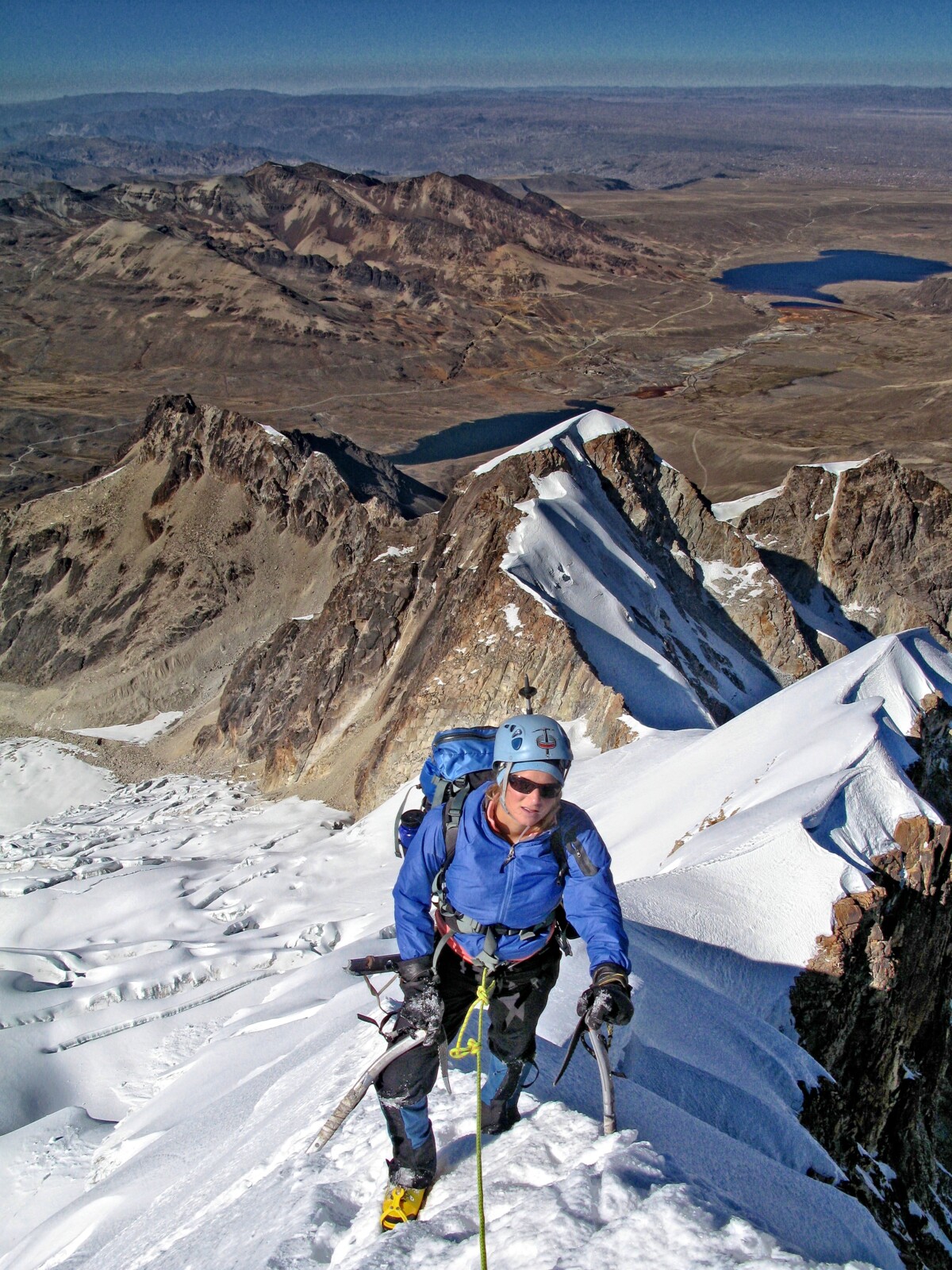
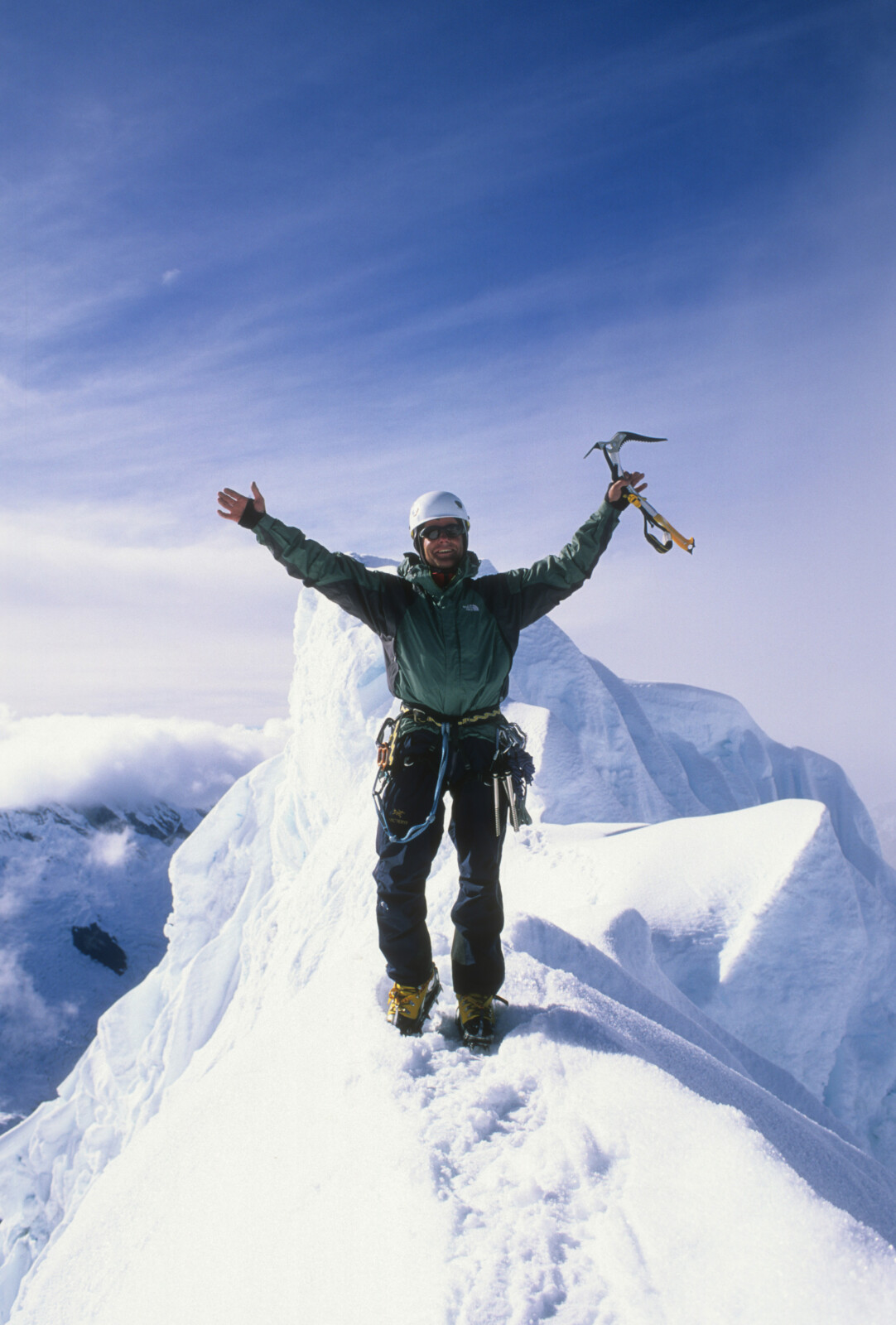
Huayna Potosi (6,088 m / 19,974 ft)  —  The marquee summit. Bolivia’s most-climbed 6,000-meter peak, featuring glacier travel, a steep final ridge, and panoramic views stretching toward the Amazon basin.

Optional Illimani Extension  ·  +5 Days  ·  +$1,250 USD

For climbers ready to push further, we offer a 5-day extension to Illimani (6,438 m / 21,122 ft) — the iconic mountain that stands guard over La Paz and one of South America’s most celebrated summits. With acclimatization already earned through the core program, many climbers are in a strong position to attempt it. This turns a 12-day program into a complete Bolivian mountaineering experience.

Small Teams. Better Experience.

Every BBE Bolivia expedition runs with a 2:1 client-to-guide ratio. Maximum 4 climbers per team. Small teams move faster, communicate better, and allow guides to closely monitor each climber’s acclimatization, energy, and technical progression. It also means a calmer mountain environment and a more personal experience. For anyone using this as preparation for Aconcagua, Denali, or a Himalayan objective, the Is This Trip for Me? section has a full breakdown of requirements.

More Than Just Climbing

Bolivia is also a cultural journey. From the streets and markets of La Paz to the shores of Lake Titicaca (visitbolivia.travel) and the glaciers of the Cordillera Real, the country adds depth and meaning to the experience. We build the itinerary to let you absorb the place — not just pass through it.

Built by the Benegas Brothers

Every detail of this expedition — pace, acclimatization flow, summit sequence, logistics, and equipment standards — has been shaped by Willie and Damian Benegas through decades of guiding in the Andes, Himalaya, Alaska, and the world’s great ranges. The program is delivered by our professional guide team, held to the same standards. See the [→ Dates & Prices] section to check current availability.

Welcome to La Paz, Bolivia! Upon arrival at El Alto International Airport (13,323 ft./4,061 m)—the world’s highest international airport—we’ll descend from the high-altitude plateau, or altiplano, into the vibrant city of La Paz, nestled in a dramatic bowl-like valley at 11,975 ft. (3,650 m). As the world’s highest capital city, La Paz offers a unique mix of breathtaking landscapes and cultural charm, with rugged canyon walls dotted with buildings that seem to defy gravity.

Our first day will focus on acclimatizing and immersing ourselves in Bolivia’s vibrant atmosphere. We’ll take in panoramic views of the Cordillera Real, or Royal Range, on a scenic ride aboard the world’s longest and highest urban cable car system. A city tour will give us a glimpse into the heart of La Paz, while an equipment check and orientation at the hotel will prepare us for the days ahead. We’ll spend the night at our hotel in La Paz (11,810 ft./3,600 m), ready to embark on an unforgettable journey in the Andes.

Today, we set off from La Paz on a scenic 4-hour drive to the legendary shores of Lake Titicaca, accompanied by a knowledgeable cultural guide. Our journey takes us to Copacabana (12,546 ft./3,825 m), a picturesque town renowned for its rich cultural heritage, stunning lakefront, and status as both a resort destination and a spiritual pilgrimage site.

From Copacabana, we’ll board a motorboat for a 1.5-hour journey across the sparkling waters to Pilkokaina, the historic site of an Inca Temple located on the southern tip of Sun Island (Isla del Sol). Upon arrival, we’ll enjoy a late lunch with panoramic lake views before exploring the ancient temple grounds.

Our day continues with a gentle hike to Ecolodge PallaKasa, where we’ll check in for an overnight stay. As evening approaches, we’ll hike to the island’s highest point (13,350 ft./4,070 m) to witness a breathtaking sunset over Lake Titicaca, casting vibrant colors across the expansive waters. Afterward, we return to Ecolodge PallaKasa for a cozy dinner and a restful night, surrounded by the tranquility of Bolivia’s most sacred lake.

We start our day with an early hike to the enchanting “Garden of the Incas,” where we’ll visit a natural spring revered by locals as a fountain of youth. Afterward, we board our boat back to Copacabana, where we’ll wander through the vibrant Indian market and visit the iconic church of Copacabana Town.

From here, we begin our drive toward the majestic Andean mountains, stopping for a scenic lunch along the way. The journey leads us to Rinconada del Cuchi (4,450 m), our gateway to the stunning Condoriri mountain range. At the Rinconada campsite, which doubles as the trailhead for the Condoriri base camp hike, we settle in and prepare for an afternoon acclimatization hike. This peaceful hike helps us adjust to the altitude, setting the stage for the exciting days of exploration in the high Andes.

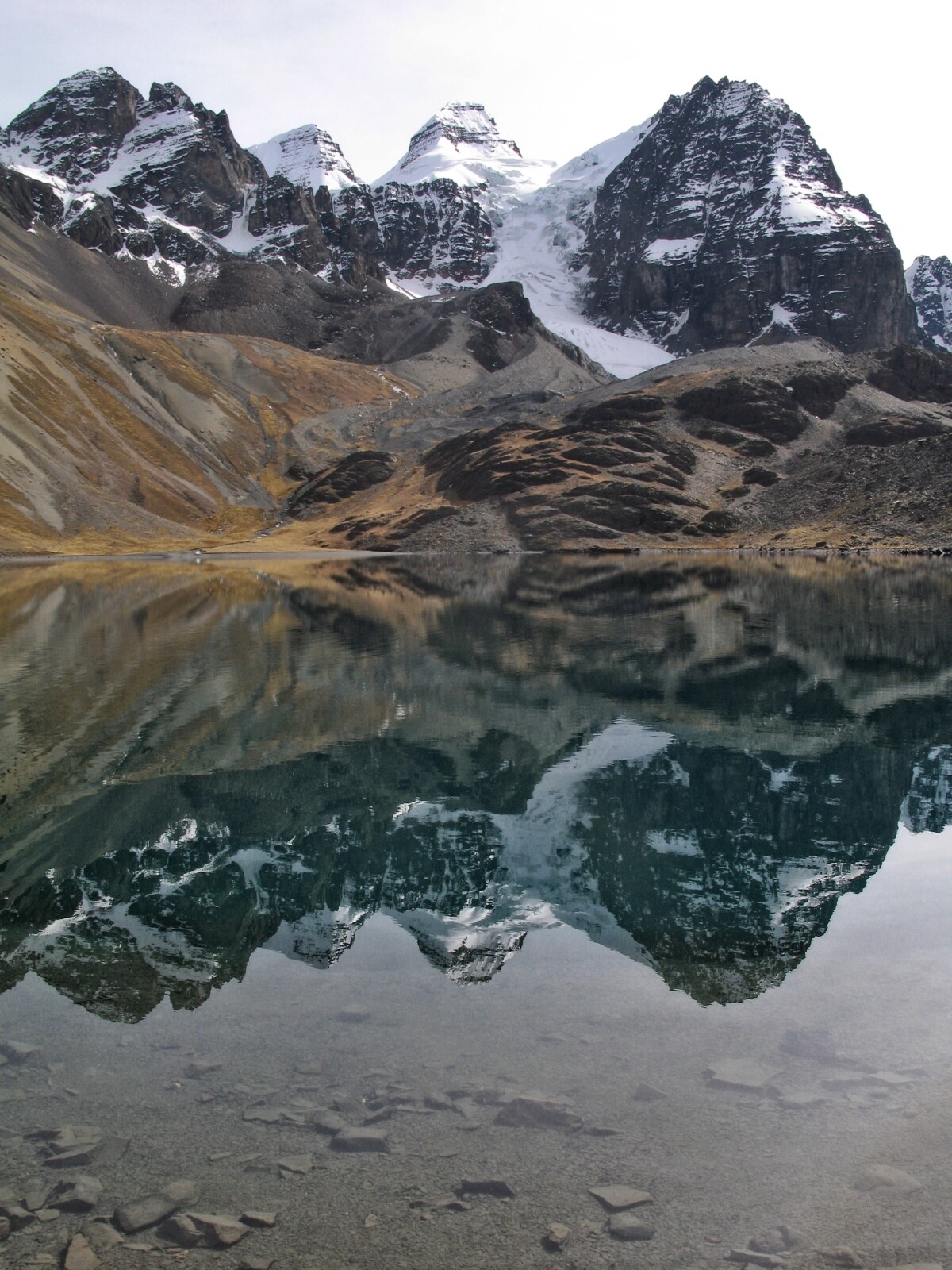
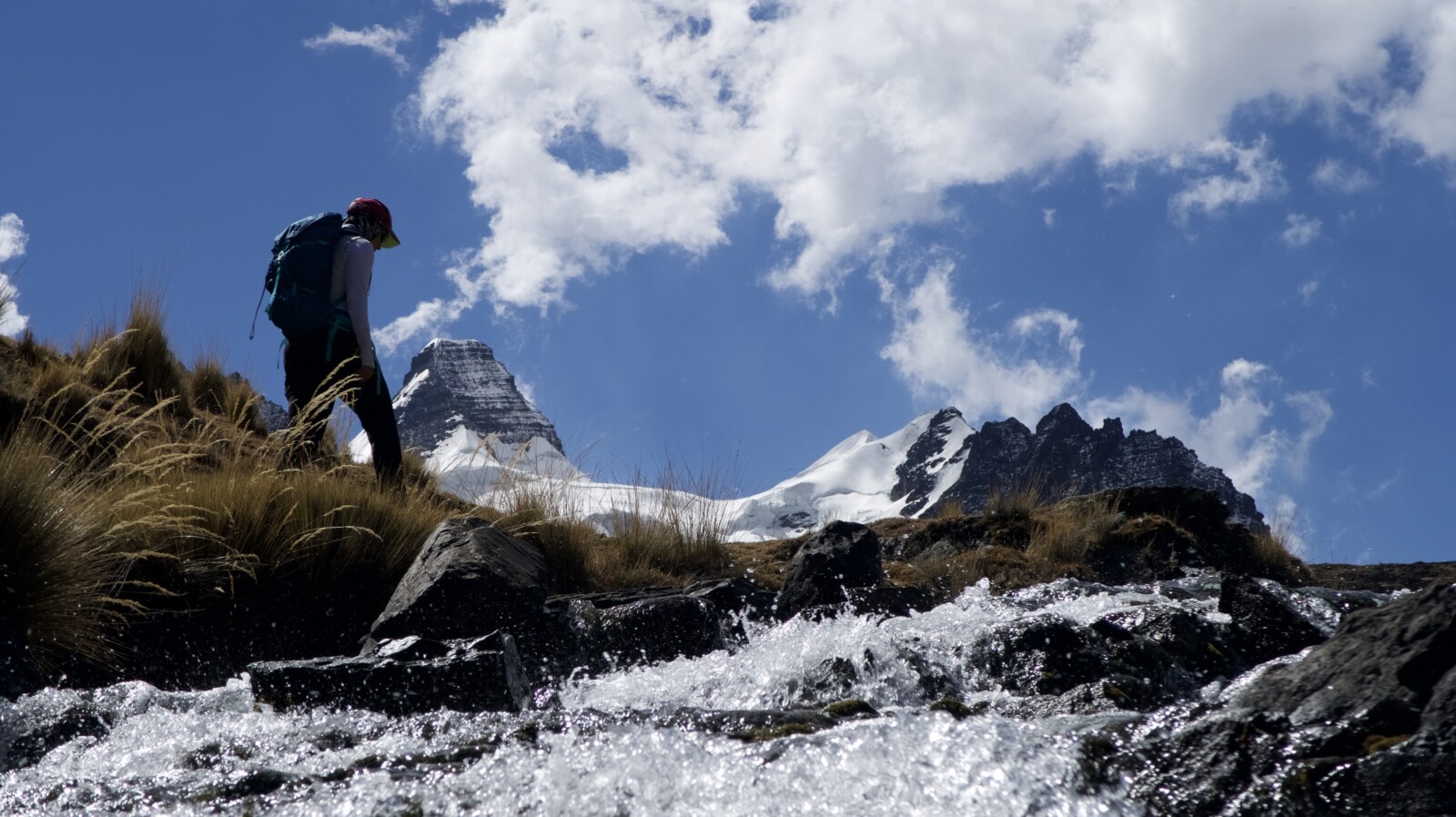
Today, we begin our trek to Condoriri Base Camp, a key base for our upcoming high-altitude adventures. After loading our gear onto donkeys, we set out on a scenic 1.5 to 2-hour hike towards Laguna Chiar Khota, or “Black Lake.” This stunning glacial lake offers sweeping views of the impressive Condoriri group, a striking formation of thirteen peaks that embody the grandeur of the Bolivian Andes. Upon reaching Laguna Chiar Khota, we establish our base camp at an elevation of 15,420 ft. (4,700 m), where we’ll spend the next several days acclimatizing, practicing essential mountaineering skills, and preparing for climbs ahead. Nestled among dramatic Andean landscapes, Condoriri Base Camp provides the perfect setting for immersing ourselves in Bolivia’s most rugged and beautiful mountain terrain.

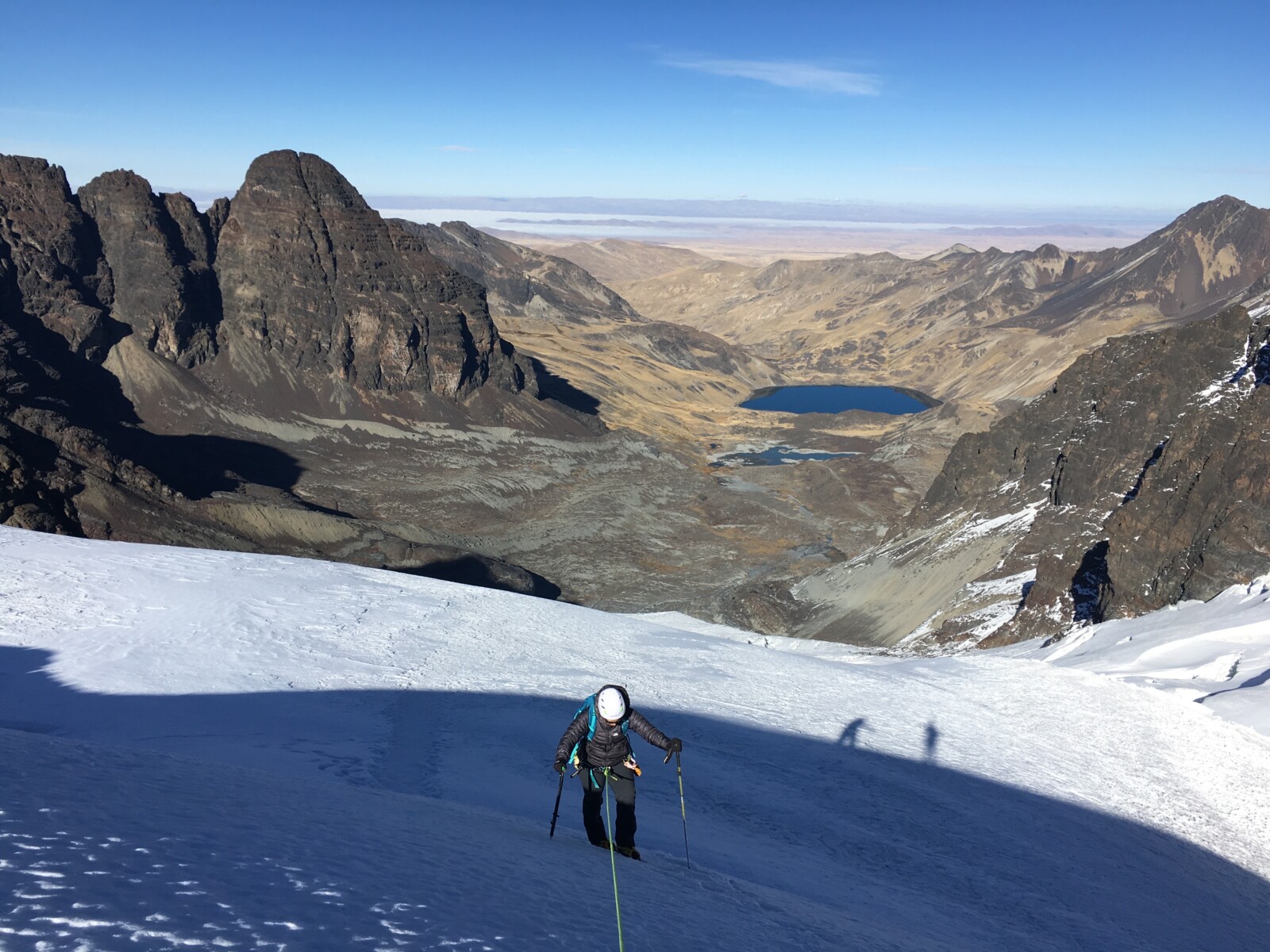
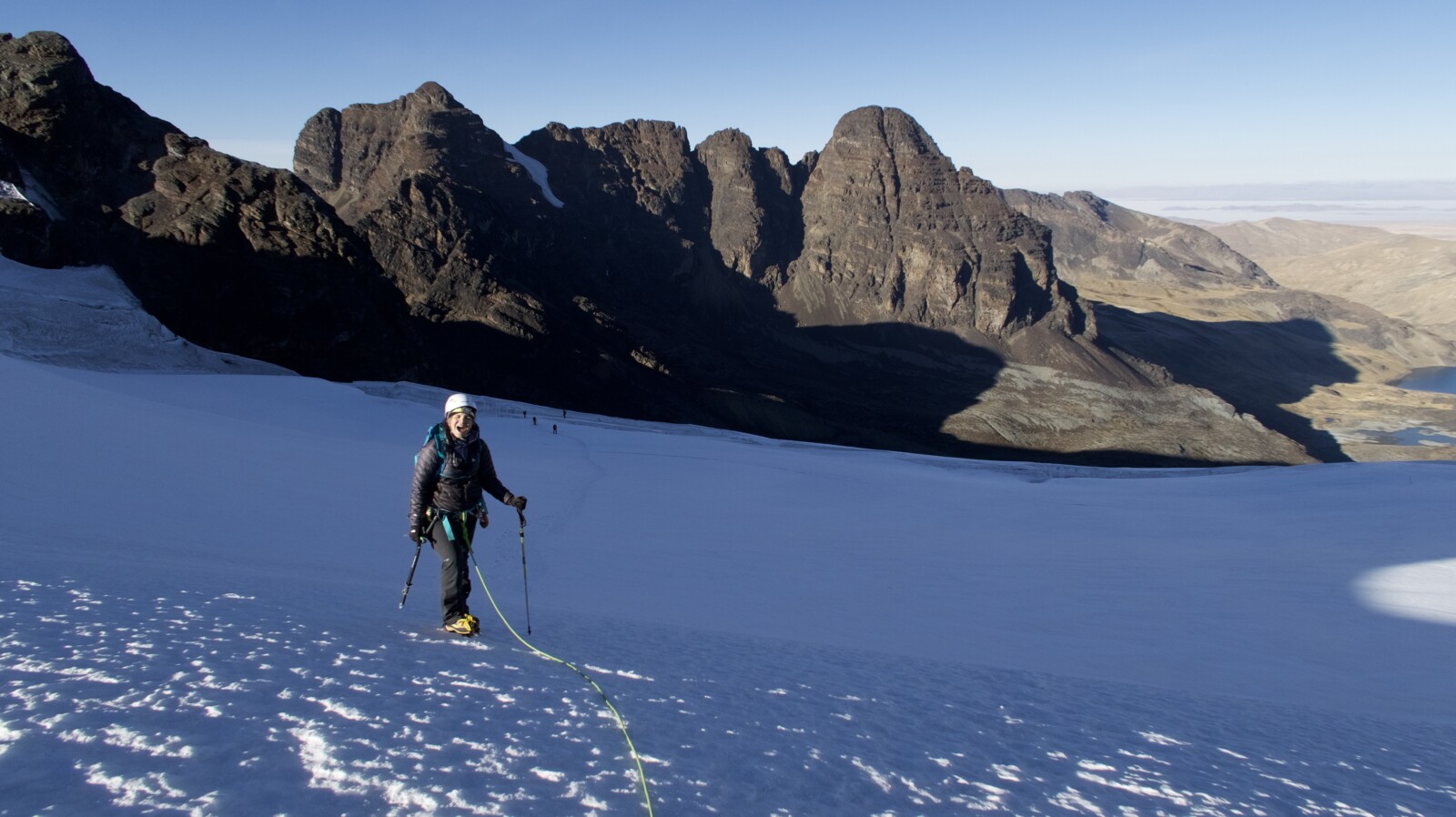
Following a hearty breakfast, we embark on an acclimatization hike, leading us on a one-hour trek to the glacier base for a comprehensive alpine training session. This day is dedicated to essential skills practice and mountain safety techniques, perfect for preparing for the climbs ahead.

Our alpine school covers everything from anchor setups for fixed and running belays to the fundamentals of glacier travel. You’ll review and practice belaying on both snow and ice, master efficient crampon techniques, and learn crucial crevasse rescue procedures. Additional training includes ice axe handling, self-belay, self-arrest, rappelling, and strategic route finding—all key skills for confident, safe climbing. This focused day of training ensures you’re well-prepared for Bolivia’s Alpinist objectives, set against the breathtaking backdrop of the Condoriri peaks.

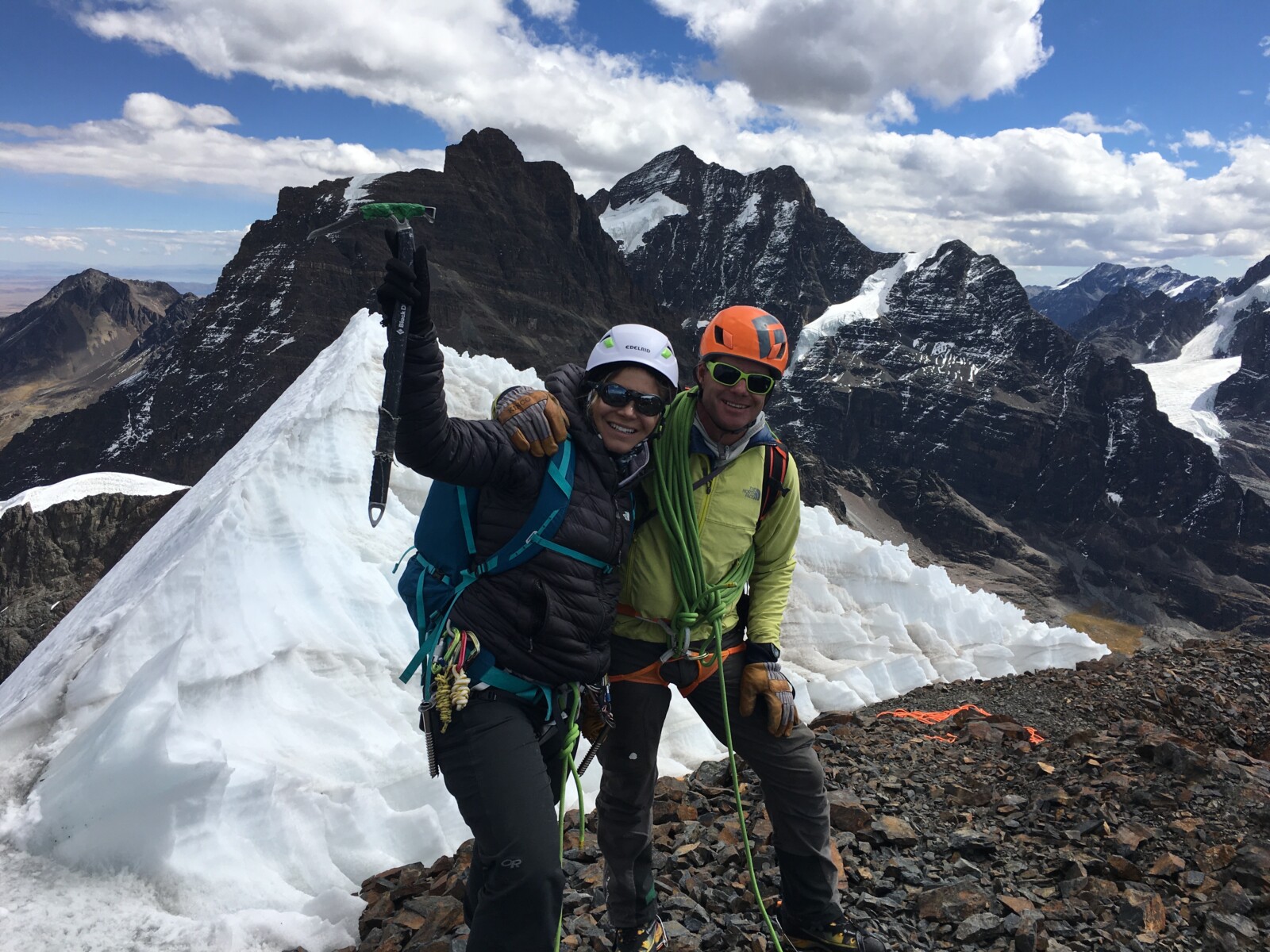
Today marks our first summit climb on the Bolivia Alpinist expedition! We set our sights on Piramide Blanca (5,350 m), a stunning peak in the renowned Condoriri range. This climb offers an ideal opportunity to build on our acclimatization, preparing us for the higher elevations ahead.

The ascent to Piramide Blanca features a breathtaking yet accessible summit ridge, making it an enjoyable and rewarding climb. We’ll spend approximately four hours reaching the summit, where panoramic views of the Andean peaks await. After celebrating at the top, we make a 2.5-hour descent back to camp. This first summit experience is a perfect introduction to high-altitude climbing in the Cordillera Real.

Today is a well-earned rest day at Condoriri Base Camp, allowing our bodies to recover and continue adjusting to the high-altitude environment. Take time to relax, update your journals, and refresh with a wash, all while enjoying the serene mountain landscape.
For those seeking extra adventure, an optional climb to a nearby peak is available, offering an opportunity to further acclimate and hone climbing skills. This day of rest and flexibility ensures we’re physically and mentally ready for the demanding climbs ahead in the Cordillera Real.

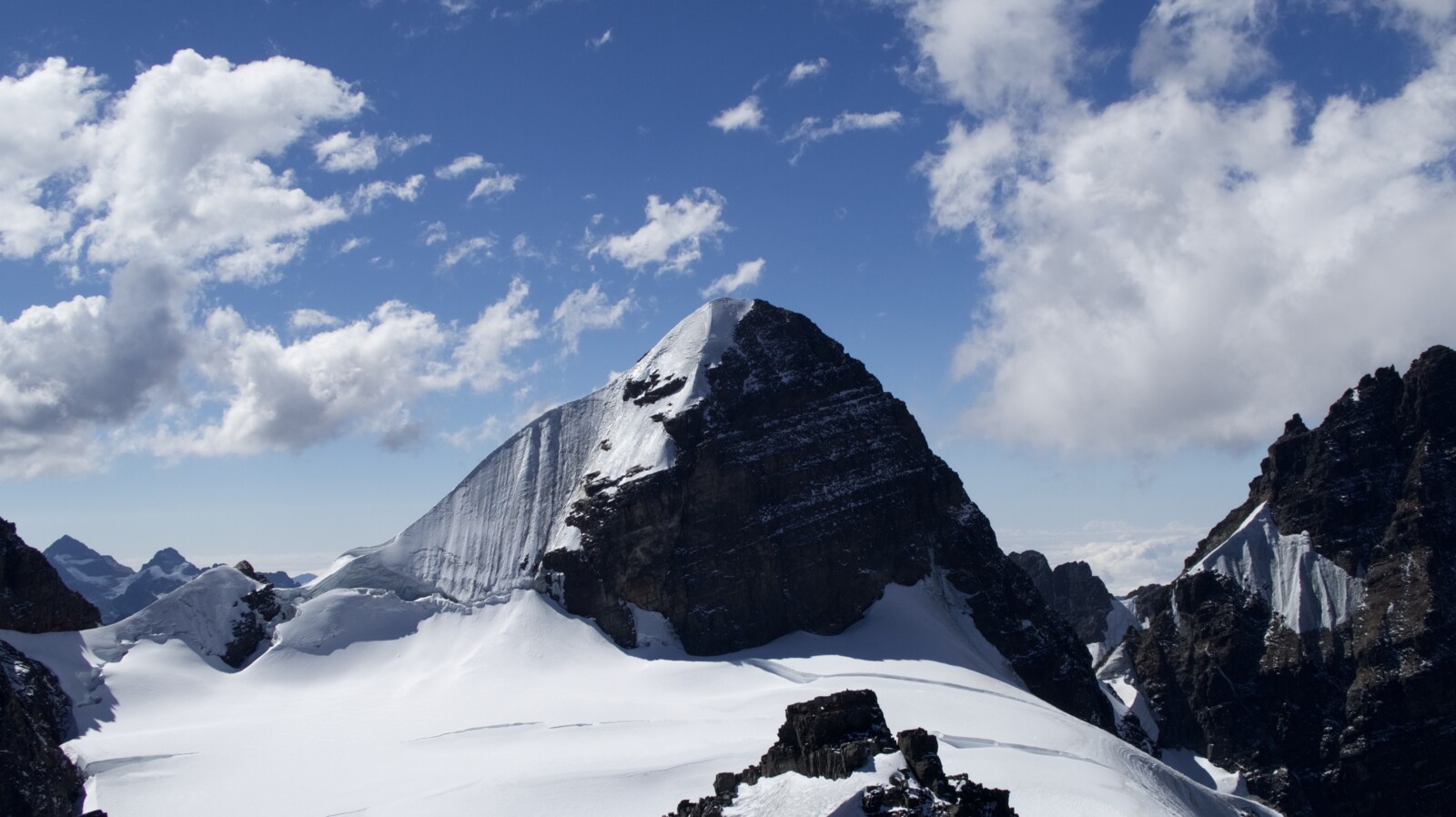
Today, we set out to reach the summit of Pequeño Alpamayo (5,370 m), often called the hidden gem of the Condoriri Valley. Known for its distinct beauty and airy climbing route, Pequeño Alpamayo is a highlight of the region, offering a truly memorable climbing experience.

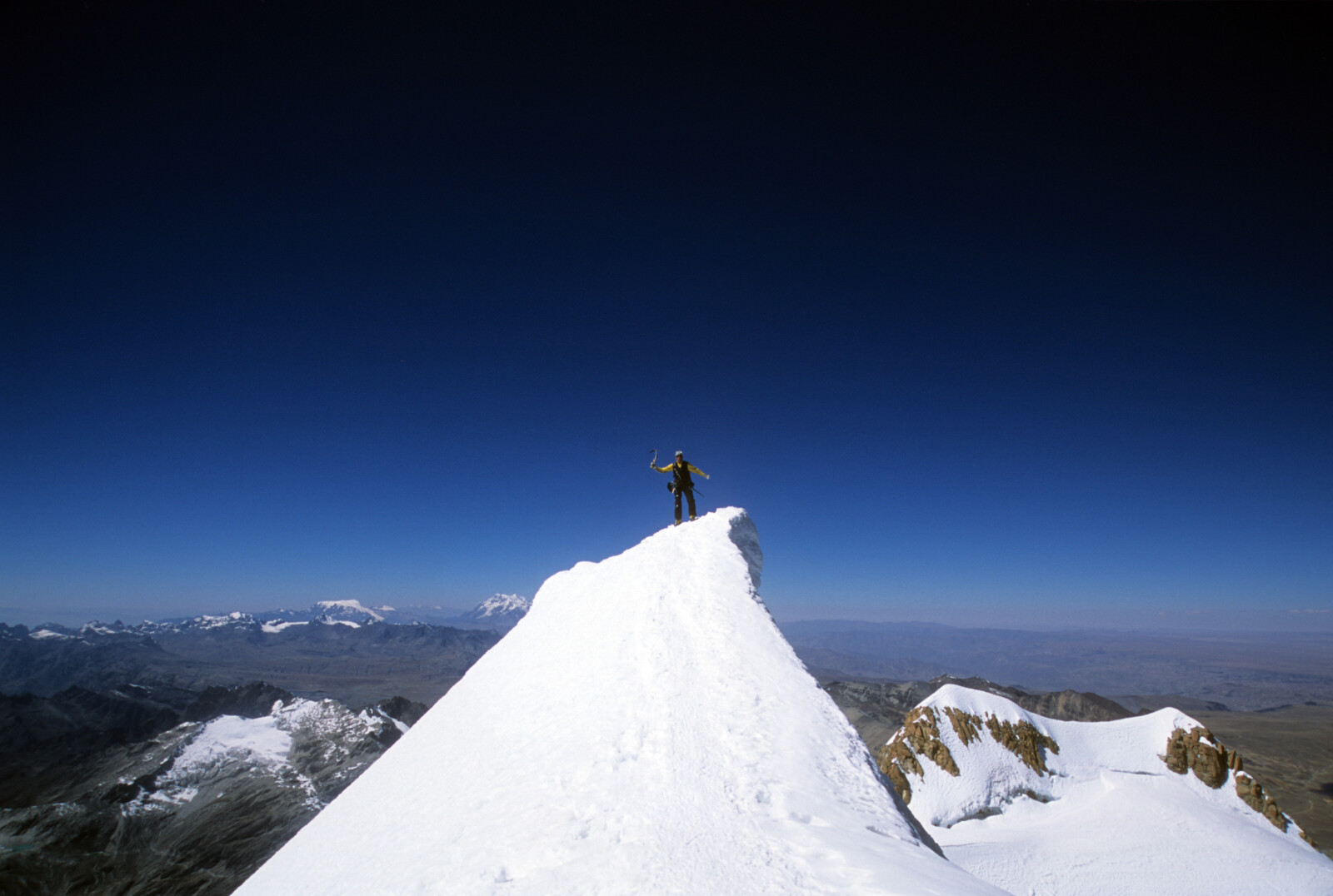
Following our previous path, we continue upward, passing the summit of Tarija (5,320 m) on our way to the ridge that leads to Pequeño Alpamayo. From afar, the peak resembles a shark’s fin, with a slender ridge leading to a small, photogenic summit. Though it appears challenging, the ascent is manageable, yet steep and exposed. After descending a rocky slope to a col, we make our way up the final ridge to the summit.

Standing atop Pequeño Alpamayo is an unforgettable experience, revealing stunning panoramic views over Bolivia’s Cordillera Real and cementing its place as a hidden treasure of the Andes.

After a successful adventure in the Condoriri Range, we enjoy a relaxed morning hike from Condoriri Base Camp back to Rinconada. Here, our transport awaits to bring us back to La Paz, where a comfortable hotel stay and a well-deserved rest await. This return journey allows us to reflect on our achievements amid Bolivia’s stunning Andean landscapes. Once in La Paz (11,810 ft./3,600 m), you’ll have the evening to unwind and enjoy the comforts of the city after an unforgettable climb in the Cordillera Real.

After a restful night in La Paz, we fuel up with a hearty breakfast before setting off for our next adventure—Huayna Potosi. Our journey begins with a scenic 2-hour drive from La Paz to the village of Zongo, offering stunning views of Huayna Potosi’s imposing icy pyramid from the Altiplano. As we draw closer, the mountain reveals its elongated, majestic form, building anticipation for the climb ahead. From Zongo, we embark on a 2-hour hike to the mountain refuge, where porters assist with our gear as we ascend the rocky trail leading to Huayna Potosi’s east ridge. The refuge offers a comfortable base to rest, acclimatize, and make final preparations for our summit bid. Tonight, we will overnight in the Huayna Potosi mountain refuge, readying ourselves for the iconic climb that awaits.

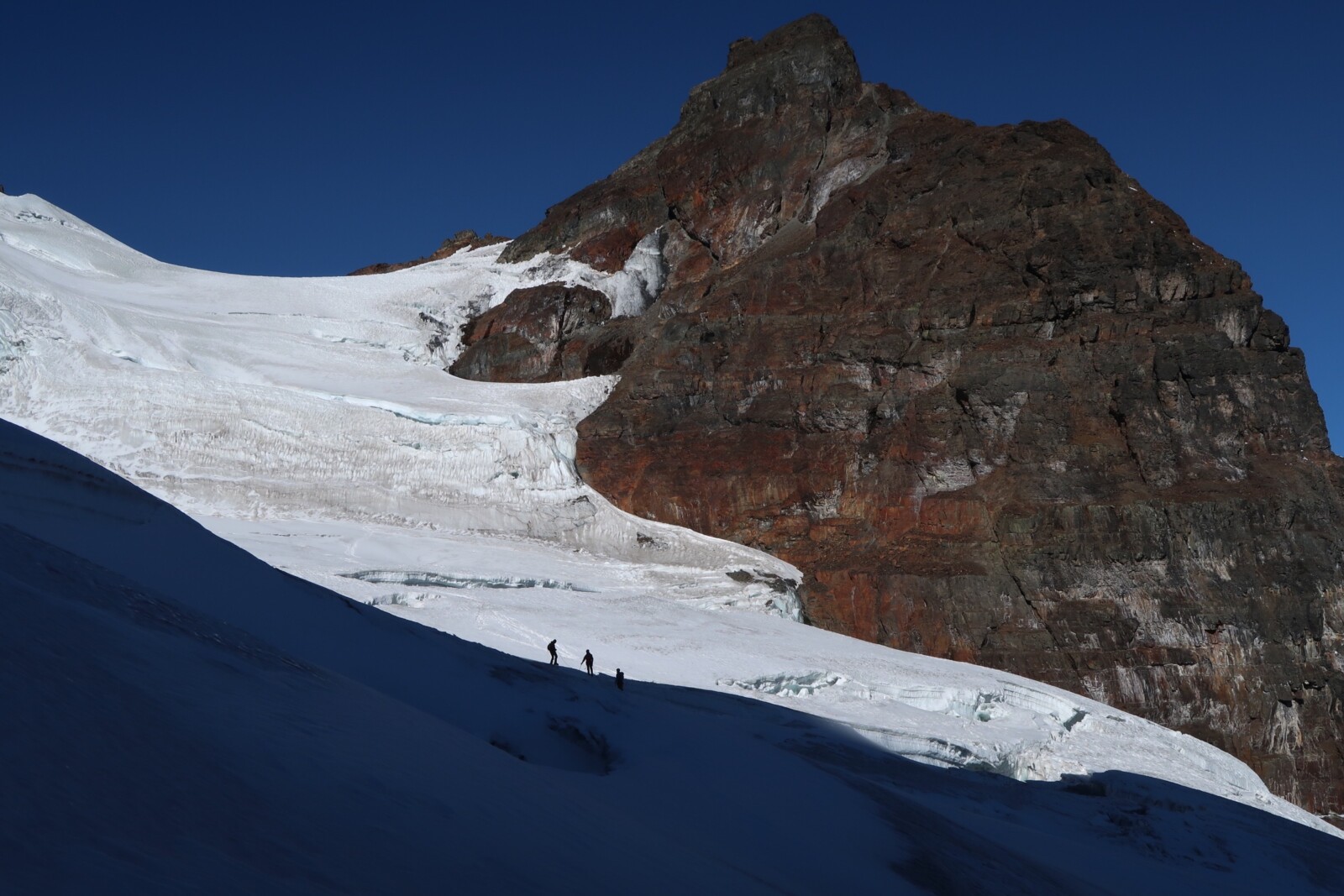
Today, we aim for the summit of Huayna Potosi, a magnificent glaciated peak in the heart of Bolivia’s Cordillera Real. Known as Bolivia’s most accessible 6,000m mountain, this climb offers an unforgettable high-altitude experience. We begin our ascent before dawn, starting with a challenging 2-hour climb up a steep slope to reach the summit ridge, where we carefully navigate around large crevasses. The final 180 meters are an exhilarating mix of ice, snow, and rocky terrain, with slopes ranging from 35° to 40°. Upon reaching the summit, climbers are rewarded with an awe-inspiring 360-degree view over the Cordillera Real, contrasting snow-capped peaks with the lush tropical rainforest below.

After soaking in the views, we descend to the mountain refuge for a well-deserved meal—be it a late breakfast or early lunch! From there, we continue our descent to Zongo Pass, where our transport awaits to bring us back to La Paz, completing this unforgettable adventure.

After the challenging climbs, today offers a well-deserved rest in La Paz, with opportunities to dive deeper into the city’s vibrant culture. Enjoy more of La Paz’s rich history, explore local markets, and savor Bolivian cuisine. For those looking to stay active, there’s an option for rock climbing at a nearby sport crag.

For climbers not continuing to Illimani, today marks your departure. Taxis are readily available to El Alto International Airport, with flights back to the U.S. typically departing early morning or in the evening.

Itinerary Note: While we strive to adhere to the planned schedule, this itinerary is subject to adjustments based on weather, route safety, or other factors outside our control, as determined by the guide’s professional judgment.

We will depart for our final objec­tive, 21,122-foot / 6438-meter Neva­do Illi­mani. A scenic dri­ve through the coun­try­side of Bolivia ends at the small vil­lage of Hacien­da Una. From here, we dri­ve through small farm­ing vil­lages and alpine mead­ows to base camp. We’ll make the scenic drive through varied agricultural zones from La Paz to the village of Pinaya and further up to Puente Roto, the base camp of Illimani. Overnight at Puente Roto Camp (14750 ft / 4495 m).

Today, we embark on a challenging ascent up a rugged ridge to reach Illimani’s high camp, known as Nido de Condores or the “Condor’s Nest.” Situated at an impressive 18,045 feet (5,500 m), this camp provides a strategic point for our final summit push. Upon arrival, we’ll establish camp and take the time to rest and acclimate, ensuring we’re fully prepared for tomorrow’s summit day on this majestic Bolivian peak.

Today, we make our ultimate ascent to the summit of Illimani (21,125 ft./6,439 m), one of South America’s most breathtaking climbs and the crown jewel of our Bolivia Alpinist Expedition. Beginning before dawn, we navigate Illimani’s majestic glaciers under a starlit sky, reaching the steeper upper slopes as the sun rises—a stunning reward for our early start. The route follows a dramatic snow ridge, threading through steep and challenging sections, putting all the skills we’ve honed over the past two weeks to the test. After several hours, we’ll reach the scenic summit ridge and traverse it to Illimani’s highest point. From this iconic summit, the views are unparalleled, spanning the vast Cordillera Real and beyond—a truly epic reward for a day of hard work and endurance. After celebrating our achievement, we return to Puente Roto Camp (14,750 ft./4, 495 m), where we’ll spend the night reflecting on the accomplishment and camaraderie of an unforgettable journey.

After a leisurely breakfast at camp, we pack up and begin our descent to the trailhead, soaking in our final moments in the stunning Andes. From there, we’ll drive back to La Paz, where we’ll wrap up our incredible Bolivia Alpinist adventure with a celebratory team dinner—an evening to share stories, reflect on our achievements, and toast to new friendships. Overnight accommodations in La Paz will provide a comfortable end to our unforgettable high-altitude journey.

After our successful expedition on Illimani, we begin our journey back, descending from Puente Roto to the village of Pinaya and continuing on to La Paz. Once in the city, we’ll celebrate our achievements with a team dinner, sharing stories and highlights from the adventure. Overnight accommodations in La Paz (11,810 ft./3,600 m) provide a comfortable rest as we conclude our unforgettable Bolivian mountaineering experience.

The Bolivia Alpinist is a real mountaineering program. It is not trekking with crampons or a guided walk to a high viewpoint. You will climb glaciated peaks, move on roped teams, and spend multiple days in a high-altitude mountain environment. Preparation, attitude, and fitness are central to your success and enjoyment.

Technical Experience

You should arrive with previous experience using crampons, ice axe, harness, helmet, and basic roped climbing systems. You do not need to be an elite alpinist, but you need to feel comfortable moving on snow, moderate ice, and exposed terrain for extended periods.

Our objectives — Piramide Blanca, Pequeno Alpamayo, and Huayna Potosi — reward climbers who move efficiently, follow guide instruction in technical terrain, and maintain steady pacing under fatigue. Prior courses or glacier climbs in the Cascades, Ecuador, the Alps, or Alaska are the right foundation. The American Alpine Club (americanalpineclub.org) and courses through certified IFMGA guides are reliable ways to build the baseline experience this program requires.

Altitude

Bolivia is high. La Paz sits above 11,900 ft / 3,627 m. Summit days on this program reach above 19,000 ft / 5,800 m. Prior experience above 14,000 ft is recommended — experience above 16,000–18,000 ft is ideal. Altitude affects everyone differently. Strong fitness helps, but smart pacing, hydration, nutrition, and previous altitude exposure matter just as much. Our itinerary is designed around progressive acclimatization — the Lake Titicaca day, the Condoriri training phase, and the recovery days are all deliberate steps in that process.

Fitness

You need to be in excellent physical condition. Expect summit days lasting 8–12 hours, steep ascents, and multiple back-to-back active days at elevation. Begin structured training at least 3–5 months before departure. Focus on:

  • Uphill hiking with a loaded pack
  • Running, cycling, or sustained cardio
  • Leg strength and core stability
  • Back-to-back endurance days

Consistency over time matters far more than peak efforts in the final weeks.

What to Expect on the Mountain

  • Summit starts are early — long summit days beginning before midnight or at 1:00 AM
  • Cold conditions — freezing temperatures at camp and on summit ridges; Huayna Potosi and Illimani can reach -20°C with wind chill
  • Weather changes fast — summit days start early to avoid afternoon buildup
  • Altitude fatigue is normal — pacing, hydration, and rest are your primary tools
  • Summits are not guaranteed — weather, conditions, and acclimatization always have the final word

Is This the Right Trip for You?

The Bolivia Alpinist is ideal for climbers with real fitness, some technical background, and a serious attitude toward the mountains. It is an especially strong platform for anyone building toward Aconcagua, Denali, Ecuador volcanoes, or larger Himalayan objectives. If you are unsure whether your current experience is the right match, contact us — we are happy to review your background and tell you honestly whether Bolivia is the right fit now, or what gets you there.

Here are some frequently asked questions about the Bolivia Alpinist Expedition

Wondering if the Bolivia Alpinist Expedition is right for you? We’re here to guide you! Ideally, participants should have some experience with roped climbing, crampons, and ice axe techniques, as well as exposure to high-altitude trekking or climbing (above 18,000 feet).

If you’re still building these skills, consider our Ecuador Climbing School, which offers the perfect training and acclimatization. Physical fitness is also key for this expedition, and we can provide customized training programs to help you prepare. We’re dedicated to helping you get ready for this unforgettable adventure.

Excellent physical fitness is essential for the Bolivia Alpinist Expedition. High-altitude climbing demands months of regular, intensive training to prepare for the challenges of prominent peaks. We recommend a structured fitness program, ideally guided by a gym or personal trainer, to build the endurance needed for altitude. Contact us for training recommendations to help you get ready for this adventure.

Climbing Grades:

Beginner:
No prior mountaineering skills required.
Advanced Beginner: Basic skills recommended, including self-arrest, crampon use, ice axe handling, and glacier travel; some basic rock climbing may be needed.
Intermediate: Experience with technical terrain (40–50° snow/ice slopes) and rock climbing up to 5.6, if applicable.
Advanced Intermediate: Solid mountaineering skills with experience on technical terrain and high altitudes up to 20,000 feet, while carrying a pack.
Advanced: Requires advanced mountaineering skills with experience in technical rock and ice climbing and ascents over 20,000 feet; climbs are longer and more challenging.

Trekking Levels:


Easy:
Flat terrain, light walking (e.g., safari walking for up to an hour).
Moderate: Varied terrain with elevation gains up to 2,000 feet; 4–6 hours of hiking per day, with some challenging days at higher elevations (up to 3,000 feet).
Strenuous: Steep, high-altitude terrain with elevation gains of over 3,000 feet; 6–8 hours of hiking daily, often over consecutive days in rugged conditions.

For a peak of this magnitude, we recommend and find that most climbers already own personal climbing gear. If needed, Benegas Brothers works with local rental agents and can pro­cure some items in the coun­try of des­ti­na­tion. Call us for specific information regarding your trip.

Rescue insurance is mandatory for all our international expeditions, including Bolivia Alpinist, to cover costs in case of mountain rescue (e.g., helicopter or medical evacuation). We also highly recommend travel insurance to protect against unexpected trip cancellations, such as those caused by illness. For comprehensive coverage, we suggest Global Rescue, which offers both required Rescue (Evacuation) Insurance and optional Travel Protection.

Looking for a custom expedition? Over 70% of our groups are tailored adventures! Please reach out to us to discuss a personalized Bolivia Alpinist experience that meets your goals.

Included in Your Trip Cost:

  • All in-country accommodations as per the itinerary (double occupancy in town, group lodging in mountain huts)
  • Breakfasts in town and all meals on the mountain
  • Group camping and climbing equipment
  • All park and climbing permits
  • Scheduled in-country transportation and airport transfers
  • Certified guides throughout the expedition

Not Included in Your Trip Cost:

  • International flights to/from Bolivia
  • Extra nights in hotels outside the itinerary
  • Airport taxes and visas
  • In-town dinners
  • Immunizations
  • Tips for guides and local staff
  • Travel, rescue, or any type of insurance
  • Hospitalization or evacuation expenses
  • Single supplement charges for private accommodations
  • Excess baggage fees
  • Additional expenses due to delays or changes beyond Benegas Brothers Expeditions’ control

Passport & Visa

All climbers must travel with a valid passport with at least six months of validity remaining beyond your travel dates. Bolivia’s visa requirements vary by nationality — many nationalities including US and EU citizens can enter Bolivia visa-free for stays up to 90 days. Requirements can change; confirm your specific entry requirements with your country’s foreign affairs office or the nearest Bolivian consulate before booking flights.

Documents to Carry

  • Valid passport (6+ months remaining validity)
  • Proof of onward travel if required by Bolivian immigration
  • Travel insurance documentation (policy number and emergency contact)
  • Global Rescue membership card or evacuation insurance confirmation
  • Emergency contact details and any personal medical documentation

Travel Insurance — Required

Travel insurance is required for all participants. Your policy must include: emergency medical coverage, trip interruption and cancellation, high-altitude rescue and helicopter evacuation, and lost or delayed baggage coverage. Do not join this expedition without verified coverage. Medical evacuation from a Bolivian mountain environment without insurance can cost tens of thousands of dollars.

Global Rescue Membership — Required

We strongly recommend — and require — a Global Rescue membership in addition to standard travel insurance. Global Rescue provides direct helicopter and field rescue coordination and is widely used by serious expedition climbers worldwide. Their membership covers you regardless of cause — medical, injury, or security.

Mountain Permits & Fees

BBE coordinates all required in-country mountain access, park, and climbing permits as part of the program. We recommend carrying a modest amount of Bolivian bolivianos for any minor incidental fees on the mountain.

Your gateway is El Alto International Airport (LPB), La Paz, Bolivia — one of the highest international airports in the world at 4,060 m / 13,300 ft. You will feel the altitude immediately upon arrival. Plan for it.

Recommended Airlines & Routing

  • LATAM Airlines (best overall): typically routing through Lima — strong South America network, efficient Bolivia connections, good one-ticket options
  • Avianca (excellent alternative): often routing through Bogotá — competitive pricing, strong regional service
  • American Airlines / United: routing through Miami or other US gateways via Lima

We strongly recommend booking all flights on one complete itinerary whenever possible — this protects missed connections, simplifies baggage handling, and creates a more reliable experience. For many travelers, Lima (LIM) is the best connection city due to schedule frequency and strong onward service to La Paz.

Arrival Timing

Recommended arrival: afternoon or early evening (3:00–9:00 PM) on the day before the expedition begins — or ideally two days early. This allows for initial altitude adjustment, jet lag recovery, gear organization, and arriving at the group briefing rested and prepared. La Paz sits at 11,900 ft / 3,627 m — early acclimatization time in the city pays dividends on the mountain.

Departure from La Paz

Best outbound flights: midday or afternoon (11:00 AM – 5:00 PM). Airport transfers are coordinated for arrival and departure on scheduled expedition dates — if you arrive early or depart on a different day, additional transfer costs are your responsibility. Notify us of your flight details well in advance.

La Paz — City Hotel

We base in La Paz at a comfortable hotel in the Miraflores or Sopocachi neighborhoods — well-located for gear organization, rest, and access to restaurants and services. These areas are quieter and safer than the city center while remaining close to everything you need. La Paz sits at approximately 11,900 ft / 3,627 m — just arriving helps your acclimatization.

Isla del Sol — Day 2  ·  ~3,810 m / 12,500 ft

Night two is spent at an eco-lodge on Isla del Sol on Lake Titicaca. Simple, clean, and scenic lodging in a stunning high-altitude setting that doubles as valuable acclimatization.

Condoriri Region — Days 3–8

From Day 3 through the Condoriri climbing phase, we camp in tents at or near Laguna Chiar Khota Base Camp. Bring a sleeping pad and a warm sleeping bag rated to at least -15°C / 5°F. Nights at base camp can be very cold.

Huayna Potosi — Days 10–11  ·  ~4,700 m / 15,420 ft

We use the mountain’s established high refuge — functional and well-run with bunk sleeping and meals. Not a hotel, but entirely adequate for a pre-summit night.

Illimani — Extension Days 13–15

The Illimani extension uses expedition tents at Puente Roto Base Camp and Nido de Condores High Camp (~5,800 m / 19,030 ft). Infrastructure on Illimani is more remote and less developed than Huayna Potosi. Expect a full wilderness experience — no refuges, no facilities. Come prepared for cold, wind, and basic camp living.

Single Supplement & Extra Nights

Hotel accommodations in La Paz are double occupancy by default. Single rooms are available on request and carry a supplement fee. If you arrive early or depart late, contact us in advance and we will help coordinate additional nights.

This is a real alpine mountaineering expedition. Arriving with proper, well-fitted equipment is not optional — it directly affects your safety, comfort, and performance. Some technical equipment is available for rent in La Paz, but availability and quality vary by season. Bring your own boots and critical clothing — do not risk renting footwear for a climb above 6,000 m.

Footwear

  • Double mountaineering boots — crampon-compatible; the single most important piece of gear; must be fully broken in
  • Camp sandals or lightweight shoes for refuge/camp use
  • Gaiters if not integrated into your boots

Crampons, Ice Axe & Hardware

  • 12-point mountaineering crampons — step-in or strap-in, compatible with your boots
  • Ice axe — 70–75 cm general mountaineering length
  • Trekking poles — recommended for approach days and camp movement
  • Mountaineering harness, climbing helmet (mandatory), 2 locking carabiners, prusik cord or ascender, rappel/belay device

Insulation & Layering System

  • Heavyweight down or synthetic jacket — summit quality; no cotton at any layer
  • Mid-layer fleece or softshell jacket; base layer top and bottom — wool or synthetic
  • Insulated bibs or heavyweight softshell pants; hardshell jacket and pants
  • Heavyweight insulated mittens for summit days; liner gloves; mid-weight gloves for approach
  • Warm hat / balaclava; sun hat; glacier sunglasses (Category 4, full UV); ski goggles for summit pushes

Pack & Sleep System

  • Summit/climbing daypack — 30–40L; large duffel for logistics transport
  • Sleeping bag rated to at least -15°C / 5°F; sleeping pad (closed-cell foam or inflatable)
  • Headlamp with extra batteries (summit starts are pre-dawn); high-SPF sunscreen and lip balm

Group Equipment — Provided

Included in your trip price: ropes for glacier travel and summit routes, snow anchors and protection hardware, group tent(s) and cook shelter, stoves, fuel and cooking equipment, and first aid / emergency kit.

Typical Daily Schedule

  • Town days (La Paz): 7:00 AM breakfast; gear organization; briefings; cultural activities; rest by 9:00 PM
  • Approach & trekking days: 7:00 AM breakfast; depart 8:00–9:00 AM; arrive camp mid-afternoon; dinner at camp
  • Training / acclimatization days: Breakfast; depart 8:00 AM for glacier; return to camp by midday; rest afternoon
  • Summit days (Condoriri peaks): Midnight or 1:00 AM start; summit by late morning; return to camp early afternoon
  • Summit day — Huayna Potosi: 11:00 PM departure; pre-dawn summit; return to refuge and La Paz same day
  • Summit day — Illimani (extension): 11:00 PM departure; summit at dawn; descend to base camp

Meals

In La Paz and Copacabana, breakfasts are included with lodging. Lunches and dinners in town are generally on your own — La Paz has excellent restaurants ranging from casual to upscale. On the mountain, all meals are organized and prepared by the expedition team. Eat even when you are not hungry — altitude suppresses appetite, but your body still needs fuel.

Altitude & Acclimatization

Altitude management is built into every day of the itinerary. You will feel the altitude. Expect reduced sleep quality, elevated heart rate on moderate effort, appetite reduction above 14,000 ft, and occasional headaches. The key tools are hydration, pacing, sleep, and nutrition. Do not push through symptoms without telling your guide. The climbers who perform best communicate openly, eat and drink consistently, and approach the mountain with patience.

Cold & Weather

Temperatures at Condoriri base camp can drop to -10°C / 14°F or below. Summit ridges on Huayna Potosi and Illimani can reach -20°C / -4°F with wind chill. Bolivian weather in June and July is generally dry and stable — the best climbing season. However, afternoon storms can develop quickly. Summit starts are always early to be off exposed terrain before conditions deteriorate.

Hygiene & Communication

Wet wipes, hand sanitizer, and a small personal hygiene kit make camp life significantly more comfortable. Charging is available in La Paz hotels only — on the mountain, no reliable charging is available. Bring spare batteries for your headlamp and a small power bank for phone and camera. A Bolivian SIM card purchased in La Paz provides basic coverage in some mountain areas; the guide team carries communication devices for emergency use.

Currency & Cash

The Bolivian boliviano (BOB) is the local currency. USD is widely accepted in La Paz at hotels and larger restaurants, but having local currency is helpful for markets, small restaurants, local transport, and tipping local staff. ATMs are available throughout La Paz — withdraw cash before heading to the mountains. ATM access is not available in the Condoriri region or near Illimani base camp.

In-Town Meals

  • Casual local restaurant (lunch): $5–$10 USD
  • Mid-range dinner in La Paz: $12–$25 USD
  • Upscale restaurant (celebration dinner): $25–$45 USD
  • Coffee / snacks: $2–$5 USD

Tipping Guidelines

  • Lead Guide: $150–$250 USD per climber
  • Assistant Guide(s): $75–$125 USD per climber
  • Cook: $25–$35 USD per climber
  • Porters / load carriers: $20–$30 USD per climber
  • Arrieros (animal handlers): $15–$25 USD per climber
  • Drivers: $10–$20 USD per climber

For the core 12-day program, a reasonable total tip budget is $250–$400 USD per climber. The Illimani extension adds additional guide and support staff — budget an additional $100–$150 USD if taking the extension.

Recommended Personal Cash Budget

Plan for approximately $400–$600 USD in personal spending money for the full expedition, not including tips. This covers in-town meals, snacks, SIM card, laundry, extra drinks, souvenirs, and minor incidentals. Keep $300–$500 USD as an emergency reserve for unexpected hotel nights, flight changes, or transport.

Not every climber fits a fixed departure. If you have a specific window, a small group, or a custom objective in mind, we can build a Bolivia program around you. More than half of BBE’s expeditions are private or custom.

Who Private Departures Work For

  • Individuals or couples — who want the full BBE Bolivia experience on their own schedule
  • Small groups of 2–4 climbers — with aligned goals and timing
  • Climbers with specific objectives — adding peaks, adjusting the itinerary, or focusing on one mountain
  • Teams preparing for larger expeditions — focused Bolivia training program with guide feedback
  • Climbers who want Willie or Damian Benegas personally leading — available on select private departures

What We Can Customize

  • Departure dates to fit your schedule
  • Itinerary sequence — starting with Huayna Potosi then Condoriri, or vice versa
  • Objective selection — different peaks, routes, or additional summits
  • Trip length — core program only, full 17-day program, or a shorter focused version
  • Combination programs — linking Bolivia with Peru, Ecuador, or other destinations

Contact us at climbing@benegasbrothers.com with your preferred dates, group size, and objectives. We will respond quickly with availability, options, and a clear proposal.

Expedition Cost

Bolivia Alpinist — 12-Day Core:  $5,400 USD per person

Illimani Extension — 5 Days:  +$1,250 USD per person

Full 17-Day Program (Core + Extension):  $6,650 USD per person

Price Includes

  • Airport transfers in La Paz per itinerary
  • Hotel accommodations per itinerary — double occupancy in town; group lodging at mountain huts and camps
  • Breakfasts in town; all meals during mountain phases
  • Group climbing equipment
  • All scheduled in-country ground transportation
  • Mountain logistics coordination and local support management
  • Professional BBE guide team throughout
  • All park and climbing permits
  • Pre-Trip Support: expedition preparation guidance, equipment consultation, and training recommendations

Price Does NOT Include

  • International airfare to/from La Paz
  • Travel and rescue/evacuation insurance (required)
  • Tips for guides and local staff
  • In-town lunches and dinners outside the itinerary
  • Alcoholic beverages; personal snacks and sports nutrition
  • Laundry, Wi-Fi, SIM card, personal supplies
  • Extra hotel nights outside the itinerary
  • Baggage fees and excess luggage charges
  • Medical, evacuation, or hospitalization costs
  • Single room supplement (available on request)

Personal Budget Estimates

  • International flights (round trip): $800 – $1,500 USD
  • Travel & rescue insurance: $150 – $350 USD
  • Personal gear (if purchasing): $500 – $2,000+ USD
  • Gear rental in Bolivia (if needed): $100 – $300 USD
  • In-town meals not included: $150 – $300 USD
  • Personal snacks and supplies: $75 – $150 USD
  • Guide and staff gratuities: $250 – $500 USD
  • Emergency reserve: $300 – $500 USD

Total personal costs beyond program price: ~$2,500 – $5,000 USD

Departure  ·  Return (Core)  ·  Extension End  ·  Status

June 4, 2027 (Thu)  ·  June 15, 2027 (Mon)  ·  June 20, 2027 (Sat)  ·  Open

June 19, 2027 (Fri)  ·  June 30, 2027 (Tue)  ·  July 5, 2027 (Sun)  ·  Open

Trip Pricing Summary

Bolivia Alpinist — 12-Day Core:  $5,400 USD per person

Illimani Extension — 5 Days:  +$1,250 USD per person

Full 17-Day Program (Core + Extension):  $6,650 USD per person

Payment Policy

A 20% deposit is required to reserve your place. The remaining balance is due 120 days before your departure date. Payments by ACH transfer, wire transfer, check, or credit card (credit card subject to a processing fee). All prices in USD.

Cancellation Policy

  • 120+ days before departure: deposit forfeited; all additional payments refunded in full
  • 90–119 days before departure: 50% of the total trip cost is forfeited
  • Fewer than 90 days before departure: 100% of the total trip cost is forfeited

All cancellation requests must be submitted in writing. We strongly recommend travel insurance that covers trip cancellation. If your spot can be filled, we will work to apply a credit toward a future expedition where possible.

Private Expeditions

Private departures are available for individuals and groups who want the full Bolivia Alpinist experience on their own schedule — custom dates, custom objectives, private guide service, and the option for personal leadership by Willie or Damian Benegas. Private expedition pricing is custom-quoted based on group size, dates, and program design. Contact climbing@benegasbrothers.com to discuss.

Climb three peaks in Bolivia's Cordillera Real

The Majestic Cordillera Real, Remote Andean Culture, and Stunning High-Altitude Landscapes.

Book Trip
Location:
Bolivia
Group:
8 people
Duration:
13 + 5 day extension
Skill:
Intermediate and above
Activities:
Mountaineering, expedition, climbing
Pricing

Pricing is a typical estimate, final quote will be provided after receiving your inquiry.

Climb three peaks in Bolivia's Cordillera Real

The Majestic Cordillera Real, Remote Andean Culture, and Stunning High-Altitude Landscapes.