USA Adventures USA

Mount Baker 6-day Mountaineering Course

3-6 days Group: 1-2 people From $2,500 per Person

Note: Benegas Brothers Expeditions strives to provide the highest quality logistics, giving you the best climbing experience possible. For this expedition, we are working through our partner, Wasatch Mountain Guides.

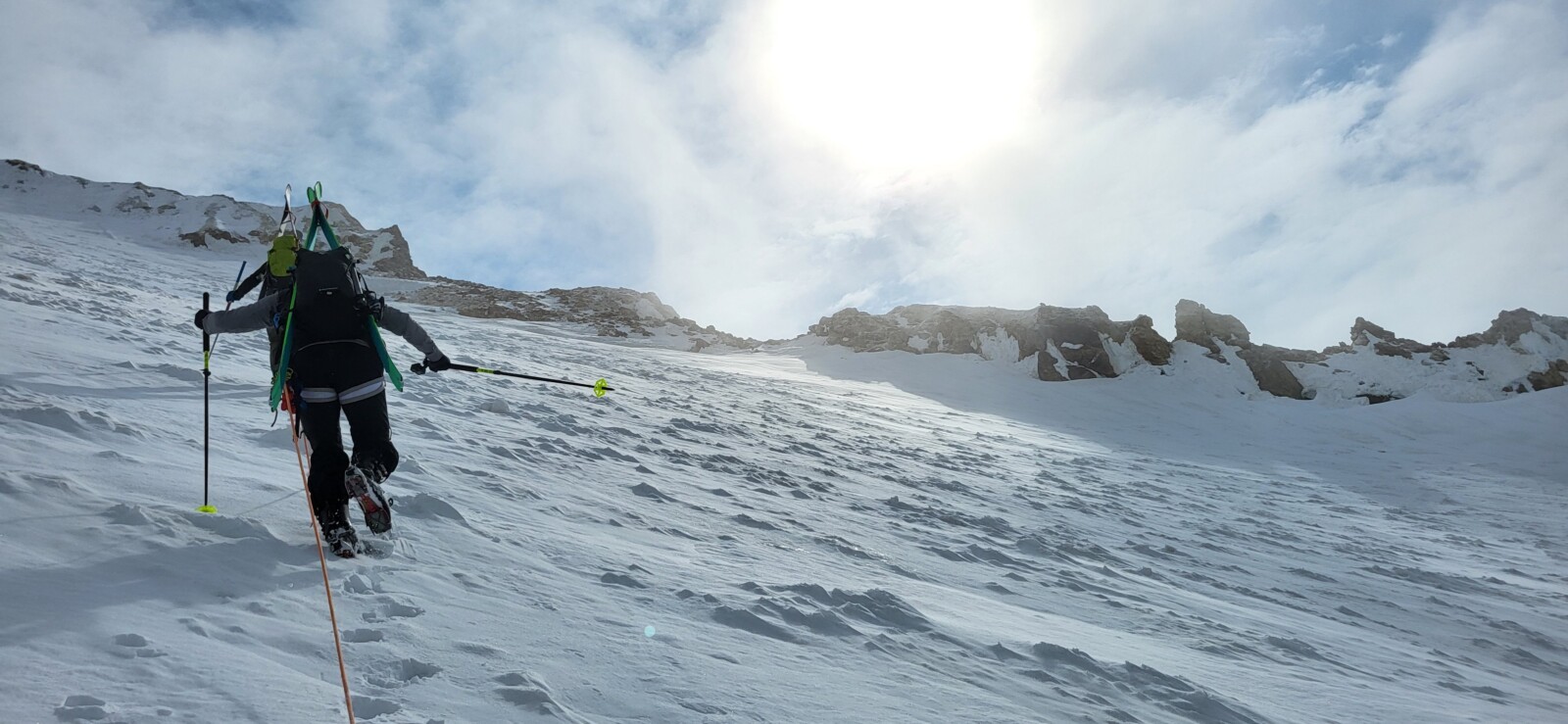
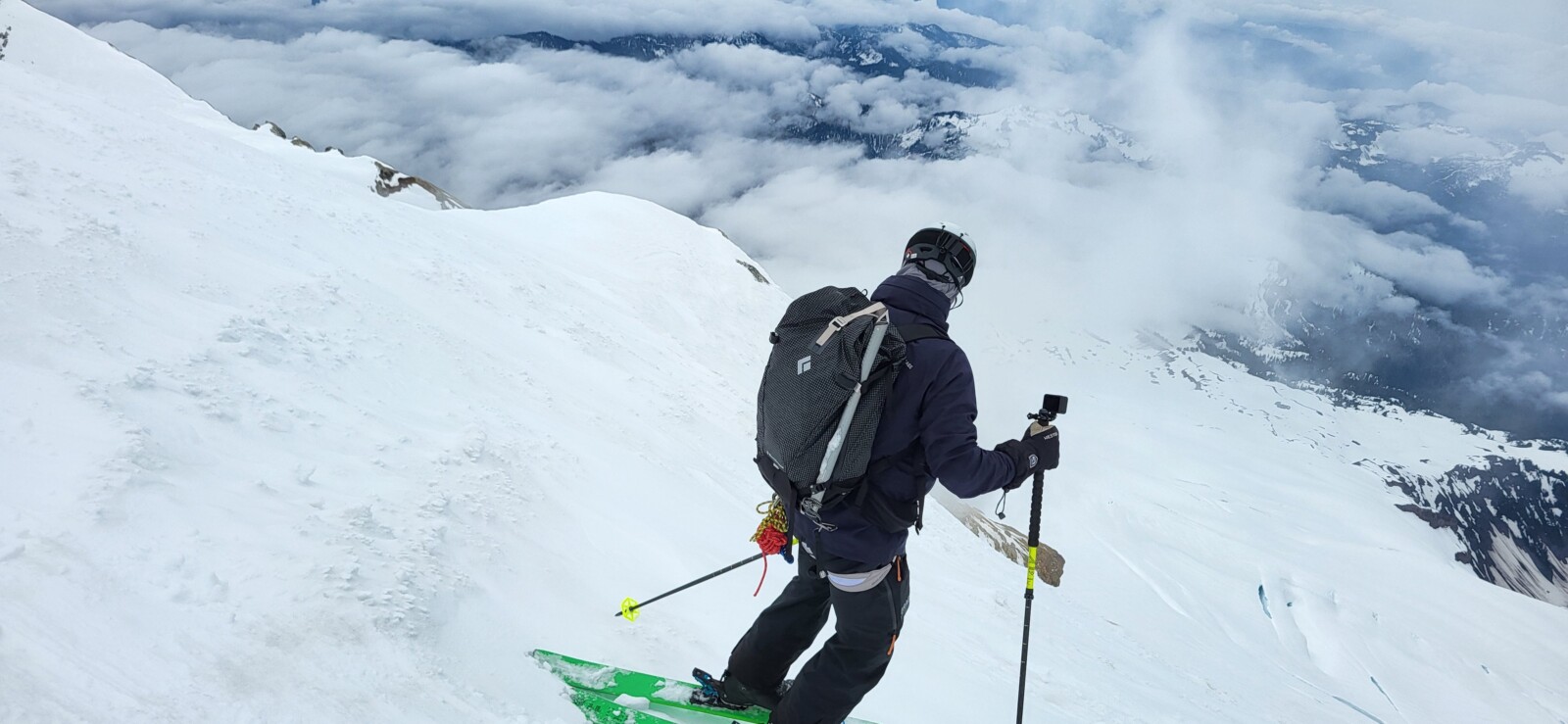
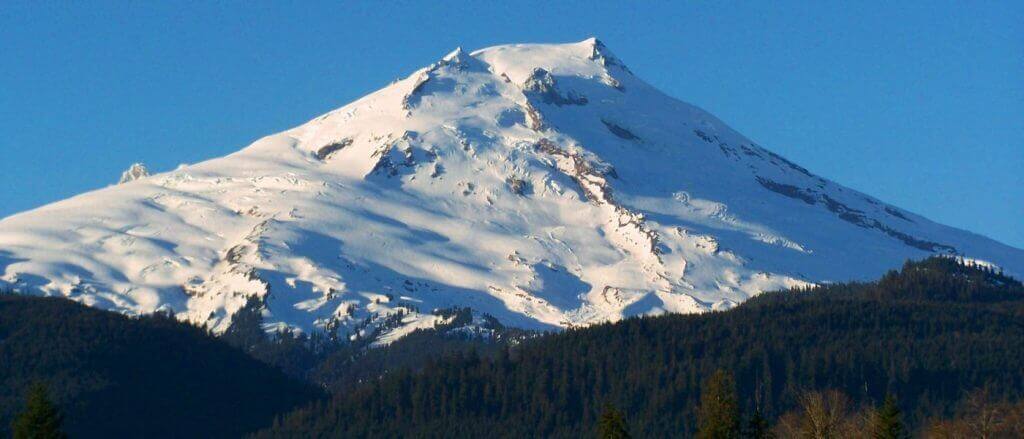
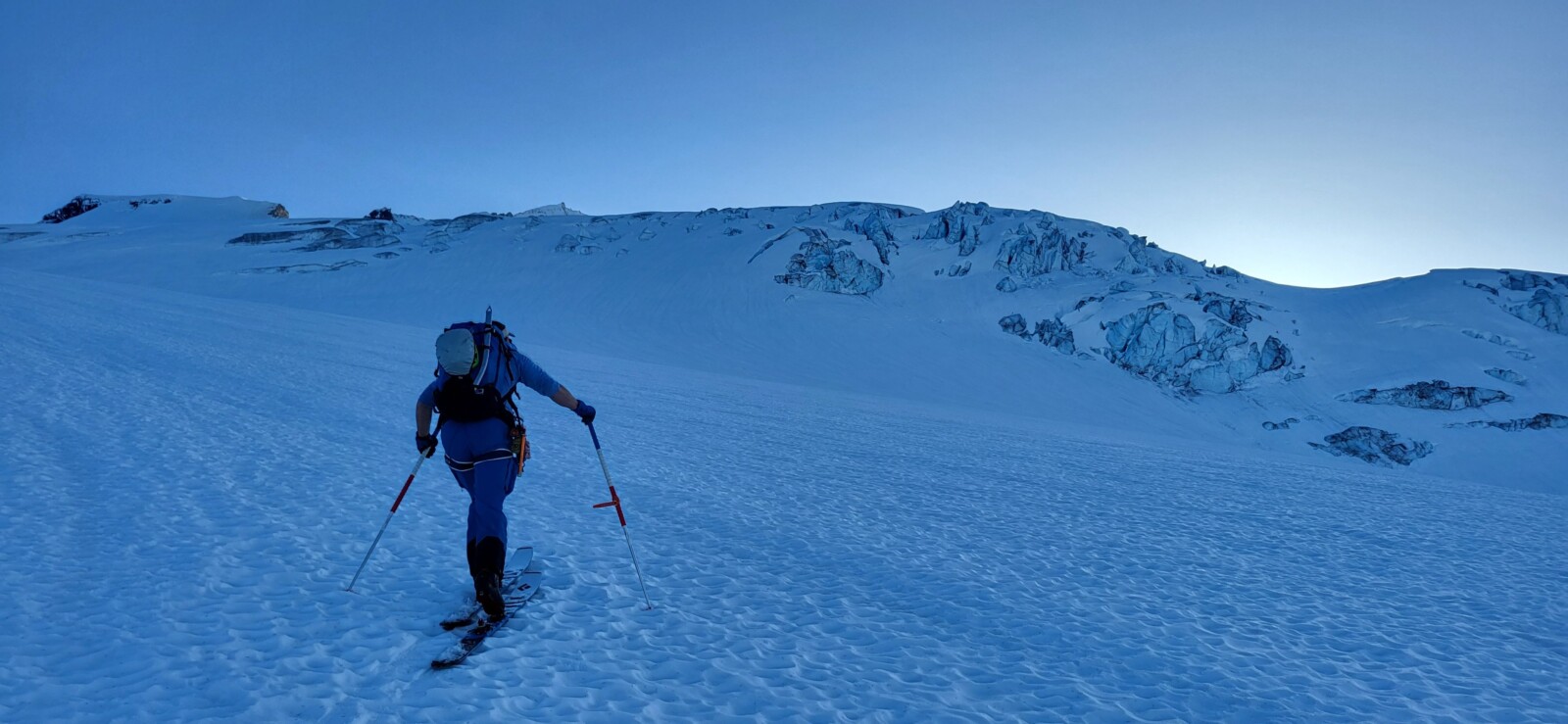
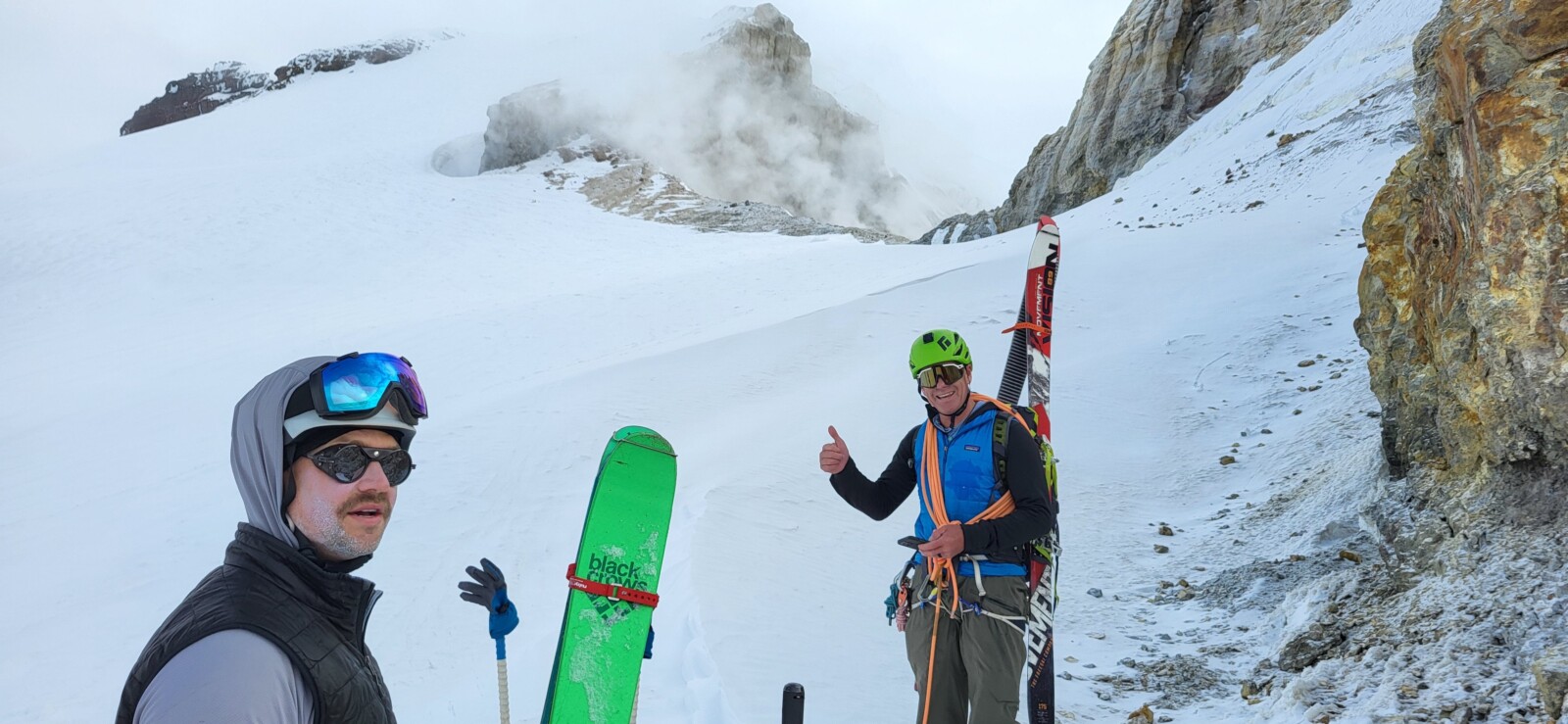
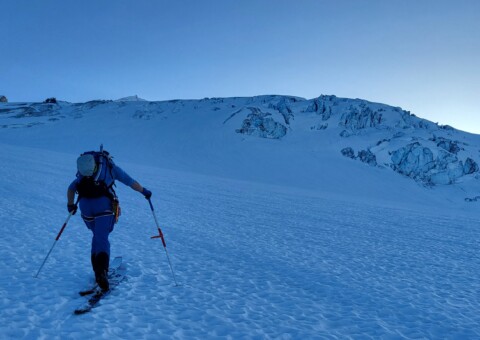
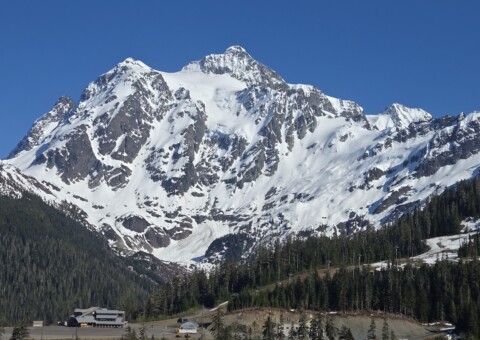
Our 6-Day Mount Baker Mountaineering Course takes either the Coleman-Deming Route or the North West Ridge — both providing the perfect terrain to build new skills. Climbers can ice climb seracs and crevasses even in the height of summer. Either route involves challenging route finding through icefalls, seracs, and large crevasses.

As with all our courses, our aim is for you to lead the expedition by the end of the week — including our summit attempt. This should be a very rewarding and empowering experience. By the end of six days, you will have covered the essential skills of glacier travel, navigation and route finding, glaciology, hazard assessment, knots, spacing of climbers, and rope management. You will also have learned to evaluate both subjective and objective hazards, plan around weather conditions and forecasting, and know what to do in an emergency.

Course Curriculum

  • Selection and use of personal equipment, ropes, knots, and harnesses
  • Camp construction, camp management, and cold weather camping skills
  • Crampon use and snow climbing techniques, ice axe positioning, and self-arrest techniques
  • Roped glacier travel, rope team management, route finding, and crevasse navigation
  • Belaying techniques on rock, snow, and ice
  • Application of all ice axe positions and self-arrest training
  • Self-arrest, rappelling, and prussiking
  • Meteorology; trip planning using maps, compasses, and altimeters
  • Discussion of the mountain environment and methods of evaluating subjective and objective hazards
  • Individual and team crevasse rescue techniques — ‘C’ and ‘Z’ pulley systems, 6:1 mechanical advantage
  • Proper clothing and climbing gear for survival in the high mountains, mountain weather, alpine ecology, avalanche hazard assessment, and Leave No Trace ethics

Two Route Options

Coleman-Deming Route: The standard BBE/WMG route — classic crevasse terrain, the Roman Wall, and the summit plateau. Most appropriate for participants new to glaciated terrain.

North West Ridge: A more technical and less-traveled line with steeper ice sections and more committing route finding. Appropriate for participants with prior glacier experience who want a more challenging objective.

Route selection is made by the guide team based on current conditions and participant progress throughout the week.

6 Days  ·  Seattle → Glacier, WA → Coleman or Easton or Squak Glacier Camp → Baker High Camp → Summit → Return

Day 1: Seattle to Mount Baker

Early drive from Seattle to our meeting point at the USFS Glacier Public Service Center. Equipment check, distribute group gear, help each member organize their pack for the hike in. Begin the hike to camp near the edge of the Easton/Squak/Coleman Glacier. Evening curriculum: meteorology, trip planning using maps, compasses, and altimeters, and discussion of the mountain environment and hazard evaluation. Nice dinner and mountain views.

Overnight: Camp, Easton/Squak/Coleman Glacier edge — ~4,500 ft / 1,372 m

Day 2: Glacier Skills Day

Continue with course curriculum covering the basic skills required for a glacier climb: ice axe self-arrest, crampon use, rope travel, team arrest, climbing efficiencies, and anchor building. Full practical sessions on actual glacier terrain.

Overnight: Camp, Easton/Squak/Coleman Glacier

Day 3: Mountaineering School

Continue technical instruction. Additional topics: personal maintenance, hygiene, and sleeping in cold environments; Leave No Trace principles; nutrition and backcountry cooking techniques. Open discussion of any concerns from participants. This day bridges classroom learning with practical application on real terrain.

Overnight: Camp, Easton/Squak/Coleman Glacier

Day 4: Crevasse Rescue

A full day dedicated to the single most important safety skill in glacier mountaineering. Students perform all aspects of crevasse rescue: self-rescue (ascending a vertical line using prussiks), and team rescue covering the ‘C’ and ‘Z’ pulley systems as well as a system with 6:1 mechanical advantage. Every student directs a rescue scenario and assists others. This is not a demonstration — it is a competency standard.

Overnight: Camp, Easton/Squak/Coleman Glacier

Day 5: Move to High Camp

Students lead the move to Baker High Camp — selecting a suitable campsite, conducting all necessary safety checks, and organizing the team for the summit push. The guide observes and coaches rather than directs. By Day 5, participants are expected to be making good decisions independently. Early dinner, summit pack organized, early bedtime.

Overnight: Baker High Camp — ~9,100 ft / 2,774 m

Day 6: Summit Day & Return to Seattle

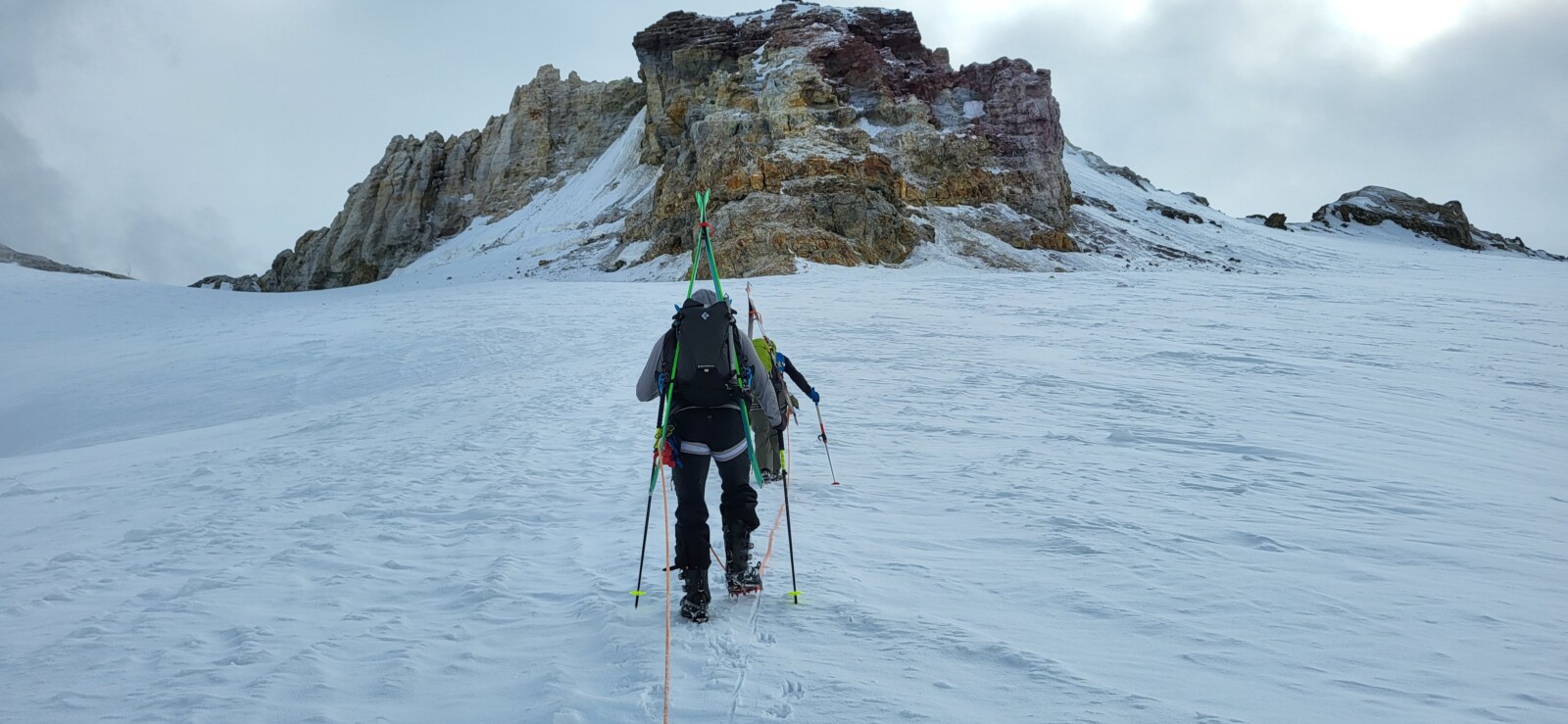
Pre-dawn start. Rope up and ascend the Coleman Glacier or NW Ridge. Navigate through crevasses and serac zones to the summit ridge and the final steep section. Reach the summit plateau and the top of Mount Baker. Given the length of the descent and drive, the team aims to be back at camp by late morning and descending by midday. Return to Seattle that evening.

The ideal participant is anyone who wants to become a genuinely capable glacier mountaineer — not just someone who has climbed a glacier once. This course is designed for motivated learners, not spectators. By Day 6, you lead the summit push. That means showing up ready to learn, ready to repeat skills until they’re solid, and ready to be pushed beyond your comfort zone in a safe, structured environment.

Prerequisites

Ideal: familiarity with basic glacier travel techniques and good physical condition. No prior mountaineering experience is strictly required, but comfort on steep terrain and basic camping experience will let you spend more time on technical content and less time adjusting to the fundamentals of mountain living.

If you have no outdoor experience whatsoever, we recommend a single day alpine course or a hiking and scrambling background first. Contact us — we will give you an honest assessment.

Fitness

The 6-day format is genuinely demanding — six consecutive days of physical activity at altitude, including a demanding summit push on Day 6. You should be capable of hiking with a full pack on consecutive days and recovering adequately each evening. A structured training program over the 2–3 months before the course makes the learning significantly more effective — when you’re not exhausted from the physical demands, your brain has room to absorb the technical content.

Who This Is Right For

  • People building toward Denali, Aconcagua, Rainier, or Himalayan objectives who need a solid technical foundation
  • Anyone who has done the 3-day Baker climb and wants to deepen their skills
  • Motivated beginners who want real instruction, not just a guided walk up a glacier
  • Climbers returning to mountaineering after a break and want to systematically rebuild

Everything between the trailhead and the summit. The 3-day program gives you one full day of skills instruction followed by a summit attempt. The 6-day course gives you four days of skills instruction on real glacier terrain, including a full dedicated day of crevasse rescue, before the summit push. The goal is not just the summit — it’s making you a capable mountaineer.

Yes. Food is purchased and carried as a group, but costs are shared among participants and not included in the program fee. The guide team helps coordinate food planning. Bring sufficient food for 6 full days in the mountains. A detailed food planning guide is provided at booking.

Either the Coleman-Deming/Easton/Squak or North West Ridge, based on current conditions and the guide team’s assessment of participant readiness by Day 5. Both routes summit Mount Baker. The NW Ridge is more technical and recommended for participants with prior glacier experience.

All three North Cascades programs share the same gateway, the same regional logistics, and the same preparation framework. This section applies fully to the Mount Baker 6-Day Mountaineering Course and cross-references the other two BBE programs in this region.


No Passport or Visa Required

These programs operate entirely within the United States — no passport, visa, or international documentation is required for US citizens. International participants must ensure their US visa or entry status is current before departure.

Rescue Insurance — Required

Rescue and evacuation insurance is required for all BBE programs. The North Cascades are remote — helicopter evacuation from high on Baker or Shuksan can cost $5,000–$15,000+ without coverage. Your policy must cover technical mountaineering and glacier rescue in a wilderness environment. We recommend Global Rescue (globalrescue.com). Trip cancellation insurance is strongly recommended for all multi-day programs.

NPS & National Forest Permits

Mount Baker and the Heliotrope Ridge trailhead are in the Mount Baker-Snoqualmie National Forest. A Northwest Forest Pass ($5/day or $30/annual) is required for trailhead parking. Mount Shuksan lies within North Cascades National Park — no additional climbing permit is required for the Fisher Chimneys Route, but a free NPS backcountry permit is required for overnight camping in the park. BBE and WMG coordinate all National Forest climbing permits — these are included in your program fee.

Getting to the North Cascades

Your nearest major gateway is Seattle-Tacoma International Airport (SEA). Both Baker and Shuksan trailheads are accessed via State Route 542 (Mount Baker Highway) east from Bellingham. The drive from Seattle to Glacier, WA — the last town before the trailheads — is approximately 90 miles / 3 hours via I-5 north to Bellingham, then SR-542 east. From Bellingham, it is approximately 60 miles / 1.5 hours to the Glacier area.

Your meeting point for all three programs is the USFS Glacier Public Service Center, Glacier, WA — 8:00 AM on Day 1. Plan to arrive in the Seattle or Bellingham area the night before. Do not fly into Seattle the morning of Day 1.

Driving

Renting a car in Seattle or Bellingham is the most practical option for these programs. SR-542 is a well-maintained highway. The last gas station is in Maple Falls — fill up before continuing east. No cell service is available in Glacier or beyond. Download offline maps before you leave Bellingham.

Gear Rentals

The American Alpine Institute in Bellingham, WA is the closest professional gear rental source to these trailheads — approximately 60 miles west of Glacier. Rentals available include mountaineering boots, crampons, ice axes, harnesses, and trekking poles. Rental requests must be arranged before arrival — contact AAI directly at least one week before your program.

There are no hotels in Glacier, WA. Lodging options are:

Glacier & Maple Falls — Closest to Trailheads

  • Blue T Lodge, Glacier — comfortable rooms with free Wi-Fi and in-room coffee; well-positioned for early departures
  • Snowater Resort, Glacier — cabin and condo rentals near the Nooksack River; hot tub, sauna, pool
  • Mt. Baker Lodging (mtbakerlodging.com) — privately owned cabins, cottages, and chalets along SR-542 in and around Glacier and Maple Falls; fully equipped self-catered rentals
  • Airbnb and VRBO cabins — strong selection in the Glacier Springs neighborhood; book well in advance for summer weekends

Bellingham — 60 Miles West

Bellingham offers full hotel options (Hampton Inn, Marriott Courtyard, Hotel Leo) with access to restaurants, gear shops, and services. Approximately 1.5 hours from the trailheads — appropriate if arriving the night before or departing the evening of Day 1/Day 3.

On the Mountain

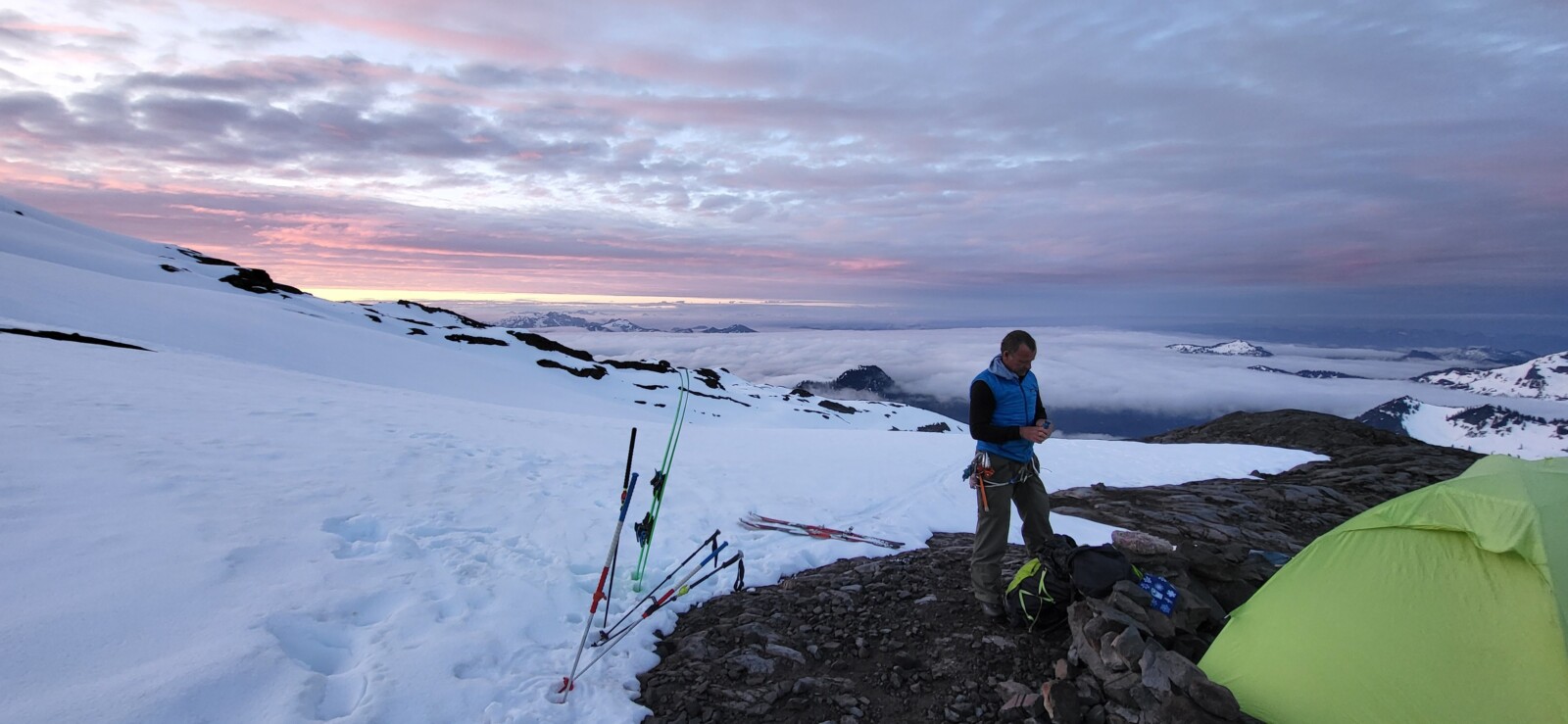
For all overnight programs, BBE and WMG provide group tents at high camp. Bring a sleeping bag rated to 20°F / -7°C or colder and a sleeping pad. No hut or refuge facilities exist on Baker or Shuksan — all camping is in expedition tents in alpine terrain.

Group technical gear — ropes, anchors, pickets, and rescue hardware — is provided by BBE/WMG. Personal gear is the climber’s responsibility. A full detailed gear list is provided to every confirmed participant.

Essential Personal Gear

  • Mountaineering boots — stiff, waterproof, crampon-compatible; fully broken in before arrival. These are your most critical item. If renting, arrange with American Alpine Institute in Bellingham well in advance
  • 12-point crampons — compatible with your boots; anti-balling plates recommended for spring and summer snow conditions
  • Ice axe — standard mountaineering length (60–70 cm)
  • Mountaineering harness — must fit over full mountain layers
  • Helmet — mandatory on all technical terrain
  • Headlamp — 300+ lumens, lithium batteries; summit starts before dawn

Layering System

The North Cascades are notorious for rapidly changing weather — warm and sunny one hour, wet and cold the next. No cotton at any layer above the trailhead.

  • Base layer: moisture-wicking merino or synthetic
  • Mid layer: fleece or softshell; insulated jacket for camp and summit push
  • Hard shell: waterproof/windproof jacket and pants — Gore-Tex or equivalent; essential for Baker and Shuksan weather
  • Gloves: liner gloves + waterproof insulated gloves; warm mittens for summit push
  • Warm hat, balaclava, gaiters; sunscreen SPF 50+ and glacier glasses (UV essential on glaciers even in overcast conditions)

Pack & Sleep

  • Daypack / summit pack 25–35L
  • Sleeping bag rated to 20°F / -7°C or colder
  • Sleeping pad (required — provided if not specified otherwise in your program)
  • Trekking poles — optional but helpful on steep descent

Weather in the North Cascades

The climbing season runs from late May through mid-September. Summer weather in the North Cascades is highly variable — clear mornings can give way to afternoon cloud and rain quickly. Mount Baker holds the world record for annual snowfall (1,140 inches in 1998–99) and receives well over 600 inches annually on average. Even in July and August, expect cold temperatures at camp (~20–35°F / -7 to 2°C at night) and potentially wet conditions at any time. Summit windows are typically best in the early morning before afternoon instability builds. Your guide makes all go/no-go decisions based on current conditions.

Food & Water

Food on the mountain is your responsibility unless otherwise specified in your program. Bring a 3-day food supply for the Baker 3-day programs and a 6-day supply for the Baker Mountaineering Course. Pack food you have tested and trust — calorie-dense, easy to prepare, and enough variety to maintain appetite in cold conditions. Water is obtained by melting snow at camp — a stove and fuel are provided by BBE/WMG. Carry a minimum 2-liter water capacity and an insulated bottle to prevent freezing.

Summit Timing

All three programs use early morning starts — typically midnight to 4:00 AM on summit day. This is deliberate: firm snow conditions on the glacier improve safety and efficiency, and the team aims to complete the technical sections before afternoon weather develops. Prepare psychologically for these starts — set a sleep schedule the evening before and eat a full dinner even if your appetite is low.

These are domestic US programs — no currency exchange needed. Local expenses are modest:

  • Northwest Forest Pass (trailhead parking): $5/day or $30 annual — not included in program fees
  • Meals in Seattle or Bellingham pre/post program: $15–$40 per person
  • Gear rentals (if needed): $30–$80/day for boots; $20–$40/day for crampons and ice axe
  • Gas: fill up in Maple Falls — budget $40–$60 for the roundtrip Seattle/Bellingham drive

Gratuities

Guide gratuities are not included in program pricing and are customary for professional guiding services. Standard benchmark for North Cascades day and multi-day programs: $50–$100 USD per climber per day for the guide, or a lump sum at the conclusion of the program that reflects the quality of the experience.

All three North Cascades programs are available as private departures — your group, your dates, your pace.

  • 1:1 private guiding on any program — fully personalized instruction and summit attempt
  • Custom duration — extend the Baker Mountaineering Course for additional skills time or shorten for focused summit objectives
  • Combined programs — Baker + Shuksan in a single 5–6 day North Cascades double summit week
  • Corporate and team programs — the North Cascades as a team building and leadership environment

Contact climbing@benegasbrothers.com to discuss.

Program Cost

1:1 (private): $3,000 per person

2:1 (shared): $2,000 per person

$500 deposit required to reserve your dates.


Price Includes

  • Certified mountain guide(s)
  • Park and National Forest climbing permits
  • Camping and cooking gear for the group
  • Technical group gear (ropes, anchors, rescue hardware)
  • Communication equipment

Price Does NOT Include

  • Guide travel expenses — airfare or hotel in Seattle
  • Hotel accommodations in Seattle or Glacier
  • Food (purchased as a group; costs shared)
  • Transportation to/from Seattle and trailhead; parking permits
  • Personal climbing gear and clothing
  • Gear rentals
  • Rescue and trip insurance
  • Guide gratuities (customary: $50–$100/day)
  • Any costs from itinerary changes outside BBE control

Total Personal Budget Estimate

  • Program fee (2:1): $2,000
  • Program fee (1:1): $3,000
  • Drive to Glacier, WA: $50–$150
  • Night before lodging: $80–$200
  • Food for 6 days: $100–$200
  • Northwest Forest Pass: $30/annual
  • Gear rental (if needed): $100–$300
  • Guide gratuity: $300–$600 (6 days)
  • Rescue insurance: $300–$500 / yr

Total estimate (2:1): ~$3,000–$4,000

The Mount Baker 6-Day Mountaineering Course runs during summer — typically June through August, with specific dates TBD. Maximum 2 climbers per guide.


Pricing

1:1 Private: $3,000 per person

2:1 Shared: $2,000 per person


Deposit & Payment

$500 deposit required. Balance due 120 days before the program start date. Climbers cover transport and meals; BBE/WMG covers permits and guiding costs.

Cancellation Policy

  • 121+ days: 75% refund of remaining balance
  • 90–120 days: 50% refund
  • 60–89 days: 25% refund
  • 59 days or less: no refund
Classic Mountaineering Class

Climbers can ice climb seracs and crevasses even in the height of summer. Challenging route finding through icefalls, seracs, and large crevasses.

Book Trip
Location:
Washington
Group:
1-2 people
Duration:
3-6 days
Skill:
Intermediate to Advanced
Activities:
Alpine Climbing
Pricing

Pricing is a typical estimate, final quote will be provided after receiving your inquiry.

Classic Mountaineering Class

Climbers can ice climb seracs and crevasses even in the height of summer. Challenging route finding through icefalls, seracs, and large crevasses.

1:1

3000

2:1

2000

Related Trips