USA Adventures USA

Mount Shuksan

3 Days Group: 2 people From $1500 per Person

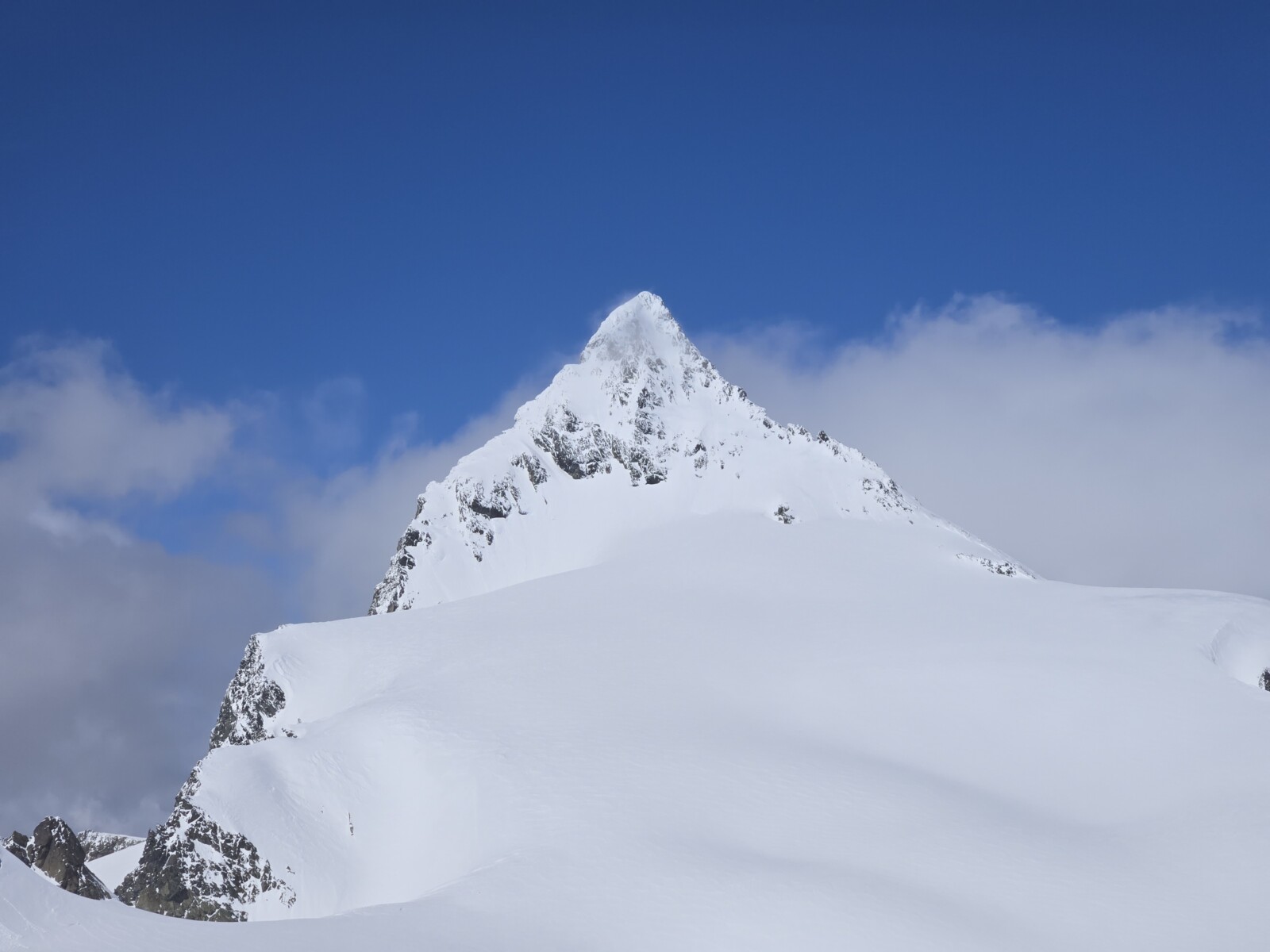
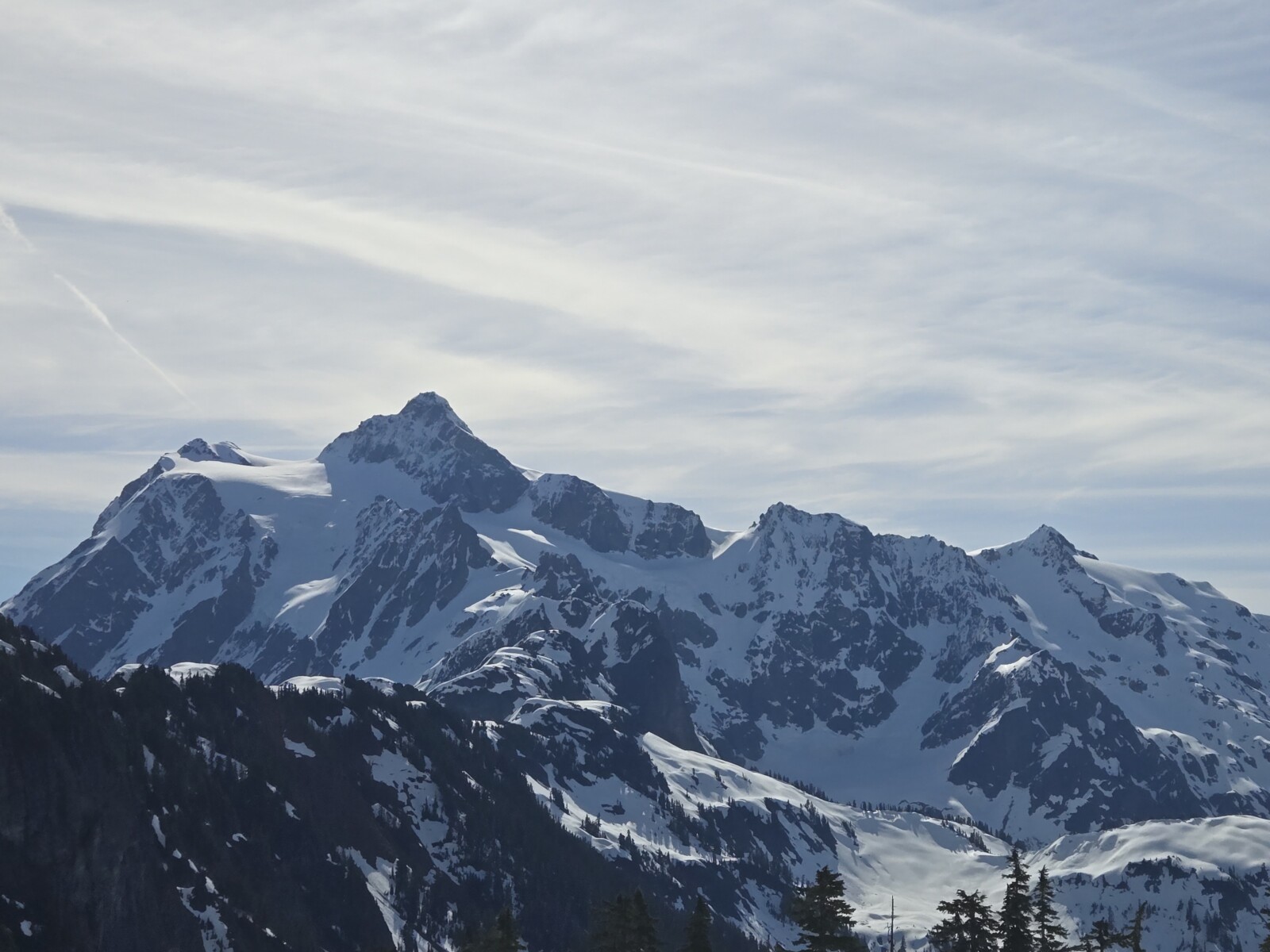
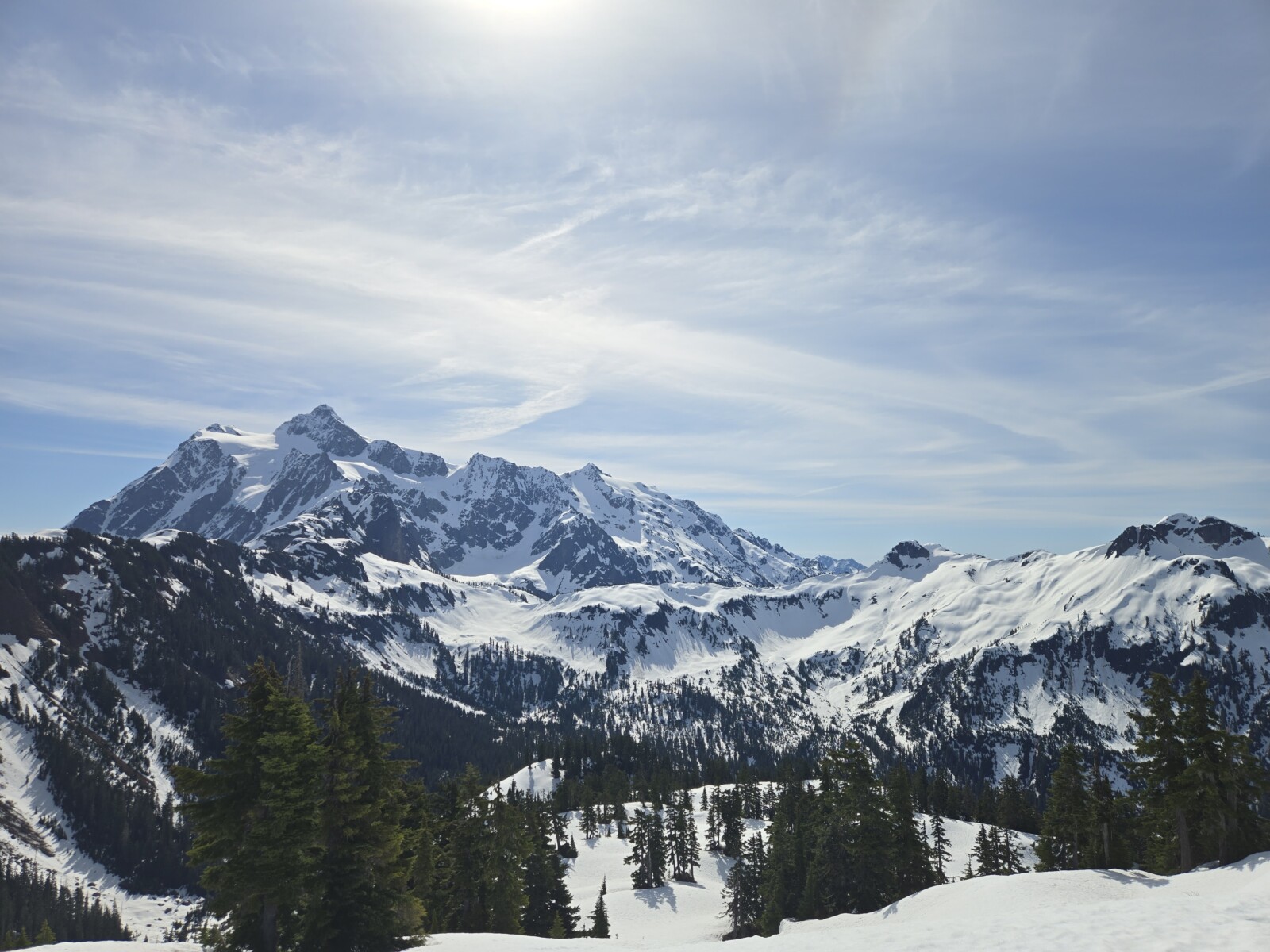
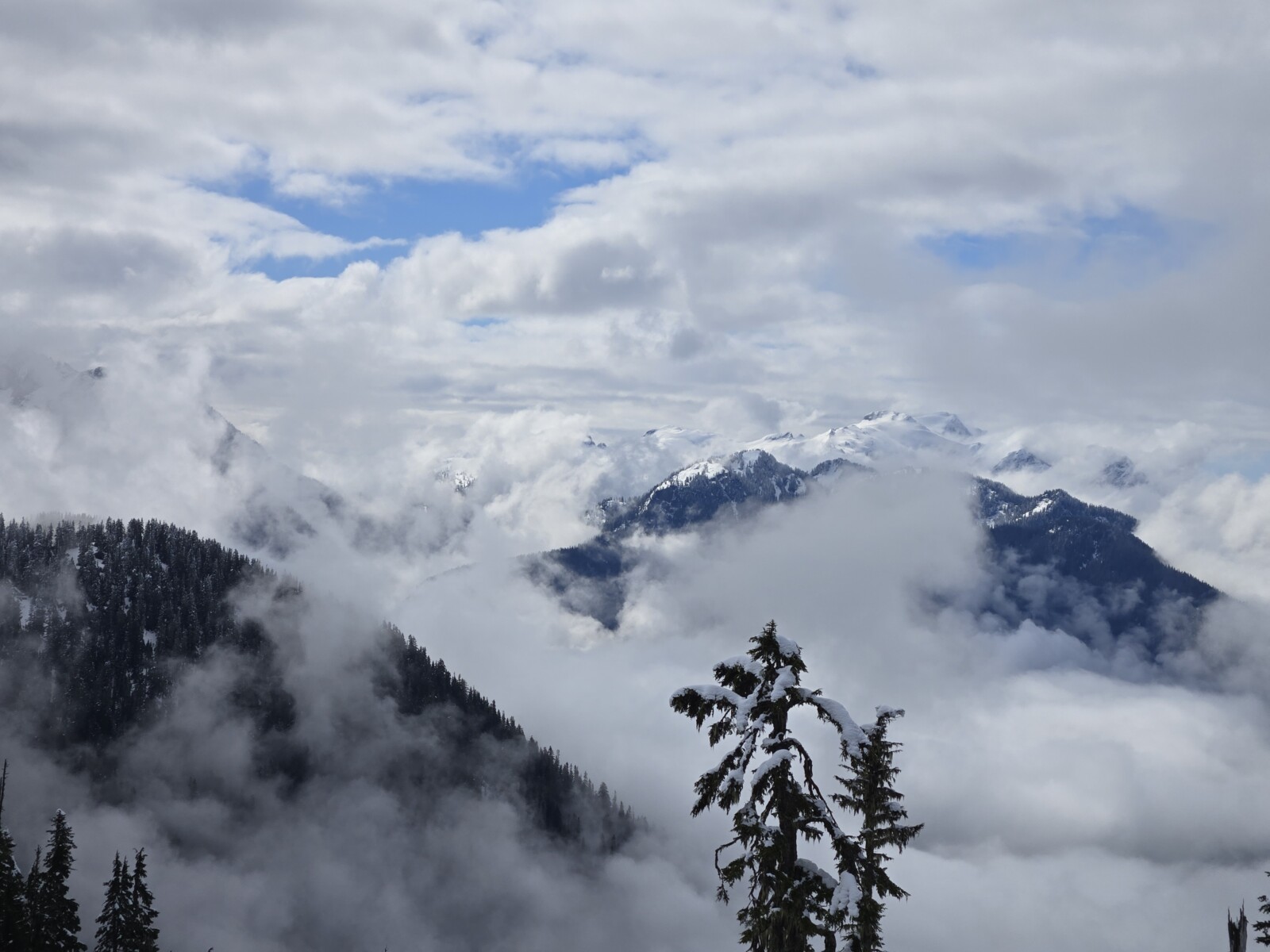
Mount Shuksan is situated on the northwestern edge of the famed North Cascades National Park in Washington and is a mere 10 miles east of neighbor Mount Baker. The world record holder for annual snowfall — the Mount Baker Ski Area — is actually located on the flanks of Mount Shuksan. It is a massive and complex mountain and is often compared to the Weisshorn of the Swiss Alps. Its varied rock terrain, hanging glaciers, and complicated route finding make it an excellent objective for the beginning or advanced climber.

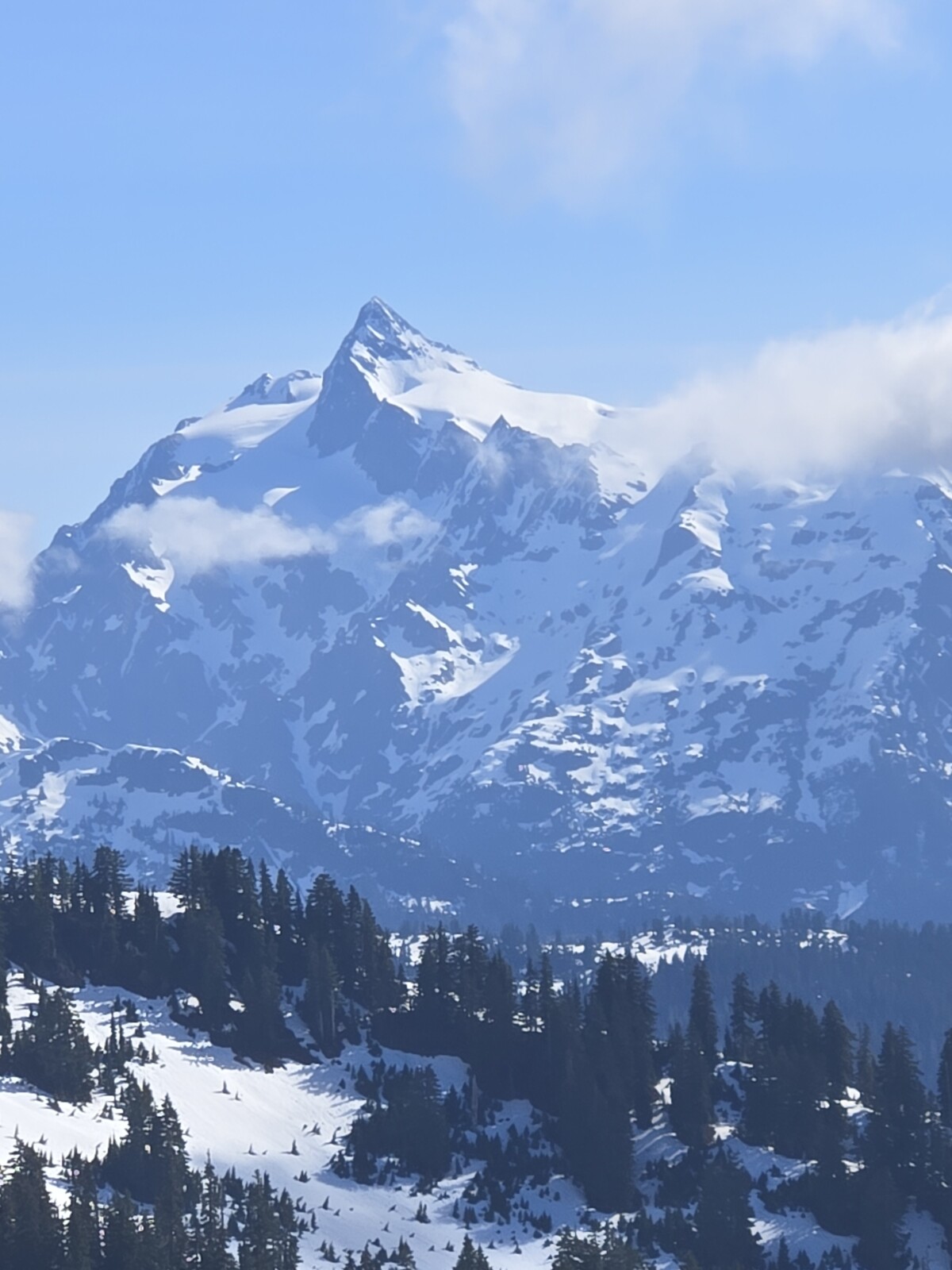
The Fisher Chimneys Route is a longer, more involved and advanced climb than the standard Sulphide Glacier route, and is a great introduction to intermediate level alpine climbing with reasonable technical difficulties. The ascent follows a scenic glacier-carved valley to a little lake overlooking a spectacular basin. The climb initially involves easy rock climbing in a series of chimneys, then climbs a fun and short section of alpine ice, and continues over moderate glaciated terrain on parts of three different glacier systems. All routes on Mount Shuksan culminate with the imposing 700 ft summit pyramid which is commonly climbed up a central snow and rock gully, or the more aesthetic 5.5 rock of the southeast ridge.

What Makes Shuksan Special

Shuksan is different from its neighbor Baker in an important way: it is not a volcano. Where Baker is a broad glaciated stratovolcano, Shuksan is a sharply defined metamorphic rock pyramid wrapped in glaciers — genuinely technical, genuinely photogenic, and genuinely complex in its route finding. The Fisher Chimneys Route involves rock climbing, glacier travel, and a summit pyramid that requires technical competence on mixed terrain. It is one of the most complete alpine objectives in the lower 48 states — more demanding and more varied than Baker’s standard route.

Shuksan’s summit sits at 9,131 ft / 2,783 m — modest in elevation but substantial in challenge. The mountain’s reputation is built not on altitude but on character. For a deeper look at Shuksan’s geological uniqueness, see nps.gov/noca.

Skills Practiced

  • Selection and use of personal equipment, ropes, knots, and harnesses
  • Crampon use and snow climbing techniques, ice axe positioning, and self-arrest techniques
  • Roped glacier travel, rope team management, route finding, and crevasse navigation across three glacier systems
  • Hazard assessment including a discussion of objective vs. subjective hazards
  • Camp construction, camp management, and cold weather camping skills
  • Proper clothing and climbing gear for survival in the high mountains, mountain weather, alpine ecology, avalanche hazard assessment, and Leave No Trace ethics
  • Rock climbing technique on 4th class and low 5th class terrain in the Fisher Chimneys

3 Days  ·  Artist Point, WA → High Camp → Summit → Artist Point

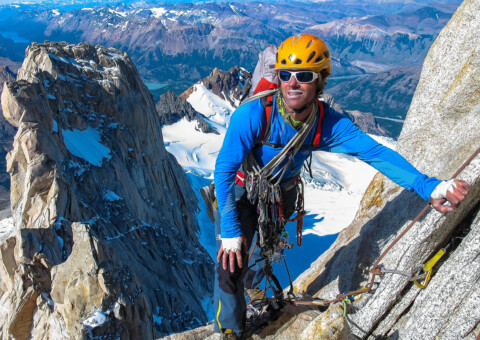
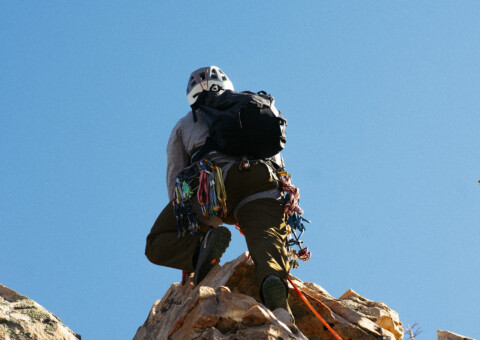
The Fisher Chimneys Route involves 4th to low 5th class rock in the chimneys and 5.0–5.5 rock on the summit pyramid. Summit timing is always guide-dependent based on current conditions.

The drive from Seattle to the Artist Point trailhead takes approximately 3.5 hours. Gear check and team briefing at the trailhead. Today we hike all the way to high camp, enjoying a traverse and easy rock climbing — 4th to low 5th class — in a series of chimneys along the way. Above the chimneys, we climb up Winnie’s Slide on moderate snow and ice to set up high camp. The approach reveals the full scale and beauty of Shuksan: hanging glaciers, rock buttresses, and the distant summit pyramid already visible above.

Overnight: High Camp — Fisher Chimneys area

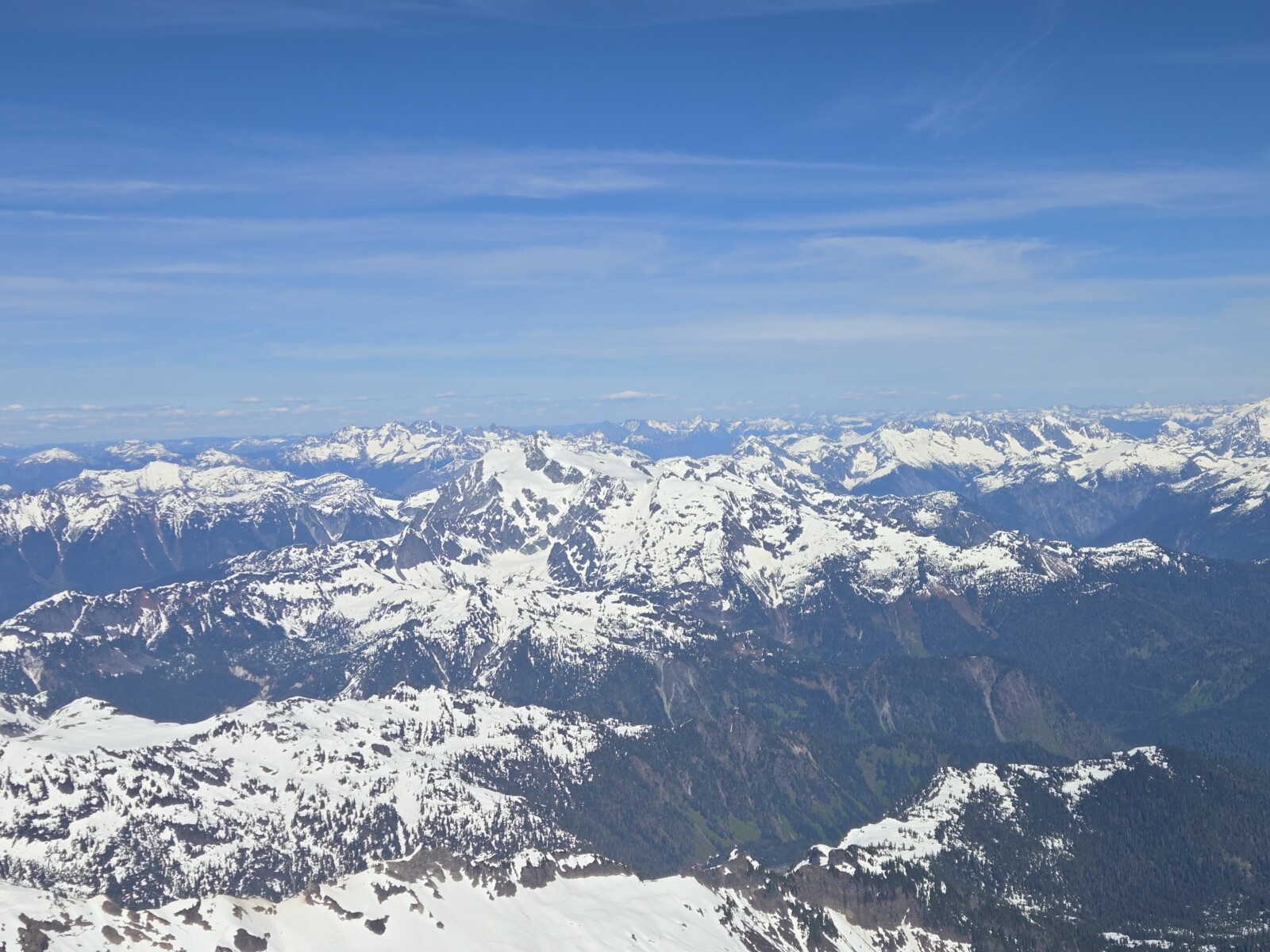
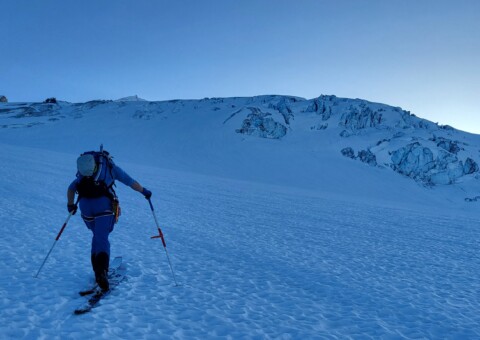
Summit day begins at Mount Shuksan with a pre-dawn start. We climb up and over parts of three different glaciers — the White Salmon, Upper Curtis, and Sulphide Glaciers. The final section of the Fisher Chimneys Route concludes with a 5.0 rock climb up the central part of the summit pyramid, or a 5.5 variation up the Southeast Ridge. The summit of Mount Shuksan is perhaps one of the finest vantage points in all of the North Cascades — Baker rises directly to the west, the Pickets, Nooksack Tower, and the full sweep of the range stretch in every direction. The long descent is made by reversing the climbing route. Today we descend to high camp for rest and celebration.

Overnight: High Camp

Break camp and hike and climb all the way back down to the Artist Point trailhead. Expect to arrive back in Seattle by late afternoon or early evening.

Overnight: —

Mount Shuksan’s Fisher Chimneys Route is not a beginner climb. It is more committing than Baker’s Coleman-Deming Route, involving a longer approach, complex route finding across multiple glacier systems, and technical rock on both the chimneys and the summit pyramid. It is an intermediate to advanced objective that rewards climbers with genuine technical experience and the willingness to operate in complex alpine terrain.

Technical Experience Required

Prior glacier travel experience is strongly recommended — this route crosses parts of three separate glaciers with crevasse navigation, roped team movement, and ice axe self-arrest required throughout. The Fisher Chimneys themselves involve 4th class and low 5th class rock climbing with a pack. The summit pyramid reaches 5.0–5.5 rock at altitude.

Climbers who have completed the Mount Baker Coleman-Deming Route or the 6-Day Mountaineering Course are well positioned for Shuksan. Prior experience on any glaciated North Cascades peak, or equivalent background from the Cascades, Alps, or Andes, provides strong preparation.

Fitness

Day 1 involves a long approach with elevation gain and technical terrain to reach high camp. Day 2 is the most demanding: pre-dawn start, complex multi-glacier travel, and technical rock on the summit pyramid. You should be capable of sustained uphill movement with a full pack for 8+ hours on consecutive days.

What Makes This Hard

  • The route finding — Shuksan is complex; the Fisher Chimneys line is not obvious; guide knowledge of current conditions is essential
  • The summit pyramid — 700 ft of technical rock at altitude after a long glacier approach; not difficult in isolation but serious in context
  • The multi-glacier traverse — crossing three separate glaciers requires efficient rope team movement and good crampon technique throughout
  • The descent — reversing technical terrain while fatigued requires consistent focus and strong guide communication

Is Shuksan the Right Choice?

If you have completed Baker’s Coleman-Deming Route and want a more complex, more technically varied objective — Shuksan is the natural next step. If you have not yet been on a glaciated summit, we recommend starting with Baker first. If you are an experienced mountaineer looking for one of the most beautiful and satisfying climbs in the Pacific Northwest — Shuksan is exactly that.

Shuksan’s Fisher Chimneys Route is more technically demanding and more complex. Where Baker’s Coleman-Deming is a glacier climb with one steep section (the Roman Wall), Shuksan involves rock climbing in the chimneys, multi-glacier travel across three separate systems, and a technical summit pyramid reaching 5.5. It is a longer, more committing day and requires stronger prior technical foundation.

The Fisher Chimneys are 4th class and low 5th class — within the range of most people with general outdoor experience and solid footwork. You don’t need prior rock climbing instruction, but exposure to scrambling or basic climbing will help. The summit pyramid reaches 5.5 on the SE Ridge variation — this is genuine climbing, not scrambling, and your guide manages the pace and protection throughout.

Mount Shuksan lies within North Cascades National Park. No fee climbing permit is required for the Fisher Chimneys Route, but a free NPS backcountry permit is required for overnight camping. BBE coordinates all permit requirements. Trailhead parking at Artist Point requires a Northwest Forest Pass ($5/day).

The Sulphide Glacier Route is Shuksan’s standard route — longer, less technical, and more commonly used for guided ascents. The Fisher Chimneys Route is shorter in total distance but more technical, with the chimney sections and a more committing summit pyramid. The Fisher Chimneys line is widely considered the more rewarding of the two. BBE guides this route specifically for its quality as a climbing objective.

Yes. North Cascades National Park terrain is serious and remote. Helicopter evacuation from high on Shuksan can cost $10,000+ without coverage. Rescue insurance is mandatory for all BBE programs — see the Before You Go section for recommended providers.

Deposits are non-refundable. 121+ days: 75% refund; 90–120 days: 50%; 60–89 days: 25%; 59 days or less: no refund. All cancellations in writing.

All three North Cascades programs share the same gateway, the same regional logistics, and the same preparation framework. This section applies fully to the Mount Shuksan Fisher Chimneys Route and cross-references the other two BBE programs in this region.

No Passport or Visa Required

These programs operate entirely within the United States — no passport, visa, or international documentation is required for US citizens. International participants must ensure their US visa or entry status is current before departure.

Rescue Insurance — Required

Rescue and evacuation insurance is required for all BBE programs. The North Cascades are remote — helicopter evacuation from high on Baker or Shuksan can cost $5,000–$15,000+ without coverage. Your policy must cover technical mountaineering and glacier rescue in a wilderness environment. We recommend Global Rescue (globalrescue.com). Trip cancellation insurance is strongly recommended for all multi-day programs.

NPS & National Forest Permits

Mount Baker and the Heliotrope Ridge trailhead are in the Mount Baker-Snoqualmie National Forest. A Northwest Forest Pass ($5/day or $30/annual) or an annual America the Beautiful pass is required for trailhead parking. Mount Shuksan lies within North Cascades National Park — no additional climbing permit is required for the Fisher Chimneys Route, but a free NPS backcountry permit is required for overnight camping in the park. BBE and WMG coordinate all National Forest climbing permits — these are included in your program fee.

Getting to the North Cascades

Your nearest major gateway is Seattle-Tacoma International Airport (SEA). Both Baker and Shuksan trailheads are accessed via State Route 542 (Mount Baker Highway) east from Bellingham. The drive from Seattle to Glacier, WA — the last town before the trailheads — is approximately 90 miles / 3 hours via I-5 north to Bellingham, then SR-542 east. From Bellingham, it is approximately 60 miles / 1.5 hours to the Glacier area.

Your meeting point for all three programs is the USFS Glacier Public Service Center, Glacier, WA — 8:00 AM on Day 1. Plan to arrive in the Seattle or Bellingham area the night before. Do not fly into Seattle the morning of Day 1.

Driving

Renting a car in Seattle or Bellingham is the most practical option for these programs. SR-542 is a well-maintained highway. The last gas station is in Maple Falls — fill up before continuing east. No cell service is available in Glacier or beyond. Download offline maps before you leave Bellingham.

Gear Rentals

The American Alpine Institute in Bellingham, WA (americanalpineinstitute.org) is the closest professional gear rental source to these trailheads — approximately 60 miles west of Glacier. Rentals available include mountaineering boots, crampons, ice axes, harnesses, and trekking poles. Rental requests must be arranged before arrival — contact AAI directly at least one week before your program.

There are no hotels in Glacier, WA. Lodging options are:

Glacier & Maple Falls — Closest to Trailheads

  • Blue T Lodge, Glacier — comfortable rooms with free Wi-Fi and in-room coffee; well-positioned for early departures
  • Snowater Resort, Glacier — cabin and condo rentals near the Nooksack River; hot tub, sauna, pool
  • Mt. Baker Lodging (mtbakerlodging.com) — privately owned cabins, cottages, and chalets along SR-542 in and around Glacier and Maple Falls; fully equipped self-catered rentals
  • Airbnb and VRBO cabins — strong selection in the Glacier Springs neighborhood; book well in advance for summer weekends

Bellingham — 60 Miles West

Bellingham offers full hotel options (Hampton Inn, Marriott Courtyard, Hotel Leo) with access to restaurants, gear shops, and services. Approximately 1.5 hours from the trailheads — appropriate if arriving the night before or departing the evening of Day 1/Day 3.

On the Mountain

For all overnight programs, BBE and WMG provide group tents at high camp. Bring a sleeping bag rated to 20°F / -7°C or colder and a sleeping pad. No hut or refuge facilities exist on Baker or Shuksan — all camping is in expedition tents in alpine terrain.

Group technical gear — ropes, anchors, pickets, and rescue hardware — is provided by BBE/WMG. Personal gear is the climber’s responsibility. A full detailed gear list is provided to every confirmed participant.

Essential Personal Gear

  • Mountaineering boots — stiff, waterproof, crampon-compatible; fully broken in before arrival. These are your most critical item. If renting, arrange with American Alpine Institute in Bellingham well in advance
  • 12-point crampons — compatible with your boots; anti-balling plates recommended for spring and summer snow conditions
  • Ice axe — standard mountaineering length (60–70 cm)
  • Mountaineering harness — must fit over full mountain layers
  • Helmet — mandatory on all technical terrain
  • Headlamp — 300+ lumens, lithium batteries; summit starts before dawn

Layering System

The North Cascades are notorious for rapidly changing weather — warm and sunny one hour, wet and cold the next. No cotton at any layer above the trailhead.

  • Base layer: moisture-wicking merino or synthetic
  • Mid layer: fleece or softshell; insulated jacket for camp and summit push
  • Hard shell: waterproof/windproof jacket and pants — Gore-Tex or equivalent; essential for Baker and Shuksan weather
  • Gloves: liner gloves + waterproof insulated gloves; warm mittens for summit push
  • Warm hat, balaclava, gaiters; sunscreen SPF 50+ and glacier glasses (UV essential on glaciers even in overcast conditions)

Pack & Sleep

  • Daypack / summit pack 25–35L
  • Sleeping bag rated to 20°F / -7°C or colder
  • Sleeping pad (required — provided if not specified otherwise in your program)
  • Trekking poles — optional but helpful on steep descent

Weather in the North Cascades

The climbing season runs from late May through mid-September. Summer weather in the North Cascades is highly variable — clear mornings can give way to afternoon cloud and rain quickly. Mount Baker holds the world record for annual snowfall (1,140 inches in 1998–99) and receives well over 600 inches annually on average. Even in July and August, expect cold temperatures at camp (~20–35°F / -7 to 2°C at night) and potentially wet conditions at any time. Summit windows are typically best in the early morning before afternoon instability builds. Your guide makes all go/no-go decisions based on current conditions.

Food & Water

Food on the mountain is your responsibility unless otherwise specified in your program. Bring a 3-day food supply for the Baker 3-day programs and a 6-day supply for the Baker Mountaineering Course. Pack food you have tested and trust — calorie-dense, easy to prepare, and enough variety to maintain appetite in cold conditions. Water is obtained by melting snow at camp — a stove and fuel are provided by BBE/WMG. Carry a minimum 2-liter water capacity and an insulated bottle to prevent freezing.

Summit Timing

All three programs use early morning starts — typically midnight to 4:00 AM on summit day. This is deliberate: firm snow conditions on the glacier improve safety and efficiency, and the team aims to complete the technical sections before afternoon weather develops. Prepare psychologically for these starts — set a sleep schedule the evening before and eat a full dinner even if your appetite is low.

These are domestic US programs — no currency exchange needed. Local expenses are modest:

  • Northwest Forest Pass (trailhead parking): $5/day or $30 annual — not included in program fees
  • Meals in Seattle or Bellingham pre/post program: $15–$40 per person
  • Gear rentals (if needed): $30–$80/day for boots; $20–$40/day for crampons and ice axe
  • Gas: fill up in Maple Falls — budget $40–$60 for the roundtrip Seattle/Bellingham drive

Gratuities

Guide gratuities are not included in program pricing and are customary for professional guiding services. Standard benchmark for North Cascades day and multi-day programs: $50–$100 USD per climber per day for the guide, or a lump sum at the conclusion of the program that reflects the quality of the experience.

All three North Cascades programs are available as private departures — your group, your dates, your pace.

  • 1:1 private guiding on any program — fully personalized instruction and summit attempt
  • Custom duration — extend the Baker Mountaineering Course for additional skills time or shorten for focused summit objectives
  • Combined programs — Baker + Shuksan in a single 5–6 day North Cascades double summit week
  • Corporate and team programs — the North Cascades as a team building and leadership environment

Contact us to discuss.

Program Cost: From $1500 USD per person

Price Includes

  • Professional mountain guide
  • National Forest and NPS climbing and backcountry permits
  • Group climbing equipment (ropes, anchors, protection hardware)
  • Group tents for mountain camps

Price Does NOT Include

  • Guide travel expenses
  • Food on the mountain — bring all meals and snacks for 3 days
  • Transportation to/from Artist Point trailhead
  • Northwest Forest Pass ($5/day)
  • Lodging in Glacier or Bellingham
  • Personal climbing gear and clothing
  • Gear rentals
  • Guide gratuities (customary: $50–$100/day)
  • Rescue insurance (required)

Total Personal Budget Estimate

  • Program fee: From $1500+
  • Drive to Artist Point, WA: $50–$150
  • Night before lodging (recommended): $80–$200
  • Food for 3 days on mountain: $40–$80
  • Northwest Forest Pass: $5/day or $30/annual
  • Gear rental (if needed): $80–$200
  • Guide gratuity: $150–$300
  • Rescue insurance: $300–$500 / yr

Total estimate: ~$2,300–$3,100

The Fisher Chimneys Route is accessible from late June through mid-September — the snowpack above the chimneys must be sufficient for glacier travel and the approach terrain needs to be clear of hazardous early-season conditions. July and August offer the most reliable conditions. Maximum 2 climbers per guide.


Program Options

3-Day Fisher Chimneys Ascent: From $900 per person  ·  1:1 or 2:1 guide ratio


Payment Policy

A deposit is required to reserve your dates. Balance due 120 days before the program start date. Payment by credit card, wire transfer, or ACH.

Cancellation Policy

  • 121+ days: 75% refund of remaining balance
  • 90–120 days: 50% refund
  • 60–89 days: 25% refund
  • 59 days or less: no refund
The Most Beautiful Mountain in the North Cascades.

Shuksan's pyramid summit rises above three glaciers and 700 feet of technical rock — a mountain compared to the Weisshorn of the Swiss Alps, sitting 10 miles from its neighbor Baker in one of the finest alpine regions in North America.

Book Trip
Location:
Washington
Group:
2 people
Duration:
3 Days
Skill:
Intermediate to Advanced
Activities:
Alpine Climbing
Pricing

Pricing is a typical estimate, final quote will be provided after receiving your inquiry.

The Most Beautiful Mountain in the North Cascades.

Shuksan's pyramid summit rises above three glaciers and 700 feet of technical rock — a mountain compared to the Weisshorn of the Swiss Alps, sitting 10 miles from its neighbor Baker in one of the finest alpine regions in North America.

Related Trips