Global Expeditions Mexico

Volcanoes of Mexico Expedition

9 Days Group: 6 people From $4,500 per Person

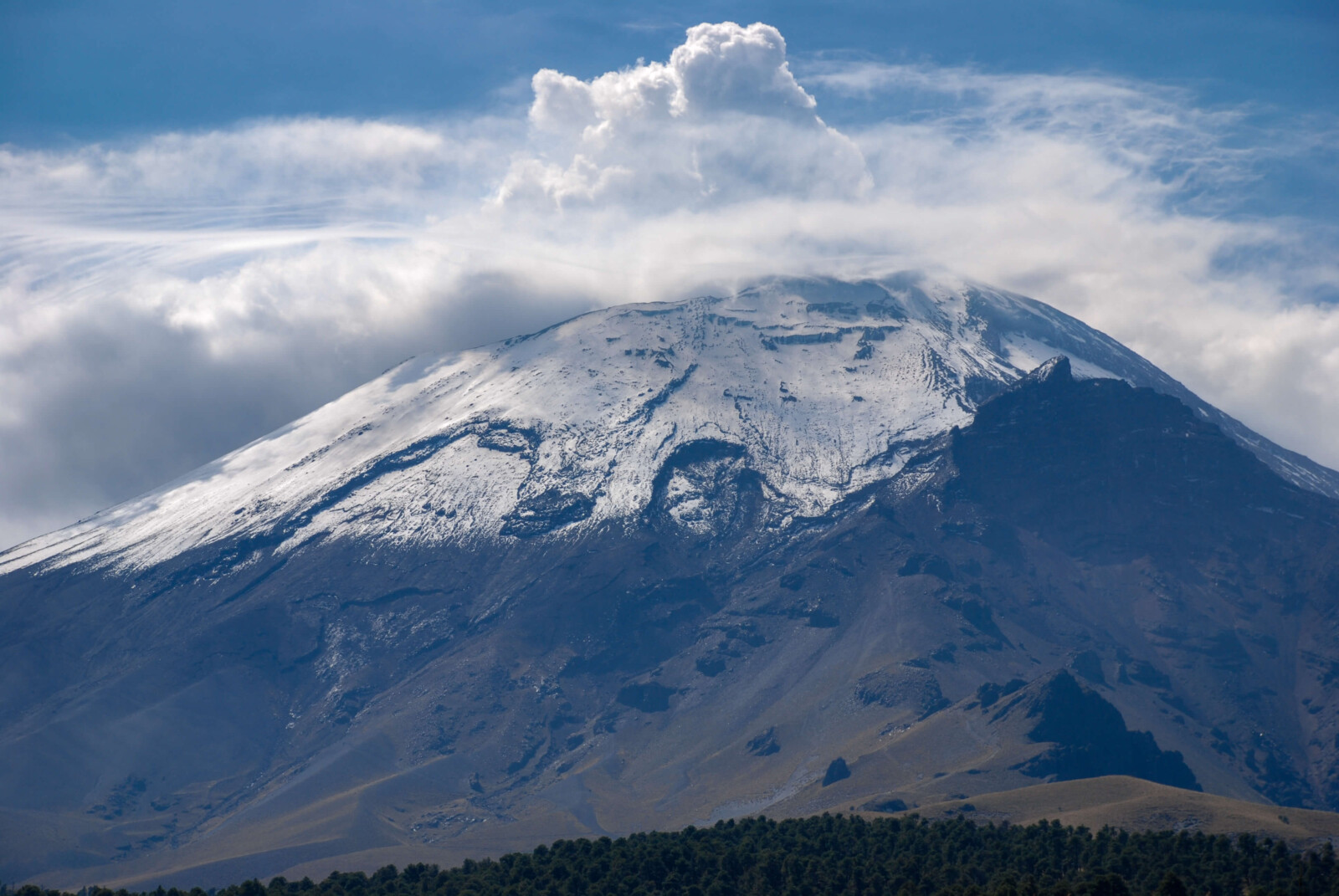
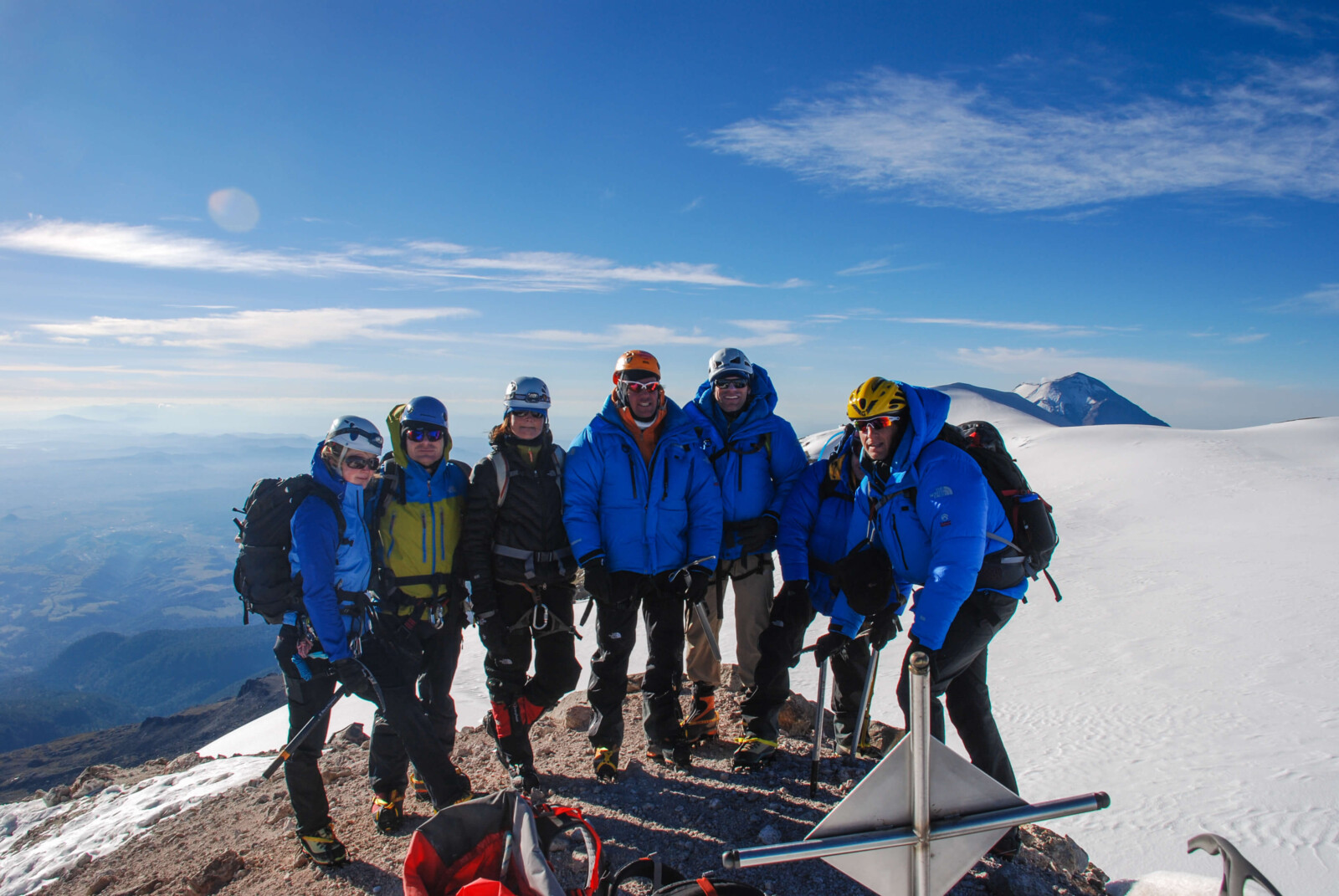
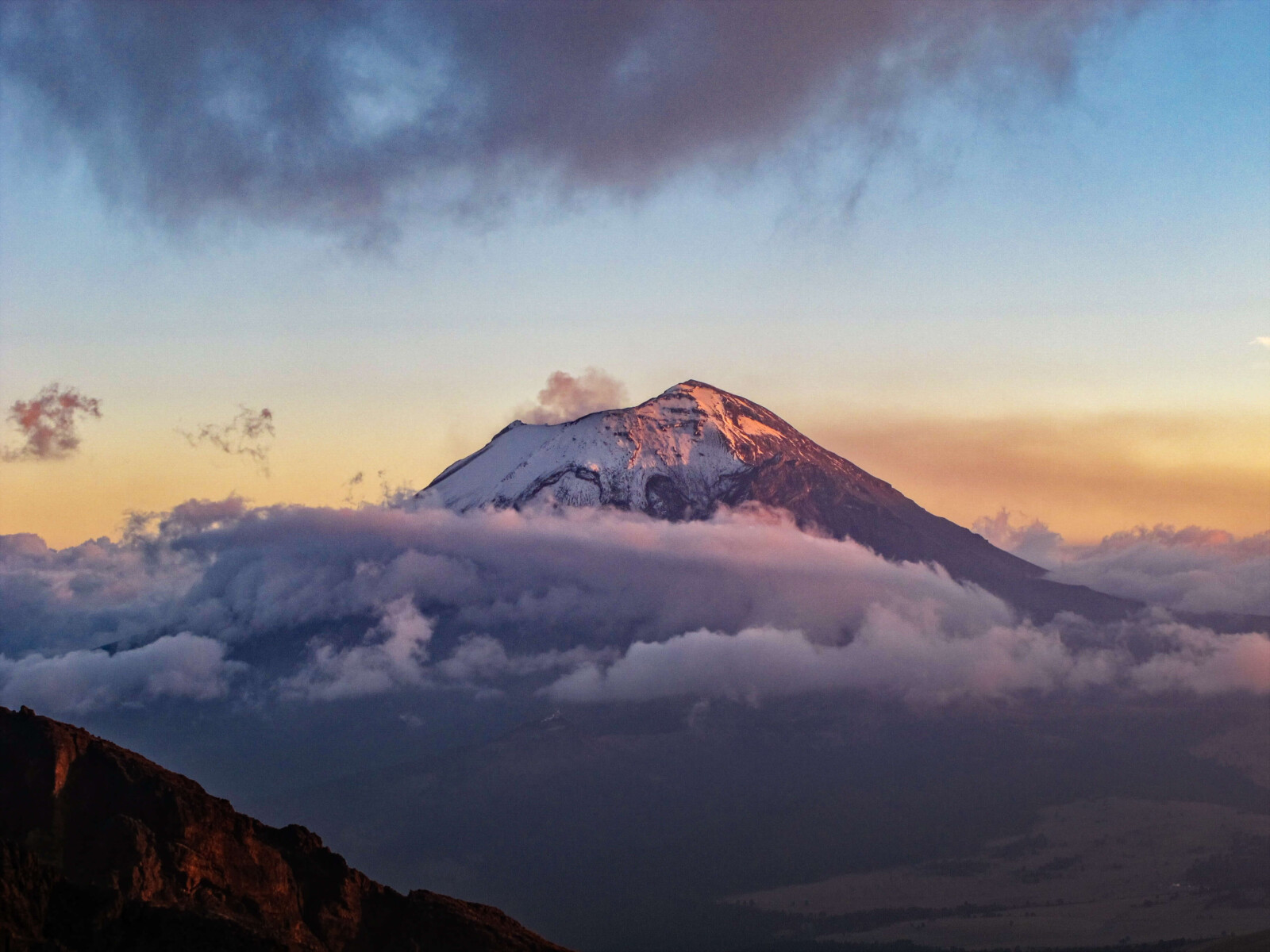
The Volcanoes of Mexico Expedition is one of the best introductions to high-altitude glaciated mountaineering anywhere in the world. In just 9 days, climbers move from the historic highlands of central Mexico to the summit of Pico de Orizaba — the highest mountain in Mexico and the third-highest peak in North America at 18,491 ft / 5,636 m.

This is not a trekking trip. Orizaba requires crampons, ice axe, glacier travel systems, and the ability to move efficiently for long hours at altitude. Yet unlike larger international expeditions that require weeks away from home, Mexico offers a rare opportunity to gain meaningful alpine and glacier experience within a compact schedule.

For climbers preparing for larger objectives like Aconcagua, Denali, or the greater Andes, there are few climbs that provide this level of altitude, glacier terrain, and expedition experience in such an efficient format.

The Structure

This expedition is intentionally designed around acclimatization and progression. Before moving to Orizaba, we first climb La Malinche at 4,461 m / 14,636 ft — the perfect acclimatization peak. Then Sierra Negra at 4,680 m / 15,354 ft, pushing that adaptation further before the team sleeps at Piedra Grande base camp. By the time we arrive beneath Orizaba, the team is acclimatized, organized, and moving with purpose.

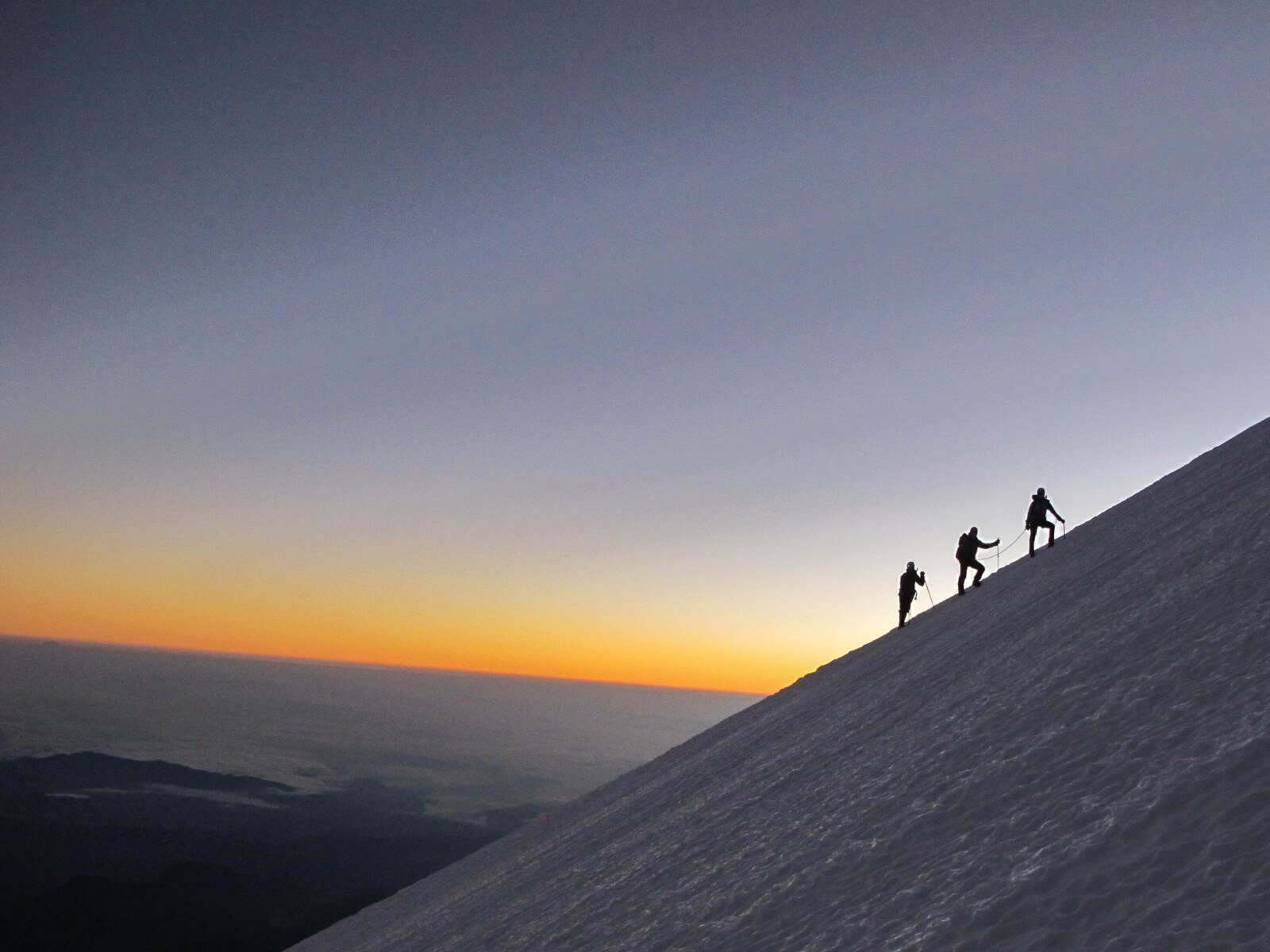
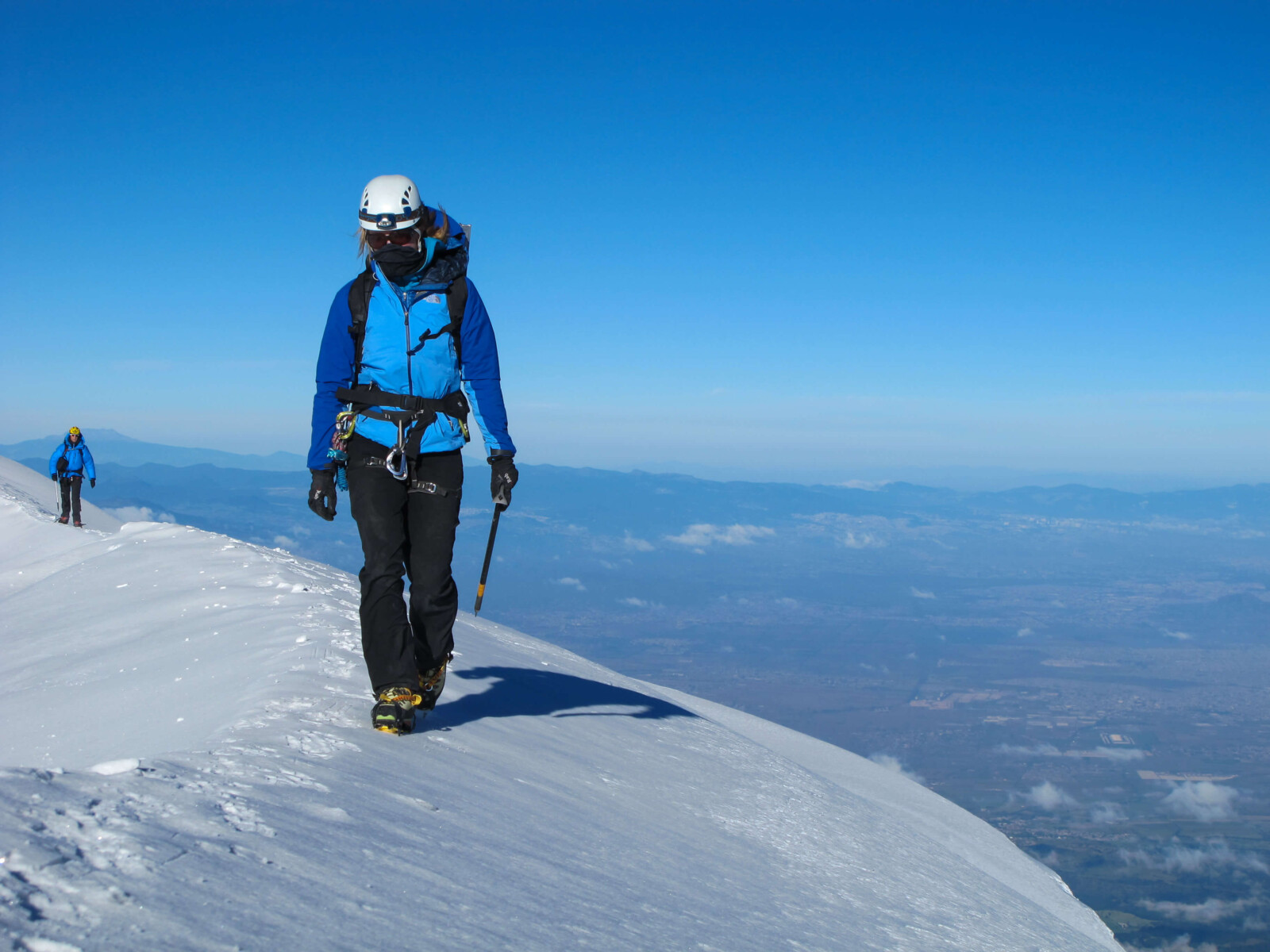
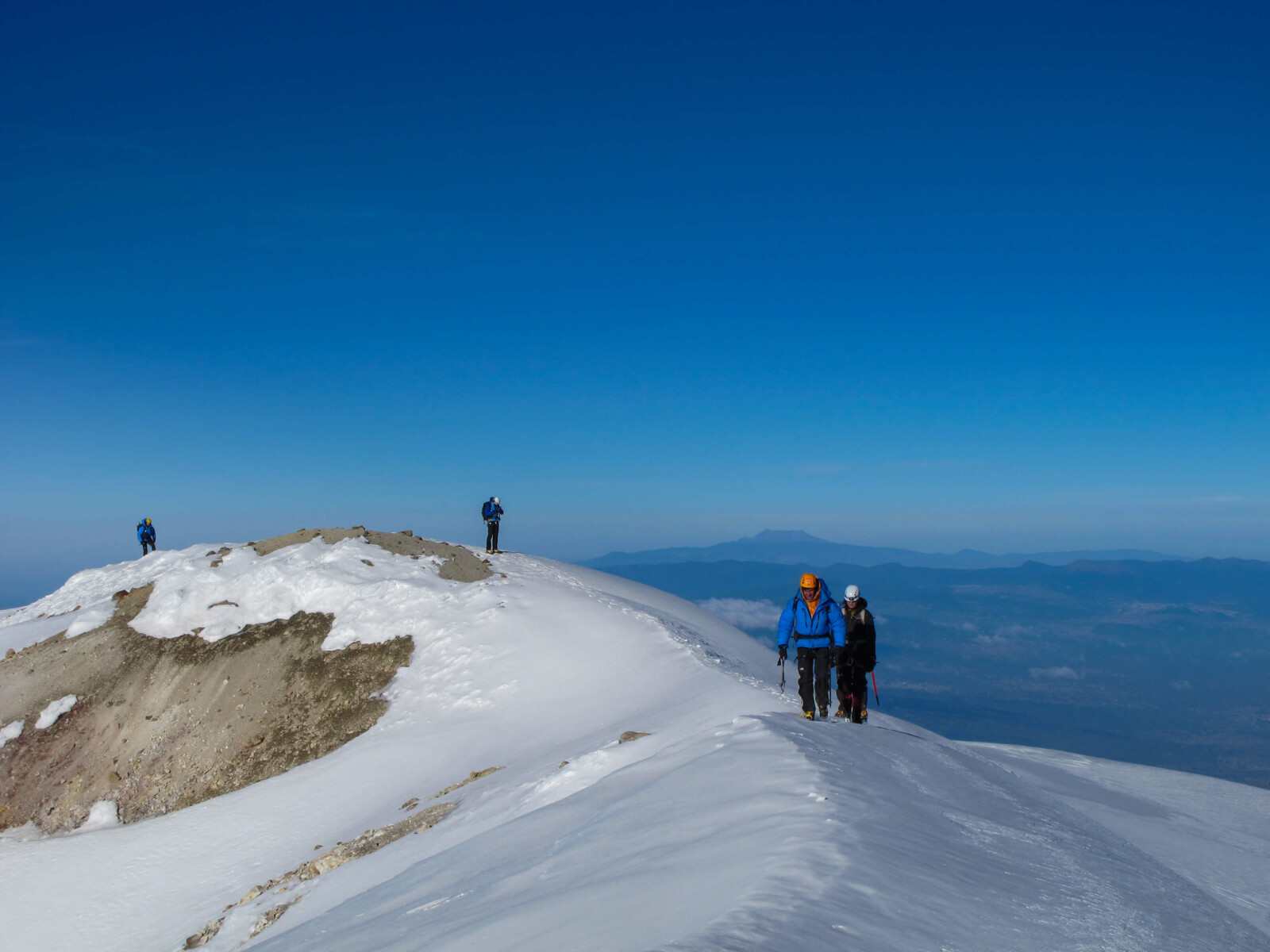
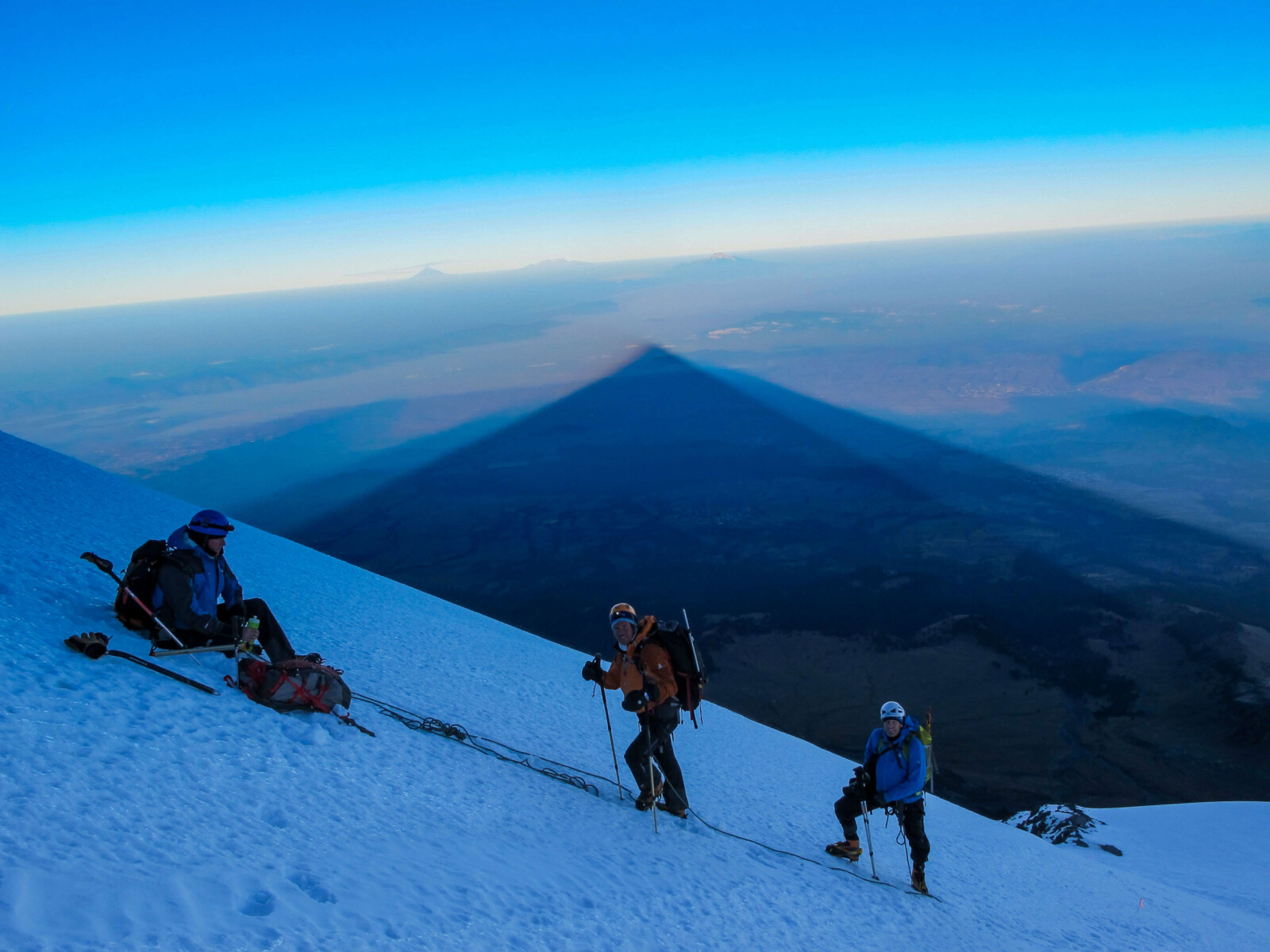
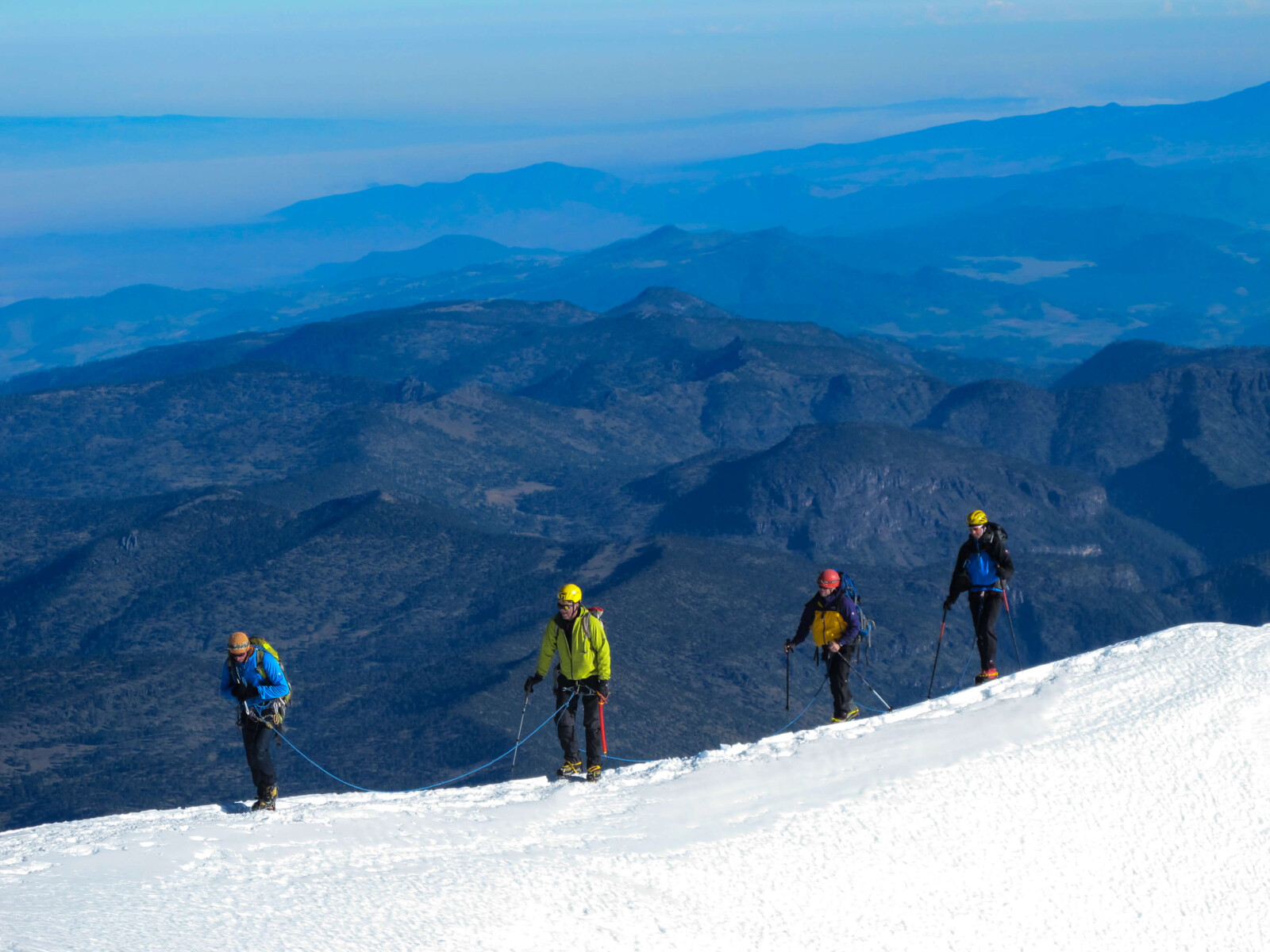
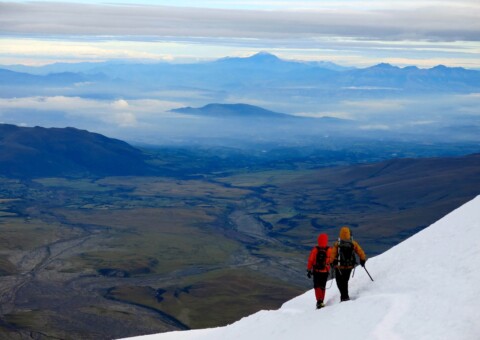
From high camp, summit day begins in the early hours of the morning. We climb through volcanic terrain and the Labyrinth before stepping onto the Jamapa Glacier above 4,900 m. From there, steady snow slopes lead toward the crater rim and the highest point in Mexico.

Built for Learning — Not Just Summits

One of the reasons we return to Mexico is because the mountains offer an exceptional combination of real technical terrain and accessible logistics. Every day of this expedition is a learning environment. Summit day on Orizaba closely mirrors the demands found on larger international peaks — giving climbers valuable experience operating in true alpine environments.

Expedition Details

Duration: 9 days

Price: $4,500 USD per person

Peaks: La Malinche · Sierra Negra · Pico de Orizaba (18,491 ft)

Difficulty: Intermediate

Group size: Max 6 climbers

Guide ratio: 2:1

Experience required: None — technical skills taught on expedition

Three Decades in These Mountains

Willie and Damian Benegas return to Mexico because it delivers — a genuine glaciated summit, serious acclimatization value, and an expedition experience that most climbers don’t expect. The food, the historic haciendas, the volcanoes in every direction — this is a real expedition with real culture built in.

9 Days  ·  La Malinche · Sierra Negra · Pico de Orizaba

This itinerary is a guide, not a contract. Acclimatization, weather, and team readiness always drive final decisions.

Fly into Mexico City International Airport (MEX) with an early afternoon arrival. The team meets at 5PM for a full equipment check and expedition orientation — gear, altitude, pacing, and Leave No Trace. Dinner in the neighborhood near the hotel. Tonight is about arriving rested, getting organized, and getting ready.

Overnight: Mexico City hotel

After breakfast, we visit the National Museum of Anthropology — one of the finest museums in the world and an essential introduction to the culture and history of Mexico. From the museum, we drive east toward the base of La Malinche, arriving at our hacienda in the late afternoon. Tonight is your first night at real altitude. Sleep well. Hydrate well.

Overnight: Hacienda Santa Barbara

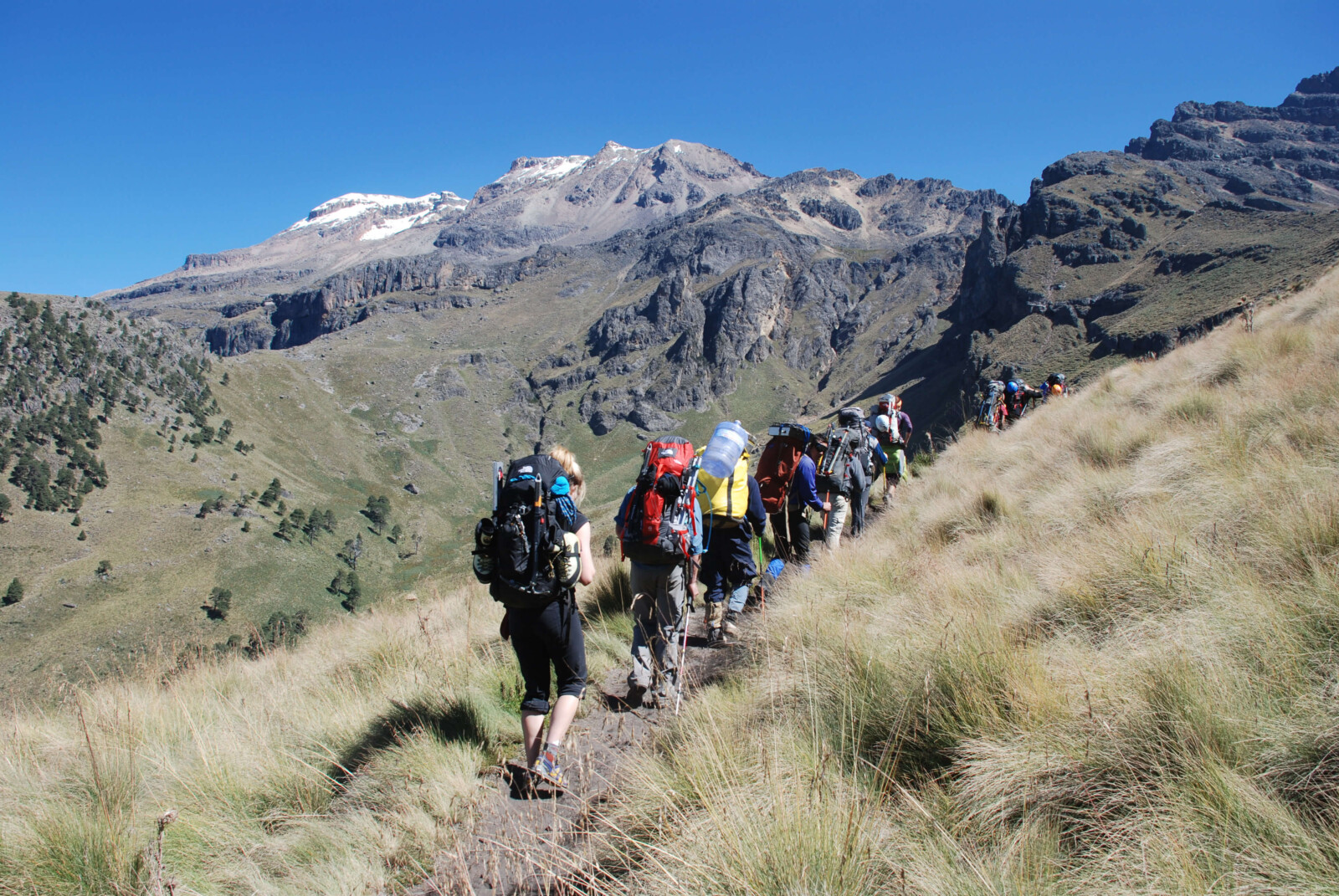
Early departure for the summit of La Malinche. A long, sustained ascent through open terrain with wide views of Mexico’s volcanic spine — Iztaccíhuatl, Popocatépetl, and on a clear day, Orizaba in the distance. Your body is learning how to work at altitude. Your guide is watching how you move, how you breathe, how you recover. After summiting, descend and drive to Hacienda Soltopec for recovery. Vertical gain: 1,413 m / 4,636 ft. Hiking time: 5–7 hours.

Overnight: Hacienda Soltopec

A slower morning at Soltopec. After lunch we drive toward the Orizaba zone. Destination: Zoapan, a small mountain community above 3,000 m and minutes from the Sierra Negra trailhead.

Overnight: Hostel La Fuente, Ciudad Serdán

Sierra Negra serves a purpose beyond summit collection: it is the second step in your acclimatization ladder. The climb pushes your body higher and confirms the team’s readiness for Orizaba. After summiting, we drive to the end of the Orizaba road and hike to Piedra Grande. Tonight we sleep at real altitude beneath the mountain.

Overnight: Piedra Grande Base Camp, 4,267 m / 14,000 ft

A deliberate rest and preparation day at Piedra Grande. Gear check, crampon and ice axe instruction, and a final review of the summit route. Rest in the afternoon. An early dinner. Lights out by 7:00 PM. The alarm goes off at 1:00 AM. Sleep if you can.

Overnight: Piedra Grande Base Camp

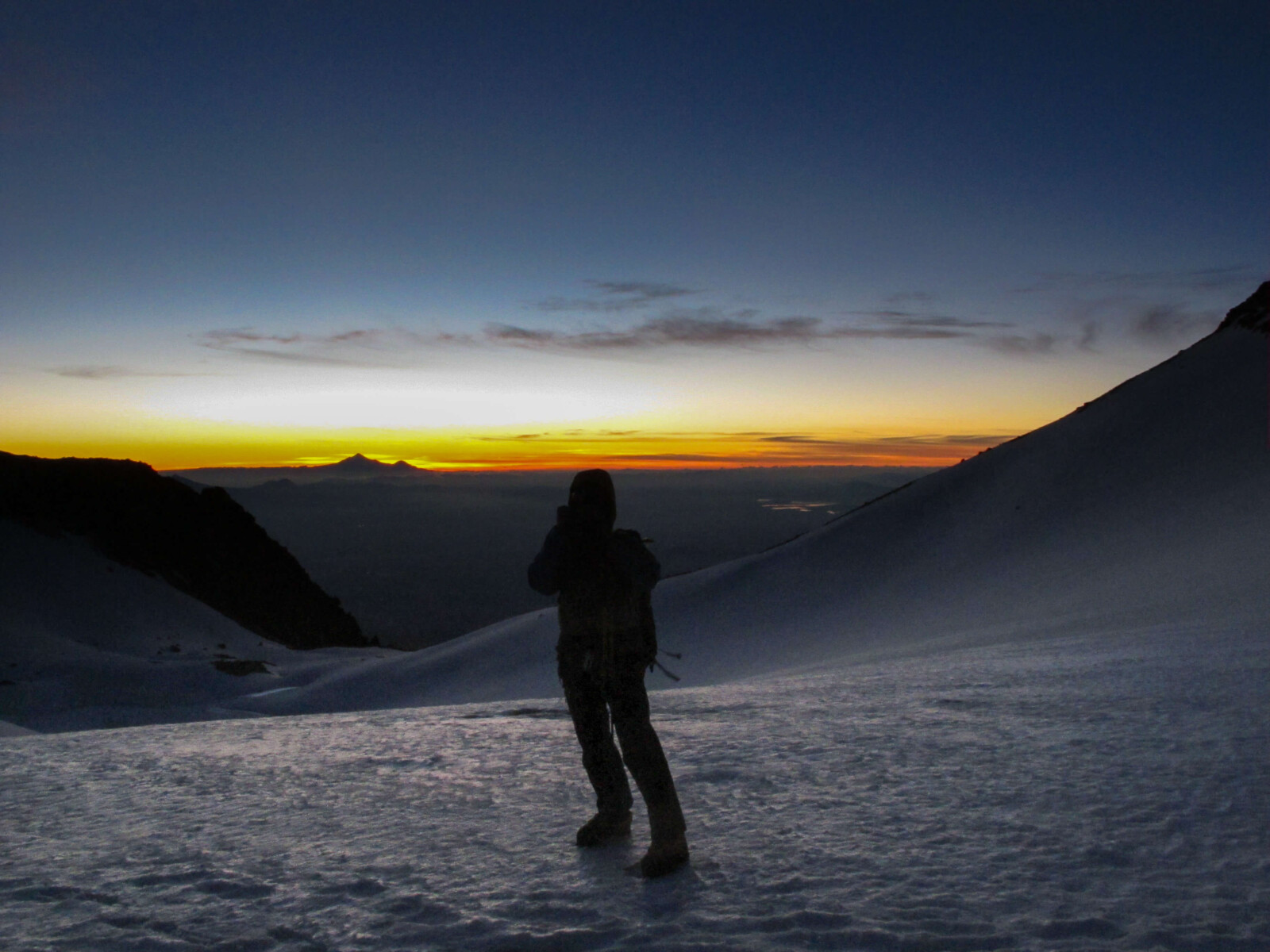
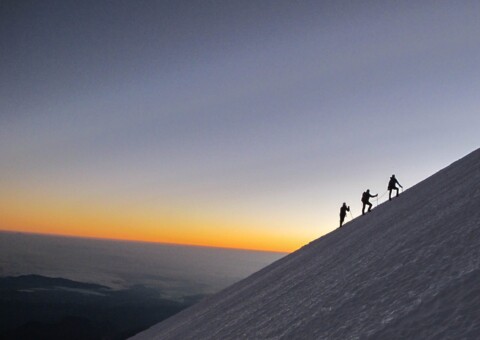
Midnight start. The route climbs through the volcanic Labyrinth section before reaching the Jamapa Glacier above 4,900 m. From the glacier, steady snow slopes — 30 to 45 degrees near the top — lead to the crater rim and the summit of Mexico at 18,491 feet. A long summit day at real altitude. After the descent, drive to Ciudad Serdán.

Overnight: Hostel La Fuente, Ciudad Serdán

Built-in weather reserve day. If the summit was reached on Day 7, we drive to Puebla for a final night at the finest hotel of the trip. If weather prevented a summit attempt, this day can be used for a second attempt.

Overnight: Mesón Sacristía de la Compañía, Puebla

Morning in Puebla. Drive back to Mexico City. Airport transfers and departure from MEX. Departure flights should not leave before 2:00 PM to allow enough time for the drive and airport check-in.

The short answer: yes — if you prepare. The Volcanoes of Mexico Expedition is an intermediate mountaineering program. It does not require prior technical climbing experience. But it is a real expedition — three peaks, nine days, a glacier at 5,636 m — and it will ask something genuine of you.

Fitness

You need solid aerobic fitness. This expedition asks you to climb three peaks across nine days, including a summit day on Orizaba that runs 8 to 10 hours of continuous movement at altitude. A good benchmark: you should be comfortable hiking 5 to 6 hours on steep terrain with a daypack and still feel like you have something left.

Consistent training over several months matters far more than one big push the week before departure. Frequency and aerobic base — hiking, running, cycling, climbing stairs — will serve you better than anything else.

Experience

No technical climbing experience is required. By summit day on Orizaba, your guides will have walked you through everything you need: moving in crampons on snow and ice, using an ice axe for balance and self-arrest, traveling roped on a glacier, and managing your pace and energy over a long push at altitude.

Prior time on a glaciated or high-altitude peak — Rainier, Cotopaxi, Shasta, or similar — gives you a real advantage. If this is your first time on a glacier, strong fitness and a genuine willingness to learn will go a long way.

What Is Actually Hard

The summit push on Orizaba. We move in the dark, before dawn, in cold temperatures that can reach -18°C with wind chill. You will be tired. The Labyrinth section below the glacier is rocky and awkward underfoot. The glacier itself is sustained — 30 to 45 degrees near the top.

Altitude. Orizaba sits at 5,636 m / 18,491 ft. The acclimatization structure — La Malinche, then Sierra Negra, then two nights at Piedra Grande — is deliberate and it works. But arriving depleted, dehydrated, or under-rested reduces your margin significantly.

Weather uncertainty. Summit windows can be short and unpredictable. Some teams wait. Some turn around. Day 8 is built in as a reserve. Weather patience is part of the expedition.

Who This Is Right For

  • Climbers preparing for bigger objectives — Aconcagua, Denali, peaks in the Andes or Himalaya
  • Fit, motivated individuals looking for their first real glacier and high-altitude experience
  • Experienced hikers ready to step up to technical mountaineering terrain
  • Anyone who wants to climb in a serious, coached environment with small teams and high guide ratios

Harder than a trek, more accessible than a full technical expedition. You will be on a glacier, in the dark, above 5,000 m, in temperatures that can drop to -18°C. That is real mountaineering. But the Jamapa Glacier route does not require prior technical climbing — what it requires is solid fitness, good acclimatization, and the ability to follow your guide’s lead. Most climbers who arrive prepared reach the summit.

Because going straight to Orizaba doesn’t work. La Malinche at 4,461 m and Sierra Negra at 4,680 m are not warm-ups — they are your acclimatization. Your body needs time to adapt to altitude, and that adaptation cannot be rushed or faked. The three-peak structure is what makes the Orizaba summit possible.

Altitude affects everyone differently. The structure of this expedition — gradual progression from Mexico City to La Malinche to Sierra Negra to Piedra Grande — gives your body the time it needs. Mild symptoms like headache or disrupted sleep are common and manageable. We monitor every climber throughout the trip.

Plan for 8 to 10 hours for most climbers. We start before dawn, move through the rocky Labyrinth section below the glacier, rope up on the Jamapa above 4,900 m, and climb sustained 30 to 45 degree slopes to the crater rim at 5,636 m. The descent takes several hours. It is a full day.

We watch conditions closely. If the weather is not safe for a summit attempt, we do not go. Your guide makes that call — not a schedule. Day 8 is built into the program as a weather reserve.

Yes. Most people on our trips arrive solo. You will be climbing with a small team of up to 6 climbers. Solo travelers are welcome and well taken care of.

Yes. Private expeditions are available on your dates, for your group. If you want Willie or Damian personally leading, a private departure is how that works. Contact climbing@benegasbrothers.com for pricing and availability.

A deposit of 20% ($900) is required, of which 10% ($450) is a non-refundable booking fee. Refund schedule: 121+ days: full refund less $450 booking fee; 91–120 days: 50% of payments beyond the booking fee; 61–90 days: 25%; 60 days or less: no refund. All cancellations must be submitted in writing.

Documentation & Insurance

Required Documentation

  • Trip Application & Medical History Form — experience background, medical history, current medications. Be thorough and honest.
  • Liability Waiver — standard mountaineering liability waiver acknowledging inherent risks. Required before departure.
  • Emergency Contact Information — at least one contact with name, relationship, and phone number.
  • Passport Copy — valid for at least 6 months beyond your return date. Keep a digital copy in email.

Entry Requirements — Mexico

US, Canadian, and most European citizens do not require a visa to enter Mexico as tourists. You receive a free FMM tourist permit on arrival. Keep your entry documentation for the duration of your stay — you may need it at departure. Standard international customs apply; mountaineering equipment is classified as personal sporting equipment and permitted without special declaration.

Medical Evacuation Coverage — Required

All participants must carry medical evacuation coverage. Your policy must cover emergency evacuation from remote mountain terrain up to 5,636 m / 18,491 ft, helicopter evacuation where applicable, and high-altitude mountaineering activities. Standard travel policies often exclude this — read the fine print carefully.

We recommend Ripcord Rescue Travel or Global Rescue — both built for expedition and adventure travel.

Medical Considerations

No vaccinations are required for Mexico entry. Hepatitis A and typhoid vaccines are recommended by most travel medicine clinics. Consult a physician about acetazolamide (Diamox) before departure. Bring all prescription medications in carry-on luggage with adequate supply plus buffer days.

Travel & Planning

Your arrival and departure hub is Mexico City International Airport (MEX — Benito Juárez). Fly into MEX — not NLU (the second Mexico City airport). MEX is better connected, closer to the city, and easier to navigate on arrival.

Arrival & Departure Timing

  • Arrive Day 1 by early to mid-afternoon — team orientation is at 5:00 PM
  • A buffer day arriving the day before is strongly recommended
  • Departure flights must not leave before 2:00 PM on Day 9 — the drive from Puebla to MEX takes approximately 2 hours

Baggage & Gear

Crampons and ice axes must be checked — pack in a hard-sided case or securely inside your checked bag. Extra checked bags typically run $30–$75 USD depending on airline and route. Place an Apple AirTag inside each checked bag — your mountaineering kit is time-sensitive and misrouted bags at hub airports are a real risk.

In-Country Logistics

All ground transportation throughout the program is managed by BBE in private vehicles. Full route: MEX → Mexico City → La Malinche base → Hacienda Soltopec → Ciudad Serdán → Piedra Grande → Ciudad Serdán → Puebla → MEX.

Hotels & Lodging

Mexico City — Day 1  ·  Four Points by Sheraton, Colonia Roma

Located in the Roma neighborhood — one of Mexico City’s most walkable, well-served districts. Close to great restaurants, coffee shops, and easy transit. This is where the team meets for orientation on Day 1.

La Malinche Base — Day 2  ·  Hacienda Santa Barbara

A historic hacienda at the base of La Malinche — your first night at altitude. Comfortable rooms, meals on-site, and a setting that puts you directly in the mountain environment.

Post-La Malinche — Day 3  ·  Hacienda Soltopec

After summiting La Malinche, the team recovers at Hacienda Soltopec — comfortable lodging, warm meals, and cell service.

Ciudad Serdán — Days 4 & 7  ·  Hostel La Fuente

The gateway town to the Sierra Negra and Orizaba zone. Clean, simple, and well-located. Used on Day 4 before Sierra Negra and again on Day 7 after descending from the Orizaba summit.

Piedra Grande Base Camp — Days 5 & 6  ·  4,267 m / 14,000 ft

We set up our own base camp in tents. This is expedition living — sleeping at real altitude under the mountain, with Orizaba’s glacier visible above you. Bring a warm sleeping bag rated to at least -10°C. No showers. Bring wet wipes, hand sanitizer, and a power bank — no charging at Piedra Grande.

Puebla — Day 8  ·  Mesón Sacristía de la Compañía

Puebla’s most atmospheric boutique hotel, in the historic centro. An intimate property inside a restored colonial building — tiled courtyards, local art, and exceptional food. A fitting final night before the journey home.

Gear & Equipment

A complete, itemized Official Gear List is provided as a separate PDF with your expedition documents. Review it carefully and plan purchases and rentals well in advance.

What BBE Provides

  • Ropes, snow pickets, and ice screws
  • Group rescue equipment
  • Basic first aid kit — carried on all climbing days
  • Harnesses, ice axes, and crampons available for rent through BBE — contact us in advance to confirm availability

Key Personal Gear

  • Footwear: Double plastic or insulated mountaineering boots rated for glacier travel — crampon-compatible, fully broken in before arrival. Most important item on the list.
  • Clothing: Base layer, mid layer, insulated down layer, hardshell jacket and pants — conditions on Orizaba can change fast
  • Gloves: Expedition-weight gloves or mitts plus liner gloves — cold hands on summit day is one of the most common causes of turning back early
  • Sleeping bag: Rated to at least -10°C for Piedra Grande base camp nights
  • Headlamp: Summit day starts at midnight — 300+ lumens with fresh lithium batteries and a spare set
  • Eye protection: Glacier sunglasses with side shields (mandatory above snowline); goggles for summit day wind

Gear Review

Guides conduct a gear check during the Day 1 orientation in Mexico City. Rental requests must be submitted at least three weeks before departure.

Daily Life on the Expedition

Acclimatization & Altitude

The expedition is built around a deliberate acclimatization ladder. La Malinche (4,461 m) is your first real altitude exposure. Sierra Negra (4,680 m) pushes that adaptation further. Piedra Grande (4,267 m) is where you spend two nights before the summit — sleeping here is one of the most important things you can do. Common symptoms above 3,000 m include headache, reduced appetite, and disrupted sleep. These are normal. Severe symptoms — significant unresponsive headache, nausea, vomiting, loss of coordination, or shortness of breath at rest — require immediate guide notification. Hydration is your most important job at altitude. Drink more than you think you need.

Daily Routine

Early starts. Summit days begin before dawn — typically 1:00–3:00 AM — to take advantage of firm snow conditions. Get used to early alarms before you arrive. Camp rhythm at Piedra Grande: dinner by 5:00–6:00 PM, lights out by 8:00 PM the night before the summit.

Food & Water

All meals included throughout the expedition. Hot, nutritious expedition meals at Piedra Grande. Appetite drops above 4,000 m — eat anyway. Bring personal snacks for summit day. Carry at least 2 liters of water in an insulated bottle on summit day to prevent freezing.

Weather & Conditions

The expedition runs during Mexico’s dry season (November–March). Temperatures in Mexico City and at haciendas are comfortable — typically 15–22°C. At Piedra Grande, overnight temperatures regularly drop below freezing. On the Jamapa Glacier above 5,000 m, expect -10°C to -18°C with wind chill on summit day. Wind is the most variable factor — your guide monitors forecasts and makes the go/no-go decision based on current conditions.

Hygiene

No showers above the city hotels. Bring biodegradable wet wipes, hand sanitizer, and a compact hygiene kit. Keeping hands clean is the single most effective way to prevent gastrointestinal illness on an expedition. UV radiation at altitude is severe — apply high-SPF sunscreen to all exposed skin every glacier day.

Local Expenses & Tipping

Cash & Currency

The local currency is the Mexican Peso (MXN). Exchange money before leaving Mexico City and request small denominations. USD is widely understood but pesos are better for daily use. Credit cards (Visa and Mastercard) are accepted at hotels and restaurants in Mexico City and Puebla. Once in the mountains, cash is the only option.

Tipping

  • BBE lead guide (full expedition): $200–$350
  • Mexico City guide and driver: ~$80 USD
  • Support staff: $50–$100

Bring small bills — $1, $5, and $10 notes are far more useful than $50s or $100s. Tips can be given in USD or MXN.

Recommended Budget Beyond Expedition Fee

Plan for $500–$700 USD for personal cash needs: currency exchange, tips, personal drinks and snacks, and a buffer for incidentals. All meals are included, so personal cash needs are modest.

Private & Custom Trips

The scheduled Volcanoes of Mexico Expedition is built for motivated climbers who want a proven structure, small teams, and expert leadership. Private departures take that further: your schedule, your team, your objectives.

Who Private Expeditions Are For

  • Couples and friends — two to four people who want to climb together without joining a larger group
  • Corporate and team groups — meaningful shared challenge with Mexico’s volcanoes, ancient pyramids, colonial haciendas, and world-class food built in
  • Climbers with specific objectives — extended acclimatization, additional peaks (Iztaccíhuatl, Popocatépetl approaches), or preparation for Aconcagua or Denali
  • Climbers who want Willie or Damian personally leading — available on private departures
  • Film, media & corporate programs — Mexico’s volcanic landscapes translate exceptionally well on film; BBE has supported media and production work in remote mountain environments

Contact us at climbing@benegasbrothers.com to start the conversation.

Expedition Cost: $4,500 USD per person

Nine days in Mexico. Real climbing, real altitude, real value.

Price Includes

  • All climbing permits
  • All ground transportation in Mexico including airport transfers
  • Accommodations throughout (Mexico City hotel, haciendas, Piedra Grande base camp, Puebla hotel)
  • All meals from Day 1 dinner through Day 9 morning
  • Group technical climbing equipment
  • Full guide support for the entire expedition

Price Does NOT Include

  • International airfare
  • Personal climbing gear and clothing
  • Travel and evacuation insurance (required)
  • Tips for guides and staff
  • Personal expenses and snacks
  • Equipment rentals (available through BBE)

Personal Budget Estimate

  • International airfare to Mexico City (MEX): $400 – $900
  • Travel & evacuation insurance (required): $150 – $400
  • Tips for guides and staff: $200 – $350
  • Personal cash (meals, snacks, souvenirs): $500 – $700
  • Emergency reserve: $200 – $300

Total beyond expedition fee: ~$1,450 – $2,650

Mexico is one of the most accessible international mountaineering destinations available — the value this expedition delivers across nine days is exceptional.

The expedition season runs mid-November through late February — Mexico’s dry season and the optimal window for stable glacier conditions on Orizaba.

2026 / 2027 Expedition Dates

Teams are capped at 6 climbers with a 2:1 guide ratio. Spaces fill early.

2026 / 2027 Departures

Dec 27, 2026 – Jan 5, 2027  ·  2+ Spaces Available

Jan 9–18, 2027  ·  2+ Spaces Available

2027 / 2028 Departures

Dec 18–26, 2027  ·  Now Booking

Deposit & Payment

A 20% deposit ($900) is required to reserve your spot, of which 10% ($450) is a non-refundable booking fee regardless of when you cancel. Final payment is due 120 days before departure. Payments by ACH, wire transfer, check, or credit card (credit card subject to processing surcharge). All prices in USD.

Cancellation Policy

  • 121+ days before departure: full refund less the $450 non-refundable booking fee
  • 91–120 days: 50% of payments beyond the booking fee refunded
  • 61–90 days: 25% of payments beyond the booking fee refunded
  • 60 days or less: no refund

All cancellations must be submitted in writing. Travel insurance covering trip cancellation and interruption is strongly recommended.

A Note on Expedition Standards

Every aspect of this program reflects how we believe mountain expeditions should be run. We cap every departure at 6 climbers and maintain a 2:1 guide ratio. That level of attention is deliberate. Mexico is not a consolation prize on the way to bigger peaks — it is an extraordinary mountaineering destination in its own right, and this expedition delivers one of the most complete high-altitude experiences available in this format.

Three peaks. One glacier. Nine days. Mexico at its best.

The Volcanoes of Mexico Expedition is one of the best introductions to high-altitude glaciated mountaineering anywhere in the world.

Book Trip
Location:
Mexico
Group:
6 people
Duration:
9 Days
Skill:
Intermediate
Activities:
Mountaineering, expedition, climbing
Dates:

Dec 27, 2026 – Jan 5, 2027

2+ Spaces Available

Jan 9–18, 2027

2+ Spaces Available

Dec 18–26, 2027

Now Booking

(Private or custom dates available upon request.)

Pricing

Pricing is a typical estimate, final quote will be provided after receiving your inquiry.

Three peaks. One glacier. Nine days. Mexico at its best.

The Volcanoes of Mexico Expedition is one of the best introductions to high-altitude glaciated mountaineering anywhere in the world.