Most summit trips give you a peak. This one gives you a foundation. The Benegas Brothers Ecuador Mountaineering School is a full progression program — technical instruction, progressive acclimatization, glacier travel, and multiple major summits built into one of the most efficient mountaineering experiences available anywhere in the world. Ecuador offers the perfect balance of real expedition climbing and clean logistics, making it one of the smartest investments you can make before committing to Aconcagua, Denali, or the greater Himalayan ranges — more at uphillatlete.com for training context.
Three Objectives. One Expedition.
Cayambe — 18,996 ft / 5,790 m · The Core Objective
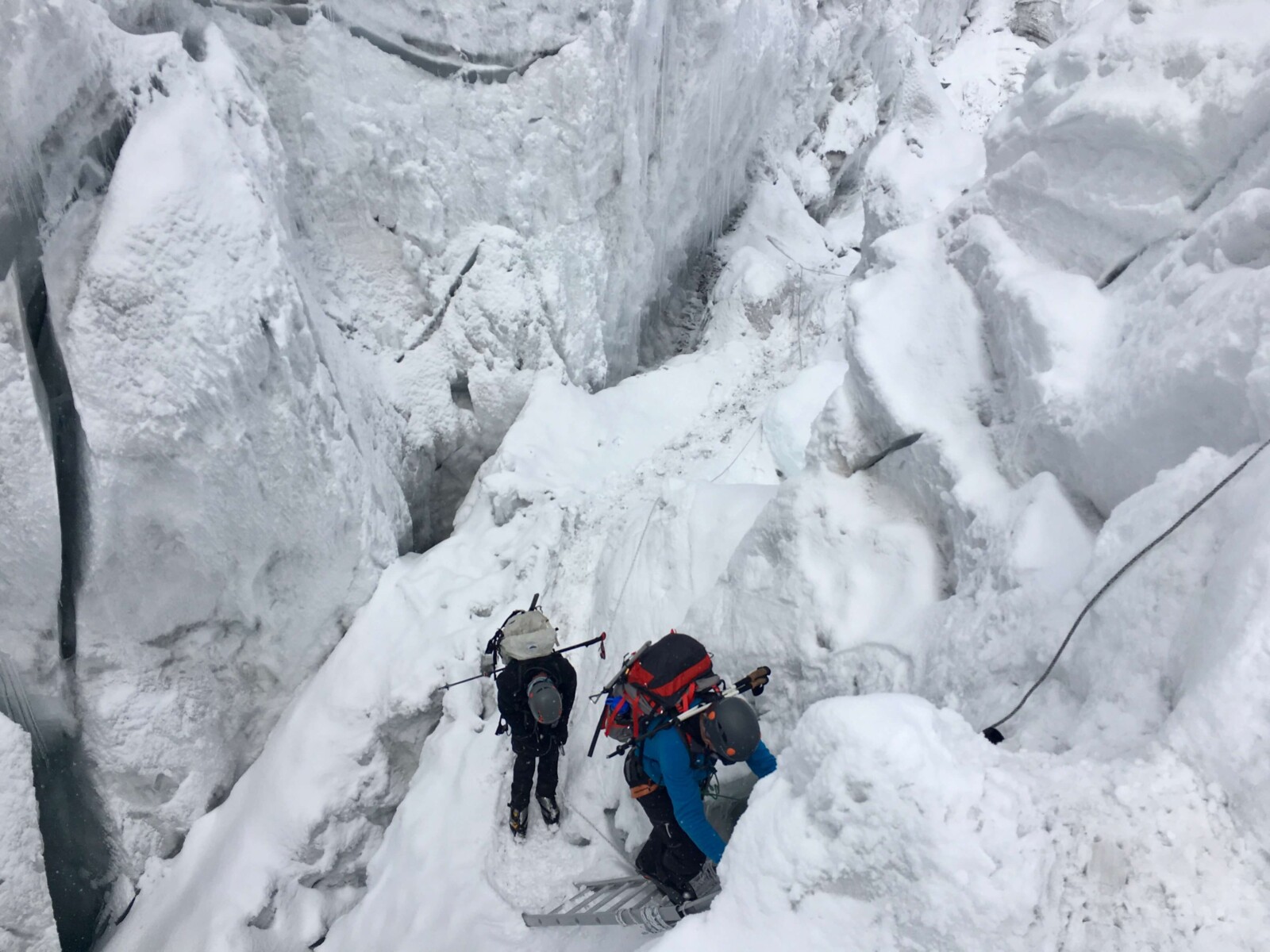
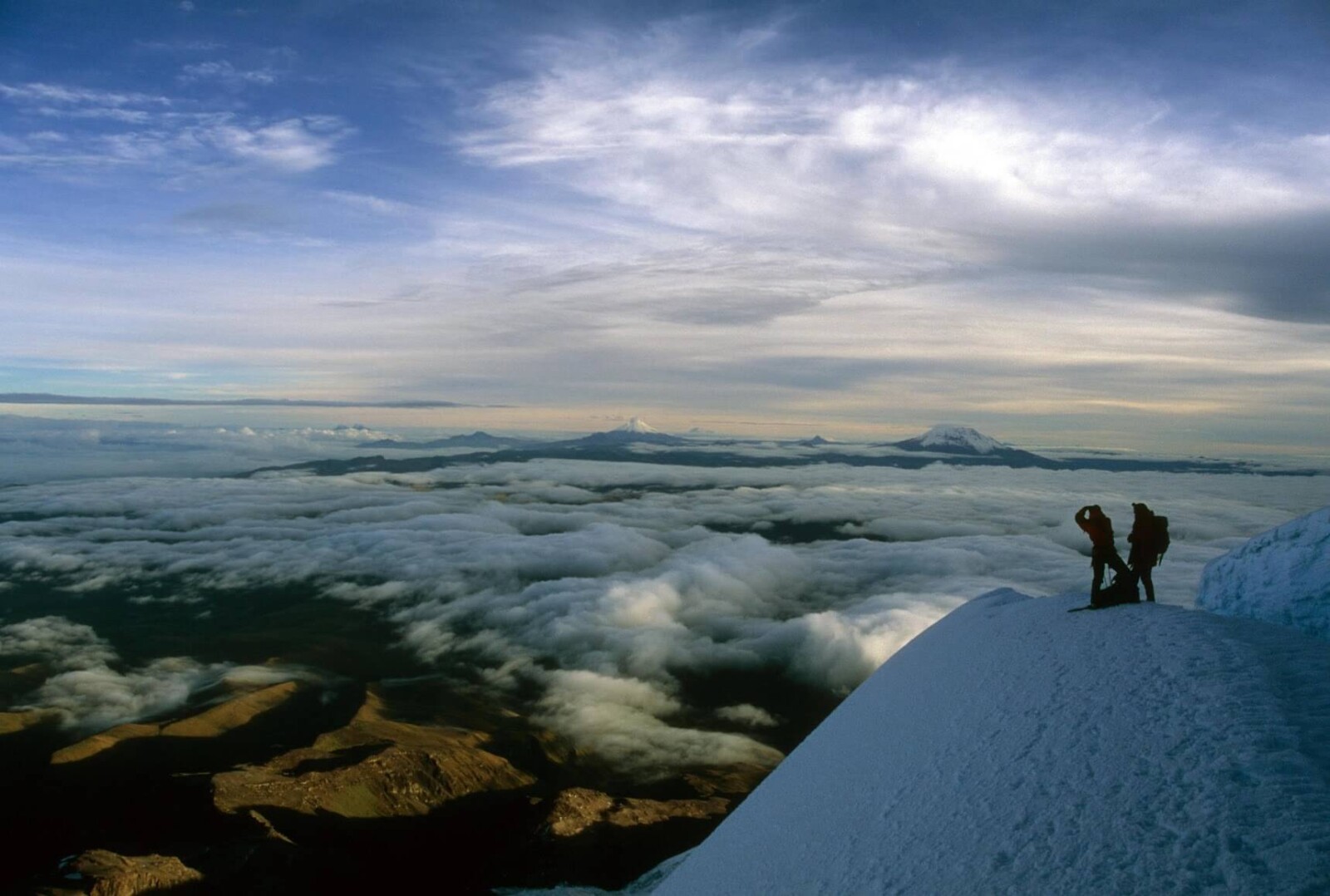
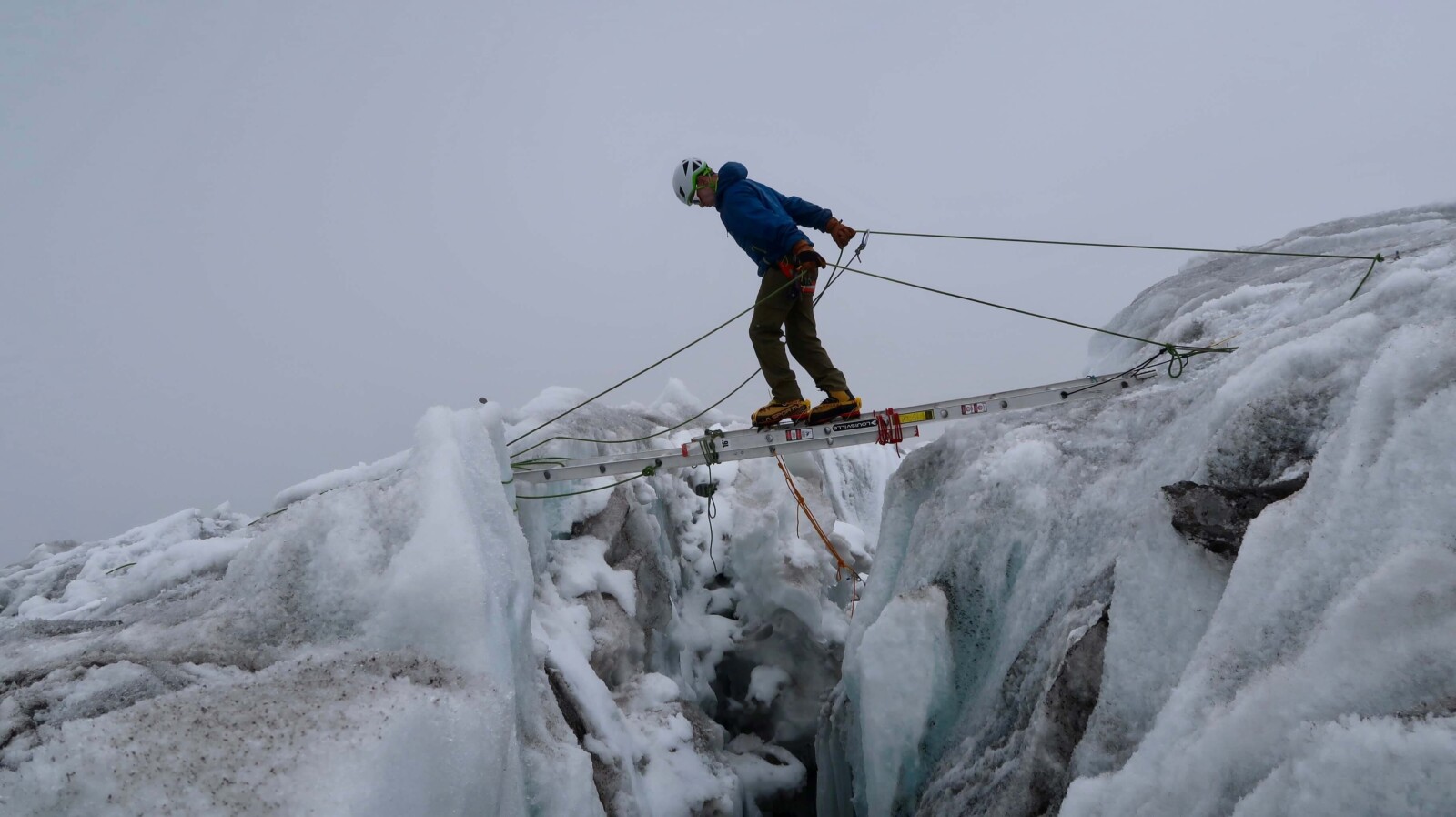
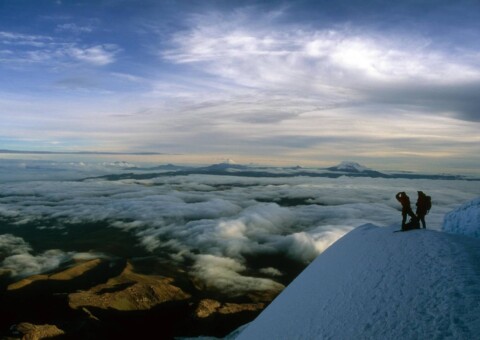
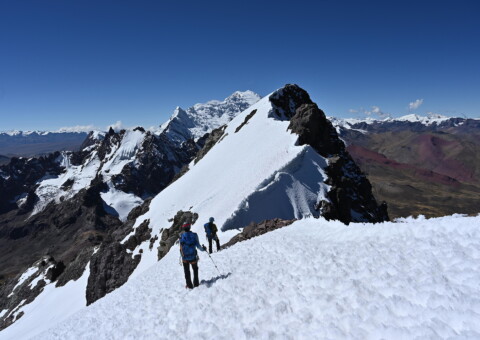
The school is built around Cayambe — one of the finest training peaks in the Andes and the only glaciated mountain sitting directly on the equator. This is not a background climb. It is the technical centerpiece of the program: two full days of glacier instruction followed by a true alpine summit push. Crampon movement, ice axe technique, self-arrest, crevasse awareness, rope-team travel, snow anchors — all of it gets built here, on real terrain. The summit push begins at midnight under headlamp. The sunrise over the Andes from 18,996 feet is the reward.
Cotopaxi — 19,347 ft / 5,897 m · The Performance Climb
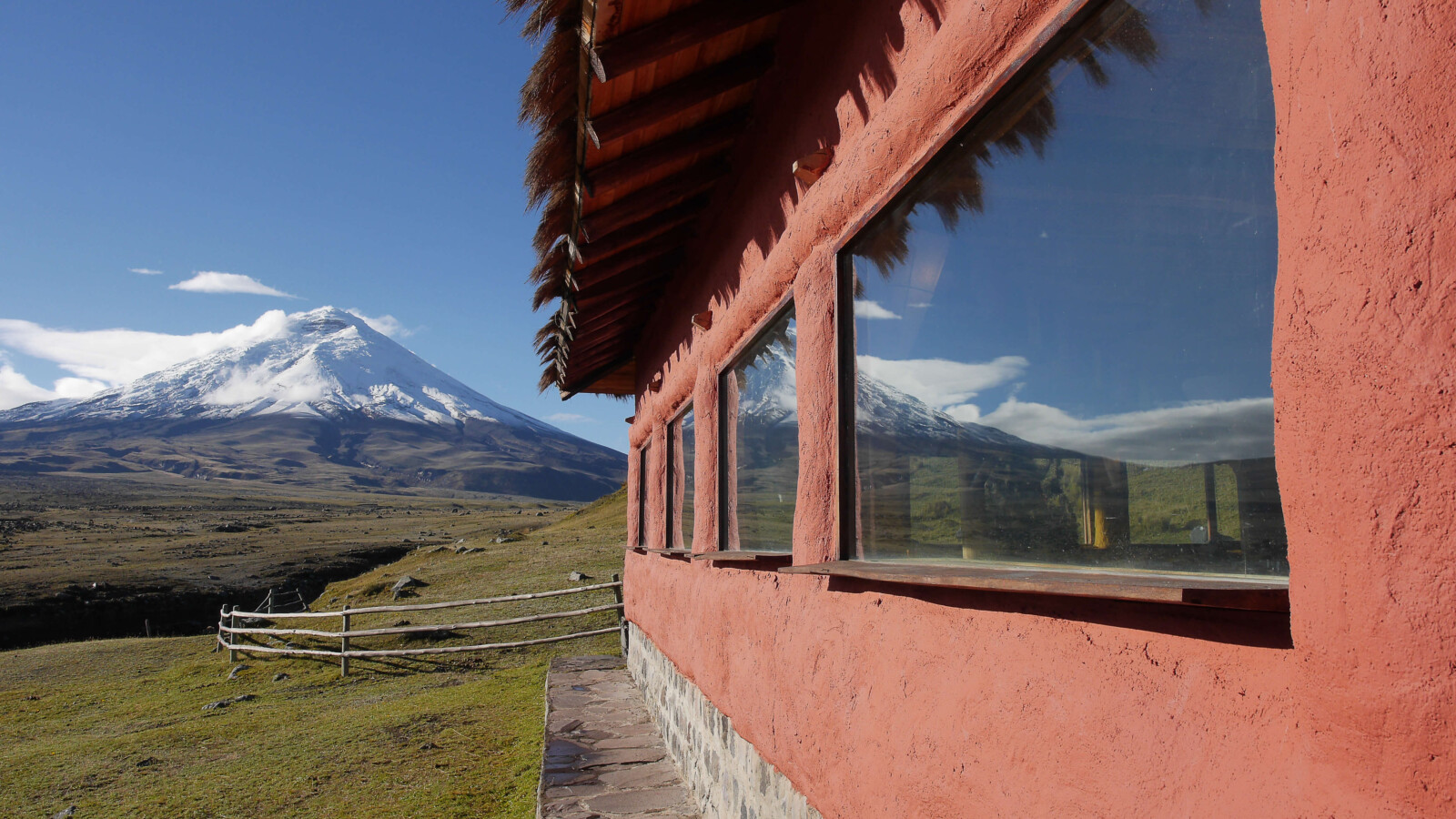
Cotopaxi is one of the most iconic glaciated volcanoes in the world — a perfect cone rising above Cotopaxi National Park, draped in glacier, and deeply serious above 17,000 feet. Everything built on Cayambe gets tested on bigger terrain. The route climbs steadily from the refuge through crevassed glacier to the crater rim at 19,347 feet — one of the great high-altitude ascents in the Americas.
Chimborazo — 20,564 ft / 6,268 m · The Grand Finale
The closer. Chimborazo rises to 20,564 ft and, due to Earth’s equatorial bulge, its summit is the farthest point from the center of the Earth — farther than Everest. The route climbs steep glaciated terrain from El Castillo High Camp through crevasse fields and icy seracs before gaining the upper ridge and the summit. The views stretch across every range climbed in the weeks prior.
Small Teams. No Exceptions.
We intentionally limit group size — not as a selling point, but because it is the only way real coaching works in the mountains. When a team is small, your guide can watch your crampon footwork on steep ice, catch a technique issue before it becomes a problem on the summit ridge, and adjust the pace for where you are that day. Our guide team holds IFMGA certification — the highest internationally recognized standard in the profession — verified at ifmga.info. In Ecuador, our guides also hold the national ASEGUIM certification.
Why Ecuador
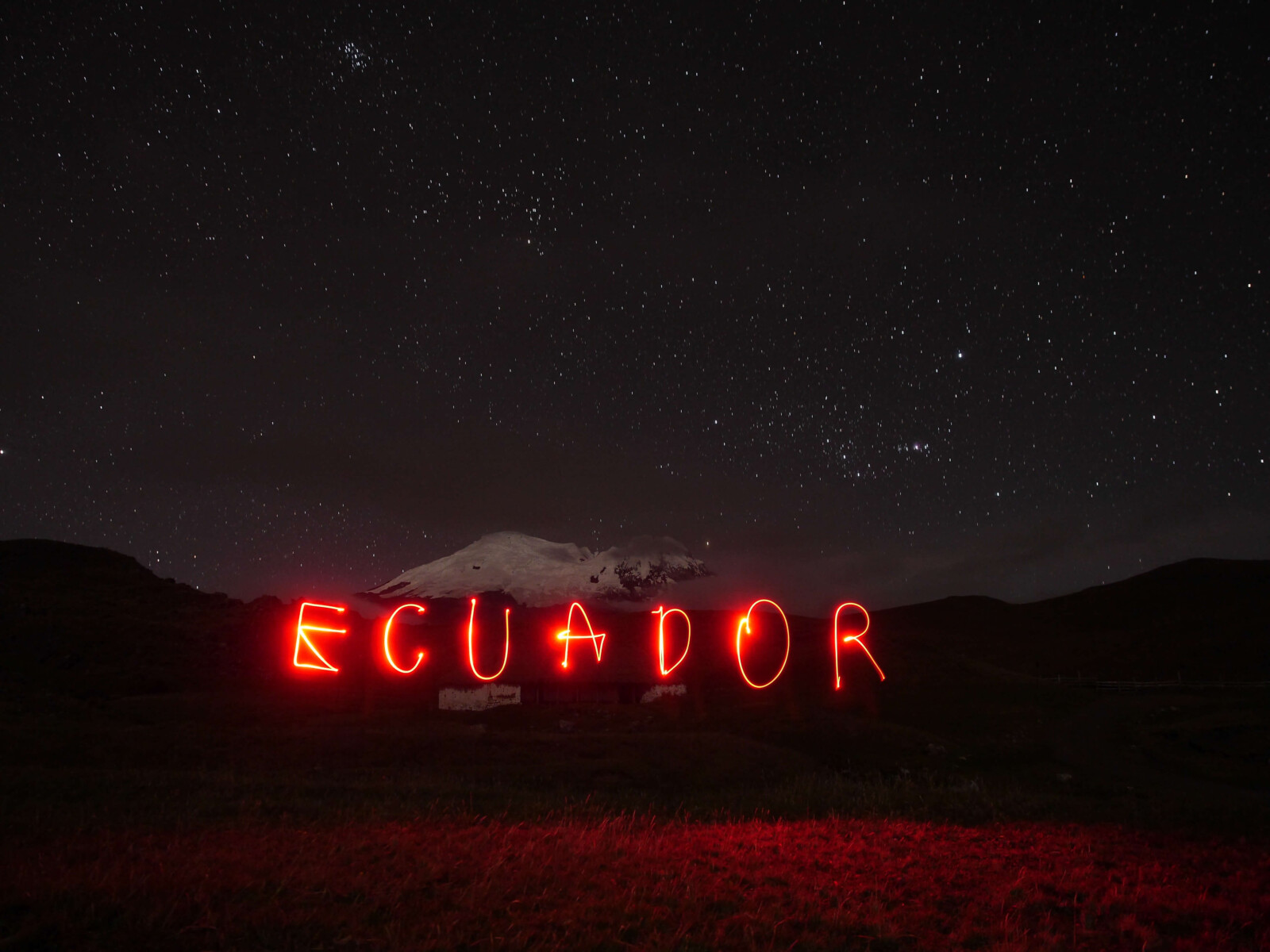
Ecuador makes this kind of program possible. Glaciated volcanoes, mountain huts, serious altitude, and technical terrain — all within short driving distances of each other. You spend your time where it counts: training, climbing, recovering, and building real altitude experience. For North American climbers with eyes on Aconcagua, Denali, or the greater ranges, Ecuador is one of the smartest investments you can make before committing to a longer expedition.
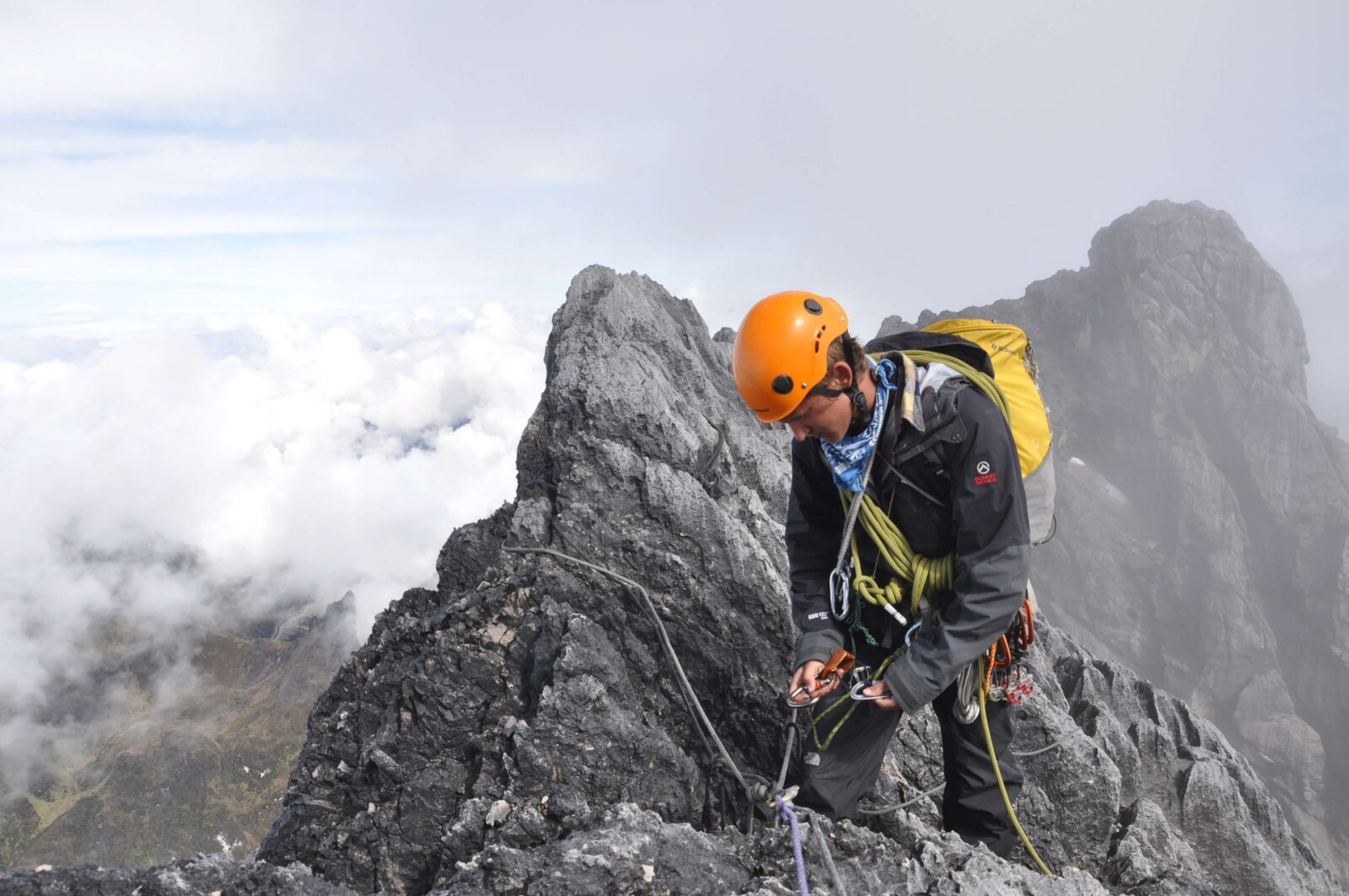
You leave this program with more than summit photographs. Glacier movement, rope-team systems, cold management, expedition nutrition, layering strategy, and mountain decision-making — these skills travel with you to every range you ever climb. A great resource on this training philosophy is the American Alpine Club.
Is This for You?
- First-time international mountaineers ready for real technical terrain and real altitude
- Fit adventurers seeking a climbing school that builds genuine skills — not just summit selfies
- Experienced hikers ready to step up to crampons, ice axes, and roped glacier travel
- Anyone building toward Aconcagua, Denali, or Himalayan objectives
- Climbers who want small-team, personal-attention guiding from IFMGA-certified professionals
See the Is This Trip for Me? section for full fitness and experience requirements.